Japanese55+ names
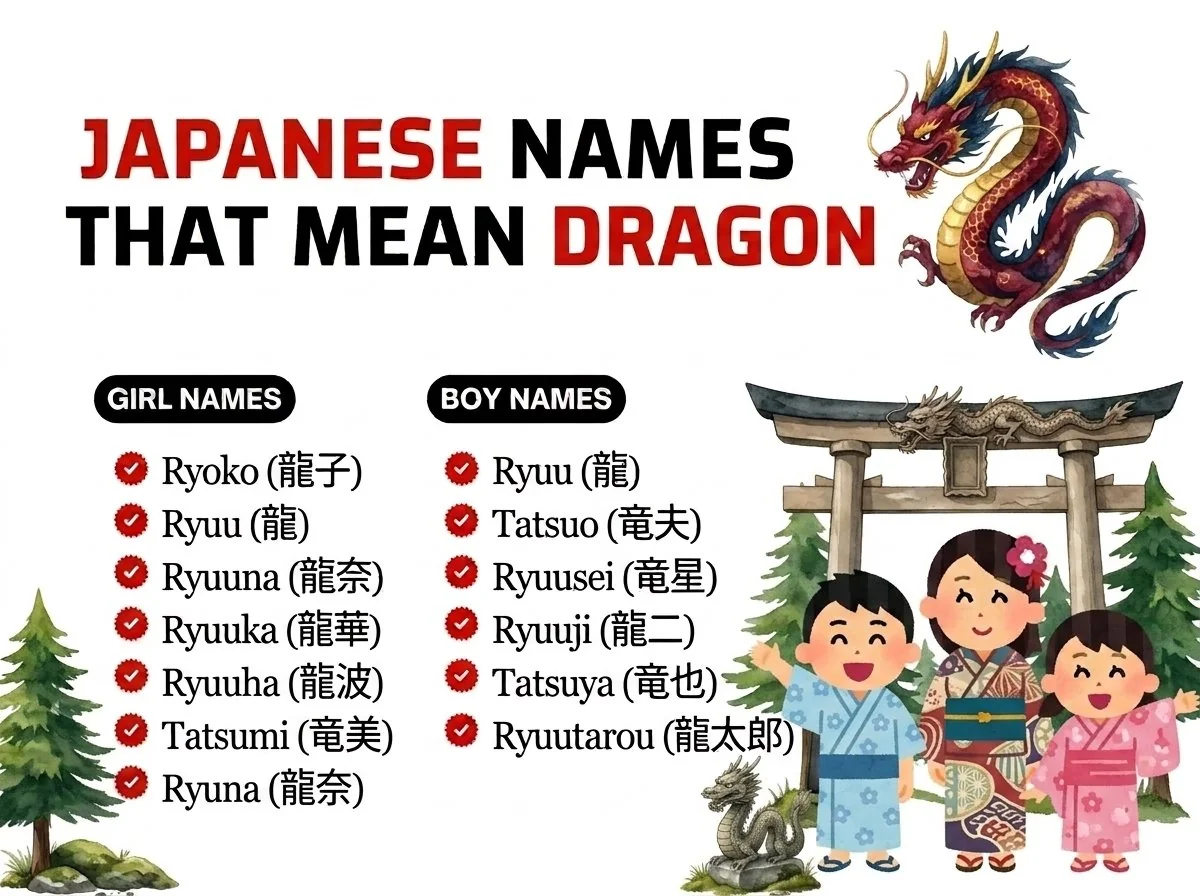
55+ Japanese Names Meaning Dragon (With Meanings)
In Japanese culture, the dragon is nothing like the fire-breathing monster of Western fairy tales.
7 min read
Hand-researched name etymology
Names That Means is your trusted resource for exploring the origin, history, and meaning of names from every culture and language — first names, Japanese names, and the last names your ancestors carried.
Three worlds of names
 01
01First names from every culture decoded — origins, translations, and the hidden stories behind names from around the world.
Browse guides 02
02Japanese names written in kanji and explained properly — readings, characters, and the cultural weight each name carries.
Browse guides 03
03Surnames explained — where your family name comes from, what it originally meant, and the ancestors it describes.
Browse guidesPrefer to start from an idea?
35 guides
Names drawn from fire, water, earth and wind, from weather and seasons, and from the flowers and landscapes that shaped every culture.
26 guides
Names inspired by the sun, moon and stars, by dawn and dusk, and by the passing of time.
20 guides
Names that borrow the courage of the lion, the loyalty of the wolf and the freedom of the bird.
18 guides
Gods and angels, dragons and phoenixes, witches and werewolves: names from the world's myths and legends.
25 guides
Names for shadow, chaos and death, chosen for mystery, gothic style or the strength found in hard experiences.
16 guides
Names that mean blue, gold, green, red, pearl, silver and every shade in between.
25 guides
Names of warriors, heroes, queens and survivors: for families who want a name to grow into.
31 guides
Names for love and happiness, peace and grace, beauty and calm, with a few playful entries along the way.
29 guides
Names for life and destiny, wisdom and truth, journeys and rebirth: the big ideas behind a name.
Fresh from the archive
In Japanese culture, the dragon is nothing like the fire-breathing monster of Western fairy tales.
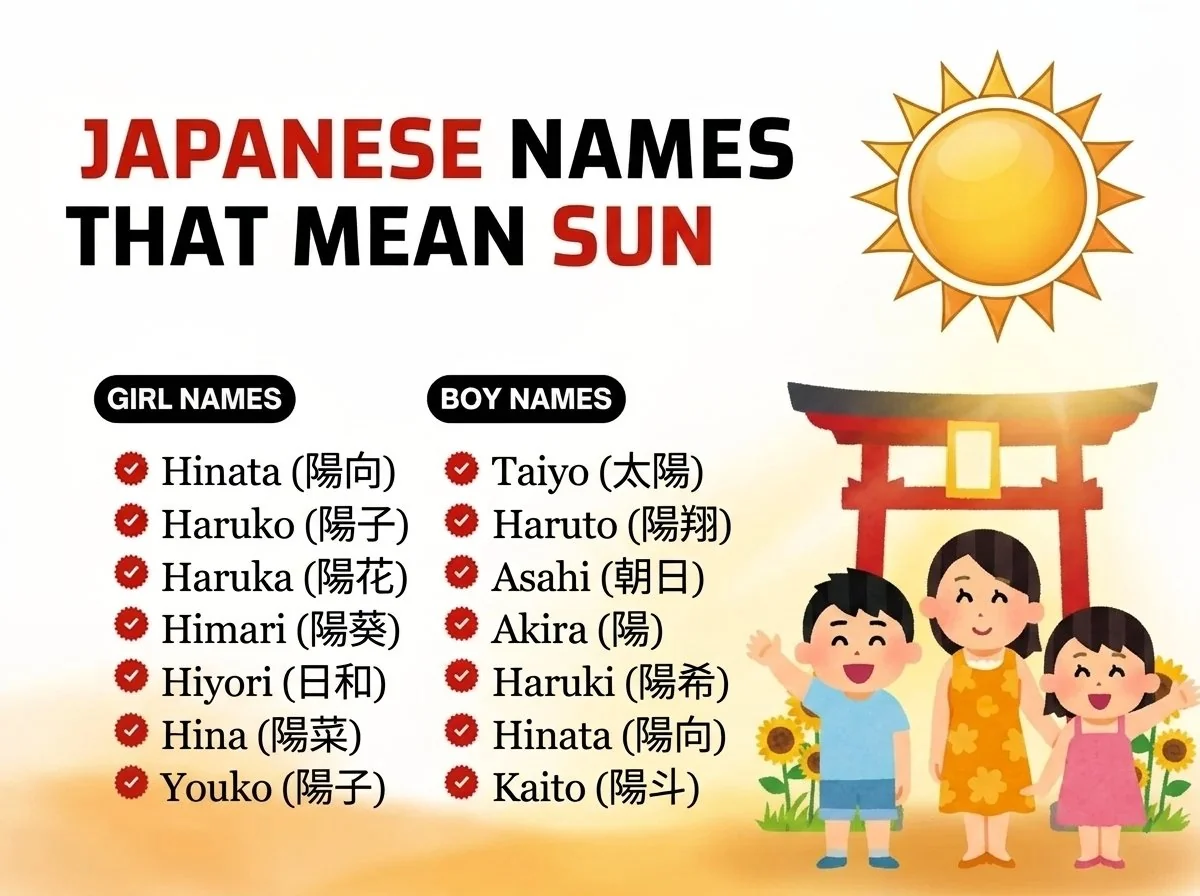
In Japanese naming tradition, the sun carries deep spiritual weight.
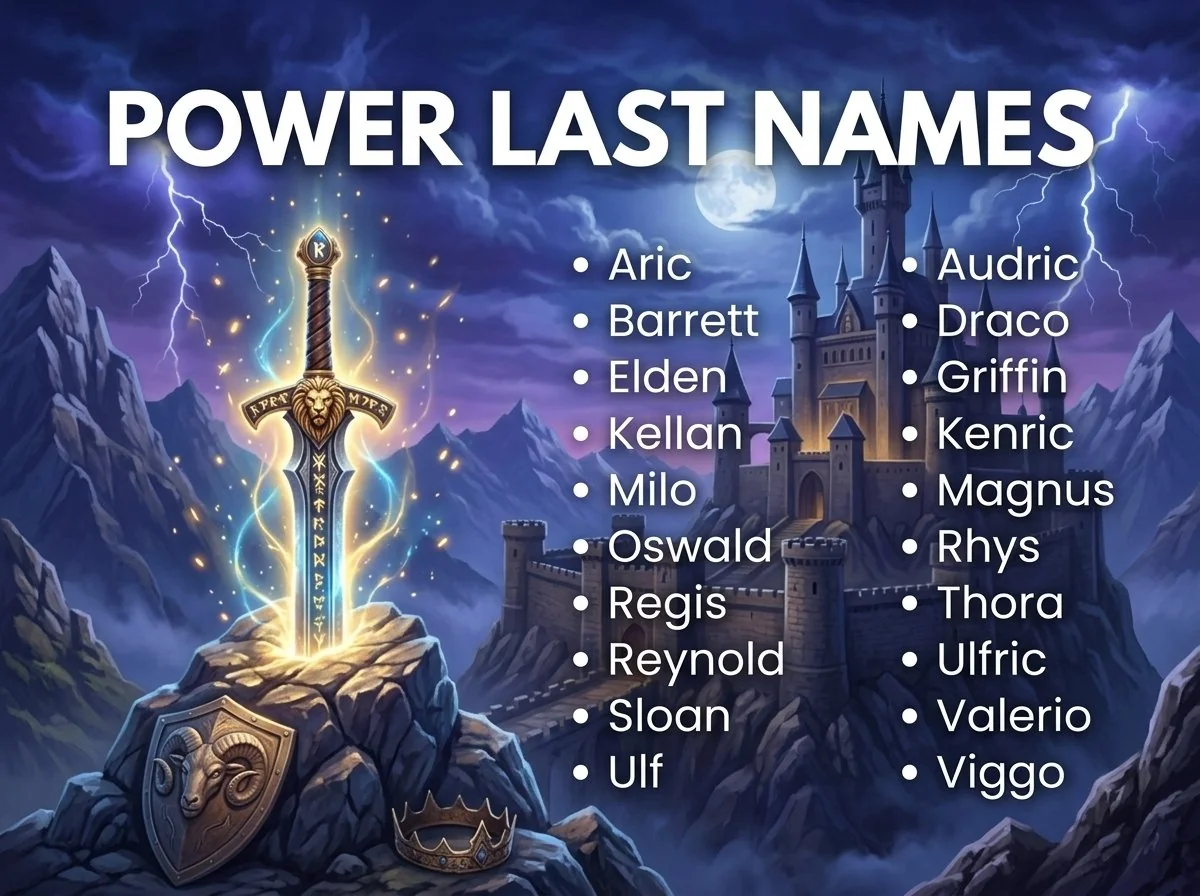
A surname carries the weight of generations. When that name literally means power, it adds a layer of meaning that goes well beyond family history.
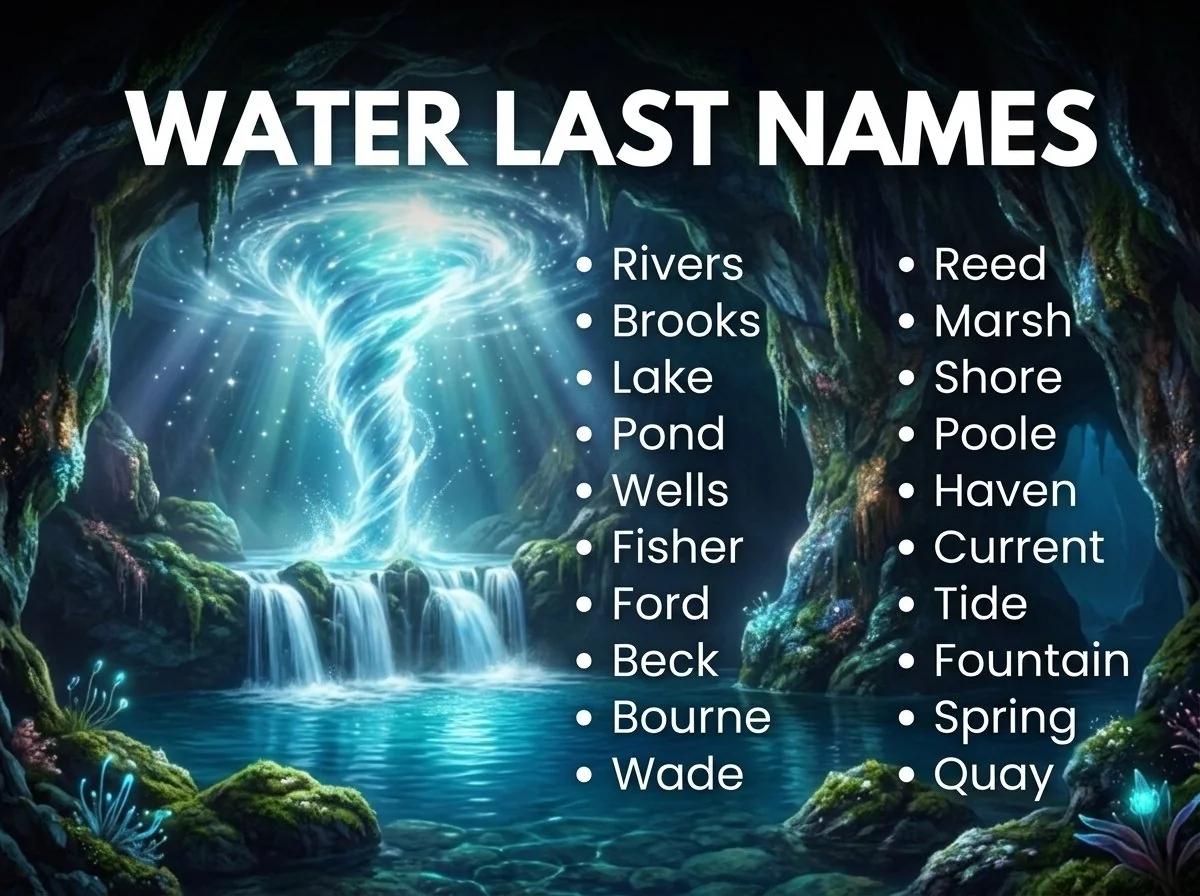
Water shaped where people settled, and that reality is baked into family names across the globe.
Why you can trust our meanings
A name meaning copied wrong is a story told wrong. Every guide at Names That Means passes through a four-step editorial process before it reaches you.
We start where the name started — classical dictionaries, kanji references, parish and census records, royal genealogies.
Every meaning is cross-checked against at least two independent references. Folklore is labeled folklore; facts are labeled facts.
Research becomes readable guides: origins, kanji, one-line meanings, and the cultural story that makes a name stick.
Guides are re-reviewed on a schedule, corrected when readers flag nuance, and stamped with a visible last-updated date.
 E-E-A-T Verified Author
Meet the researcher
Founder & Lead Name Researcher
Hi, I'm Nicholas — a language researcher with a decade-deep interest in etymology and cultural history. At Names That Means, I dive into the origins, meanings, and stories behind names from across the world. My goal is simple: to help you understand what a name truly means — beyond just the dictionary definition.
Curious minds ask
Straight answers before you dive into the guides.
Every name began as an ordinary word — a title, an animal, a place, a hope. Stella meant 'star,' Khan meant 'ruler,' Armstrong meant exactly what it sounds like. Our guides decode hundreds of these words across Latin, Greek, Arabic, Sanskrit, Japanese, Welsh, and more so you can find yours.
Each name is traced to its source language using etymological dictionaries, kanji references, national name registries, and historical records. Meanings are cross-checked, then reviewed by our lead researcher before publication — and every guide carries a last-reviewed date.
Japanese names are written in kanji, and the same sound can be written with different characters — Haru can be 陽 (sun) or 春 (spring). That's why our Japanese guides always show the kanji and explain what each character contributes.
Yes — use our Contact page and choose 'Request a name meaning guide.' Reader requests go straight into our editorial queue and shape upcoming guides.