Names70+ names
70+ Harvest Baby Names Meaning Autumn (With Meanings)
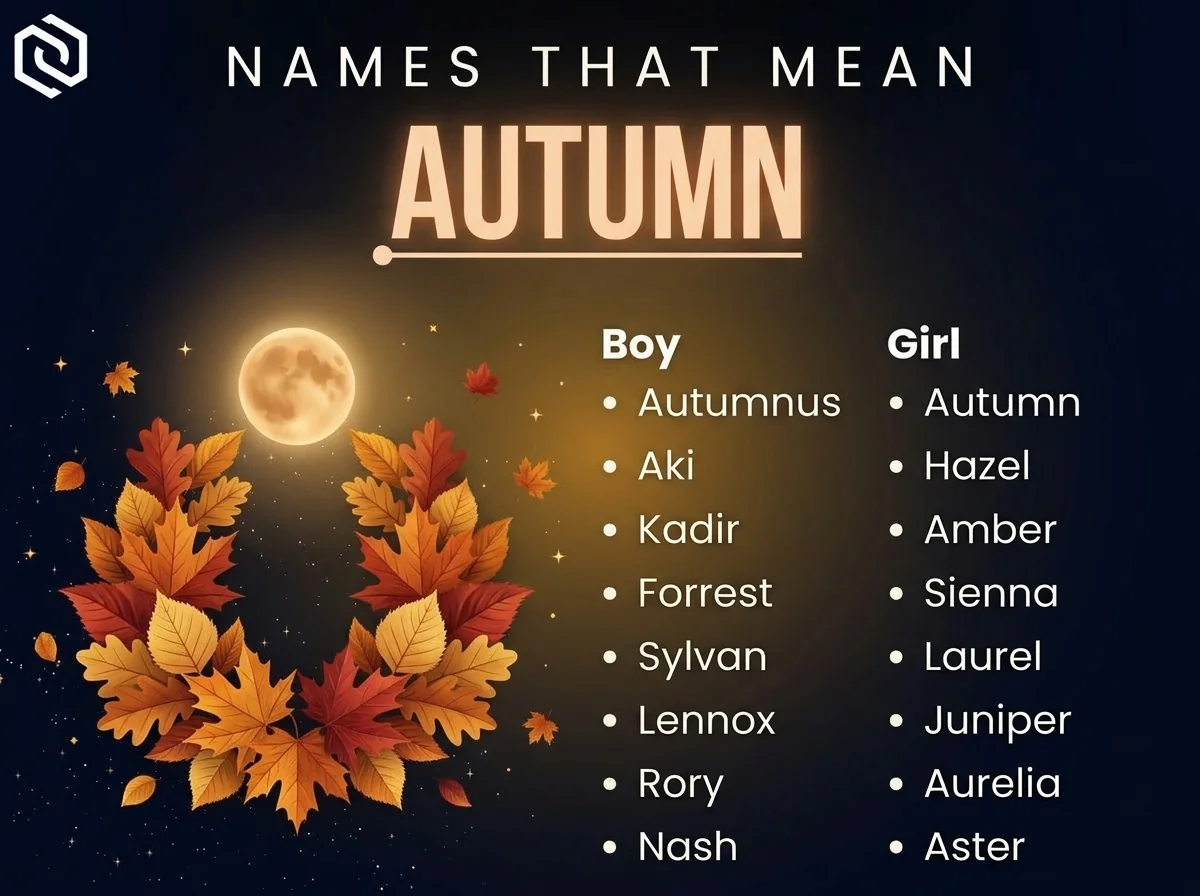
Autumn carries a quiet warmth that few seasons can match. The turning leaves, the cooling air, the sense of gathering before winter settles in.
7 min read
Theme · 35 guides
Names drawn from fire, water, earth and wind, from weather and seasons, and from the flowers and landscapes that shaped every culture.
Nature is the oldest source of names. Long before baby-name books existed, families named children after the rivers they drank from, the flowers that announced spring and the storms they survived. This hub brings together every guide on Names That Means that explores names from the natural world: the elements of fire, water, earth and wind, weather and seasons, landscapes such as forests, mountains and oceans, and the flowers, roses and lotuses that have inspired names for centuries.
What makes nature names so useful is how differently each culture reaches for the same idea. Japanese naming leans heavily on seasonal and botanical imagery, so a single kanji can turn a blossom, a snowfall or a summer breeze into a name; you will see this across our Japanese names guides. Greek and Latin traditions gave English speakers names for winds and for goddesses of flowers, while Sanskrit, Arabic and Celtic naming traditions each carry their own words for rain, rivers and the sea. Because the same meaning appears in so many languages, one guide can place a familiar choice like Rose beside a Japanese option like Hana and an alternative from a third tradition.
Surnames follow the landscape too. Many last names began as descriptions of where a family lived: beside a ford, on a hill or at the edge of a wood. Reading those guides alongside the first-name lists shows how the same words, such as stone, water and field, moved between given names and family names over the centuries.
How to choose a nature name: start with the feeling rather than the object. Fire names tend to sound bold and energetic, water and rain names softer and more flowing, earth and mountain names steady and grounded, and seasonal names are the easiest to tie to a birth month or a family memory. Say the name aloud with your surname, look at how it is written and confirm the meaning with a trusted source, because many nature names carry more than one meaning depending on the language and spelling. Every guide below is laid out the same way, with girl, boy and unisex lists, names by culture, and pronunciation and origin notes where they apply.
Autumn carries a quiet warmth that few seasons can match. The turning leaves, the cooling air, the sense of gathering before winter settles in.
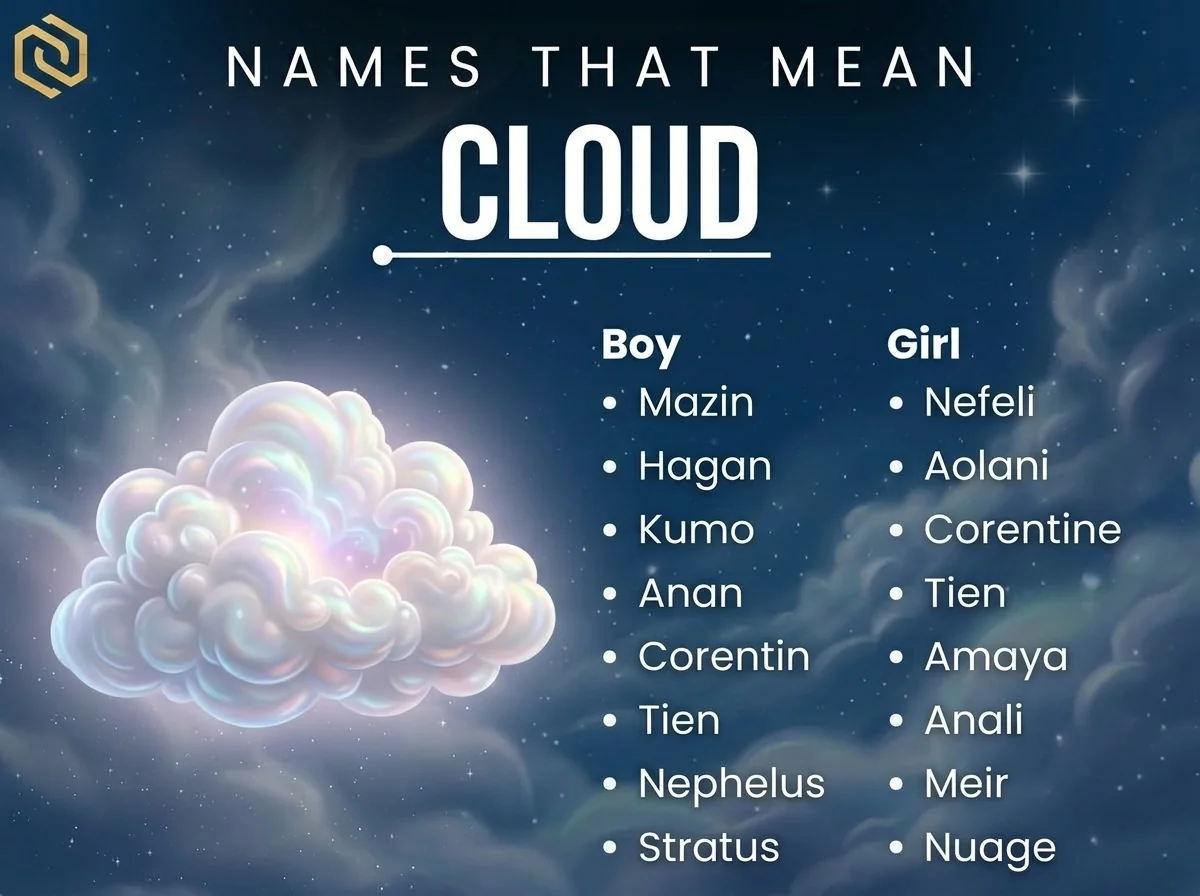
Clouds have always meant more than weather. They carry rain, shelter the earth from scorching sun, and drift between worlds — present but unreachable.
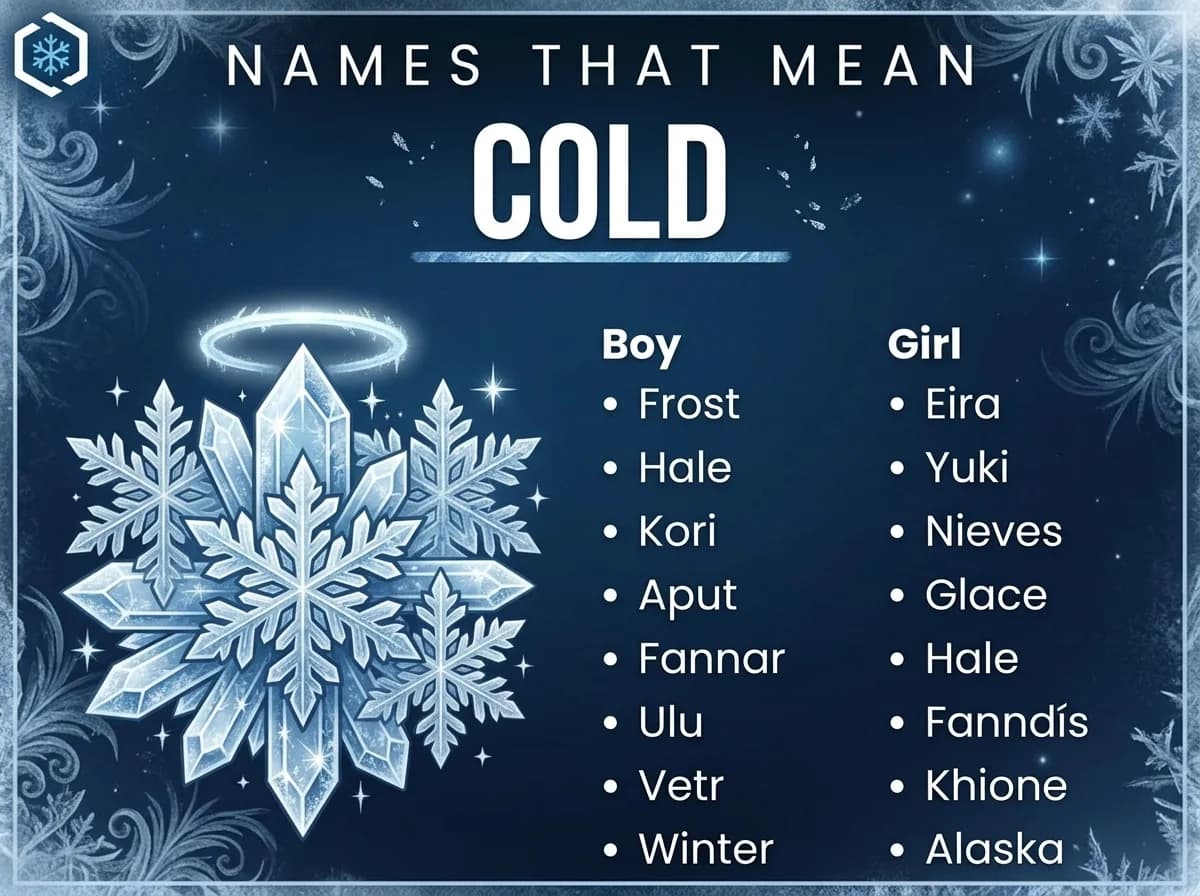
Cold represents clarity, stillness, and the kind of beauty that demands respect.

Fire has always been tied to something primal — passion, courage, transformation, raw energy. A name that means fiery carries all of that.
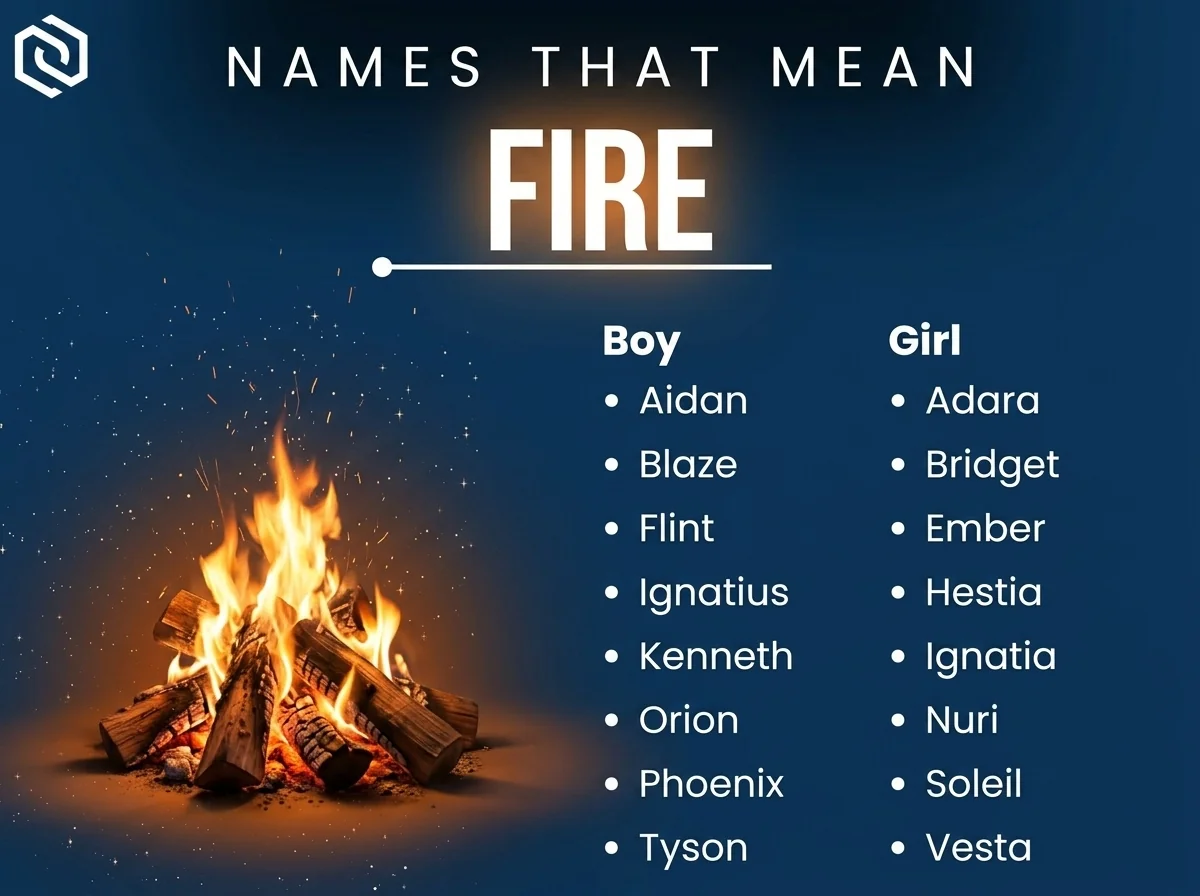
Fire has always held a place in human imagination. It symbolizes transformation, energy, courage, and sometimes destruction.
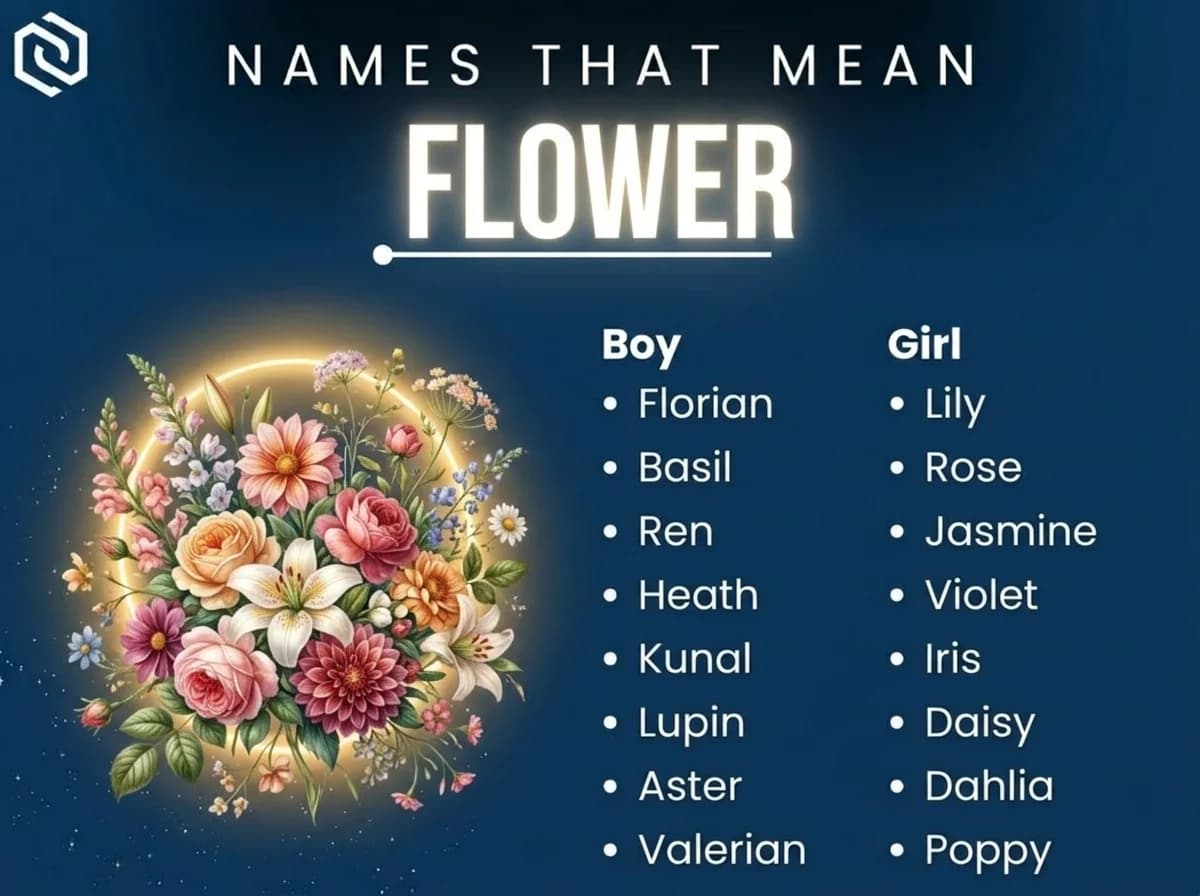
Flowers represent growth, beauty, and the quiet power of something delicate that persists.
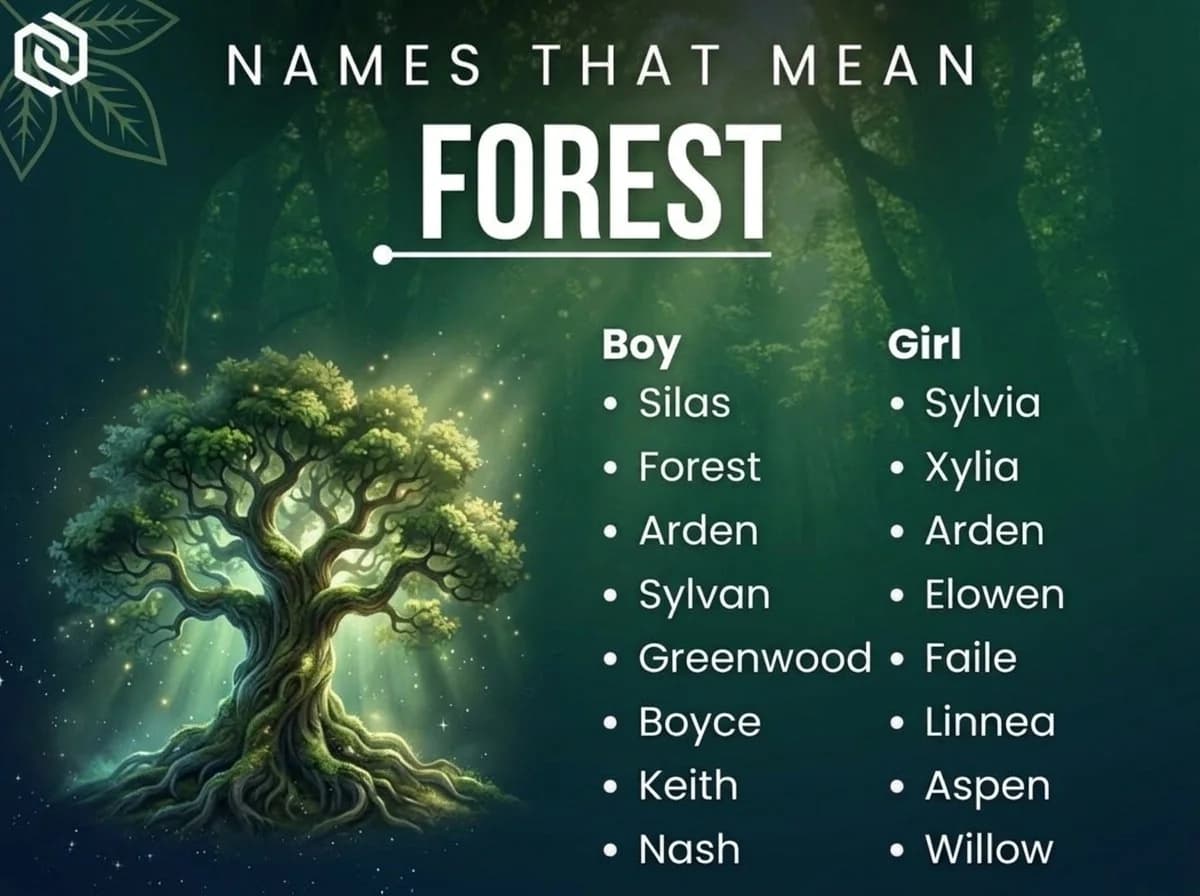
Forests have always held a particular place in human imagination. They represent mystery and protection, growth and shelter.
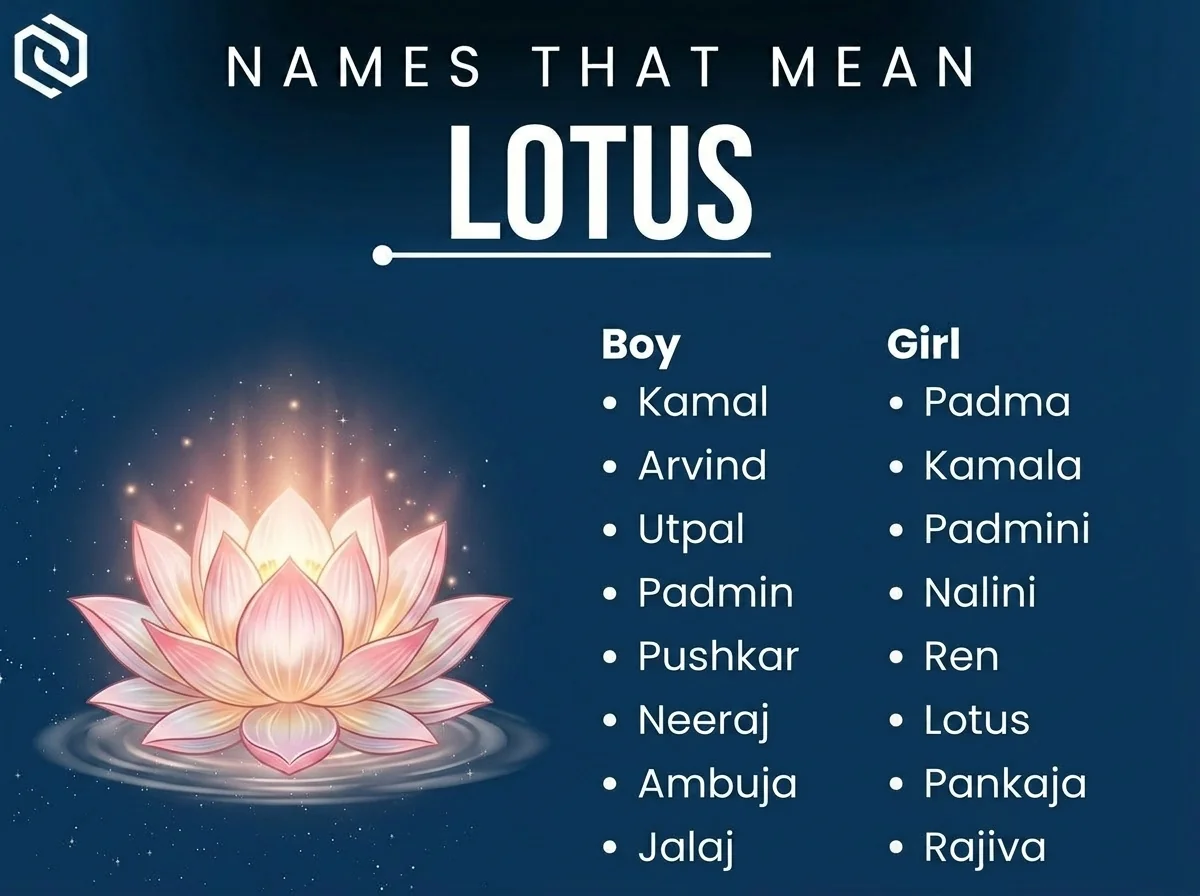
The most recognized names that mean lotus include Padma, Kamala, and Pankaj from Sanskrit, Ren from Japanese, and Lian from Chinese.
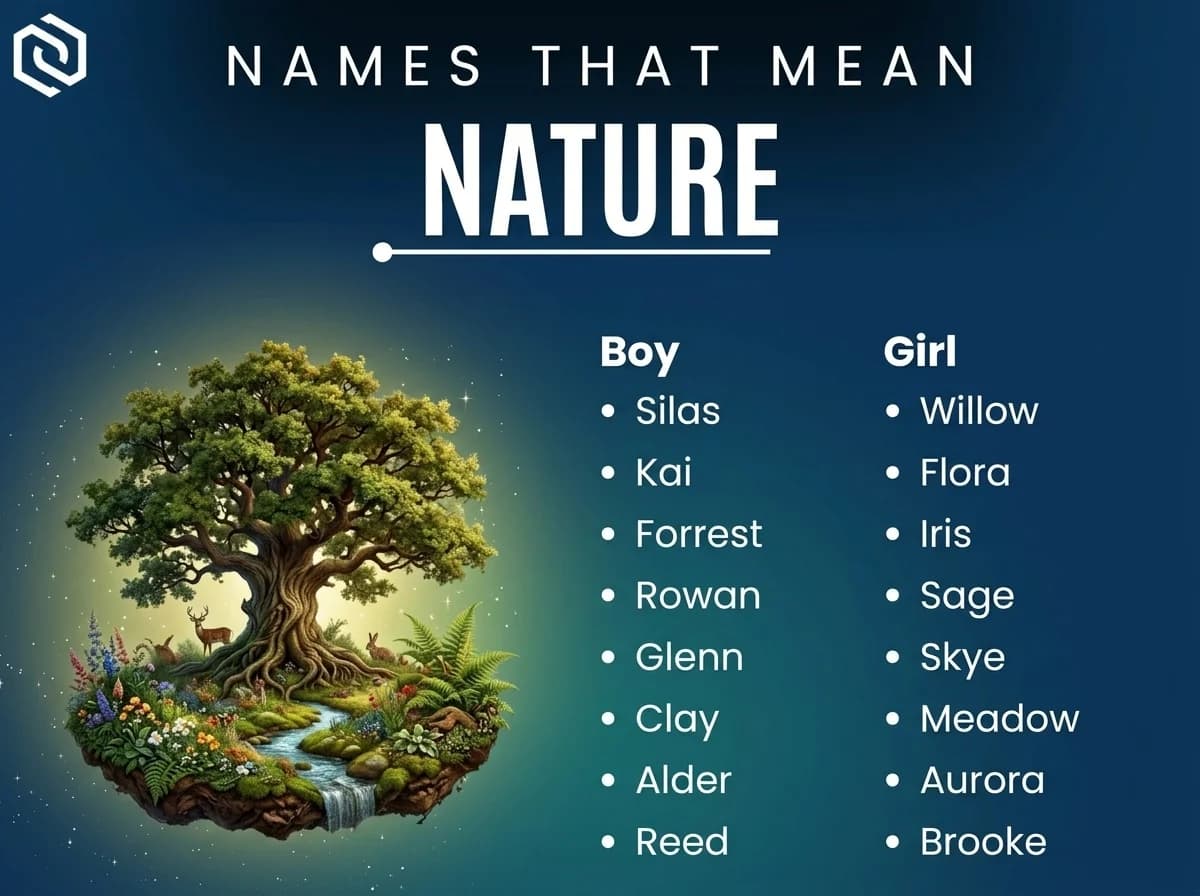
There is something deeply grounding about a name rooted in the natural world.
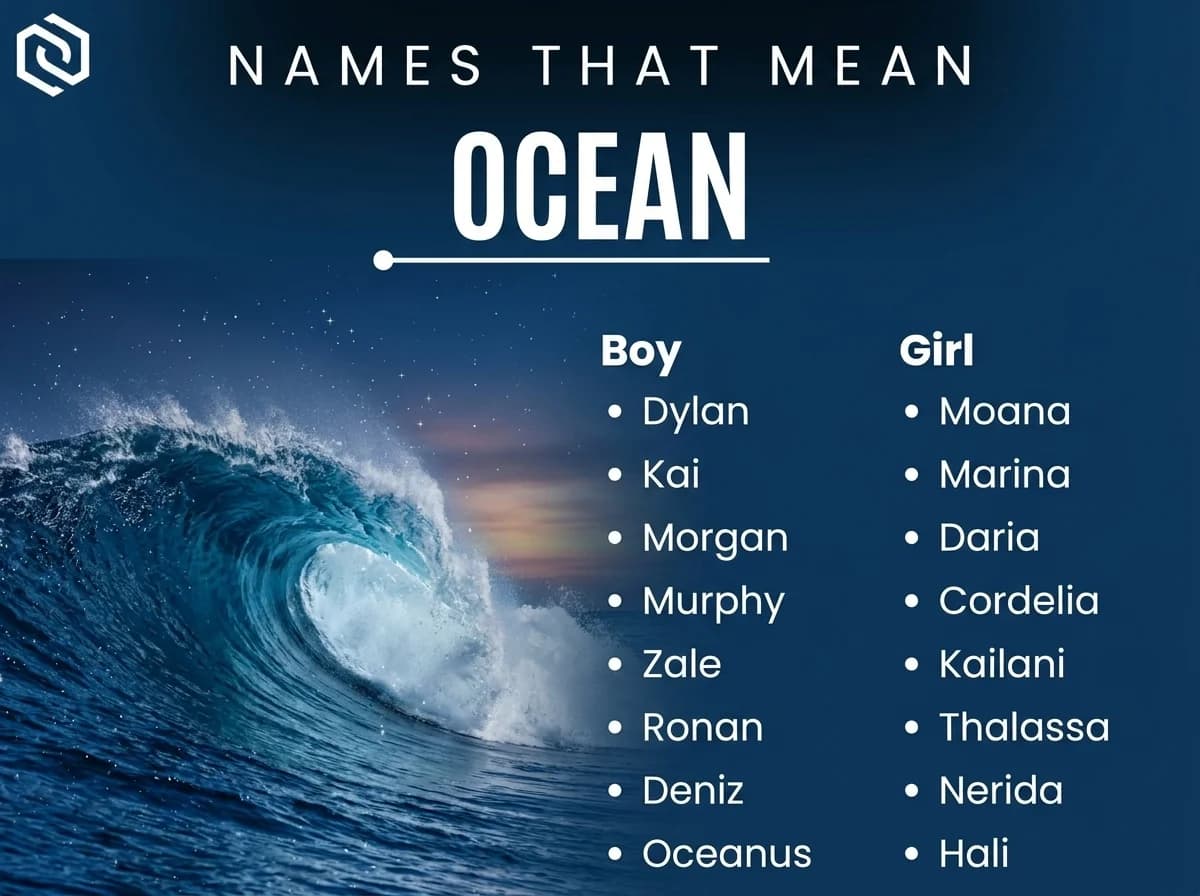
There is something timeless about naming a child after the sea.
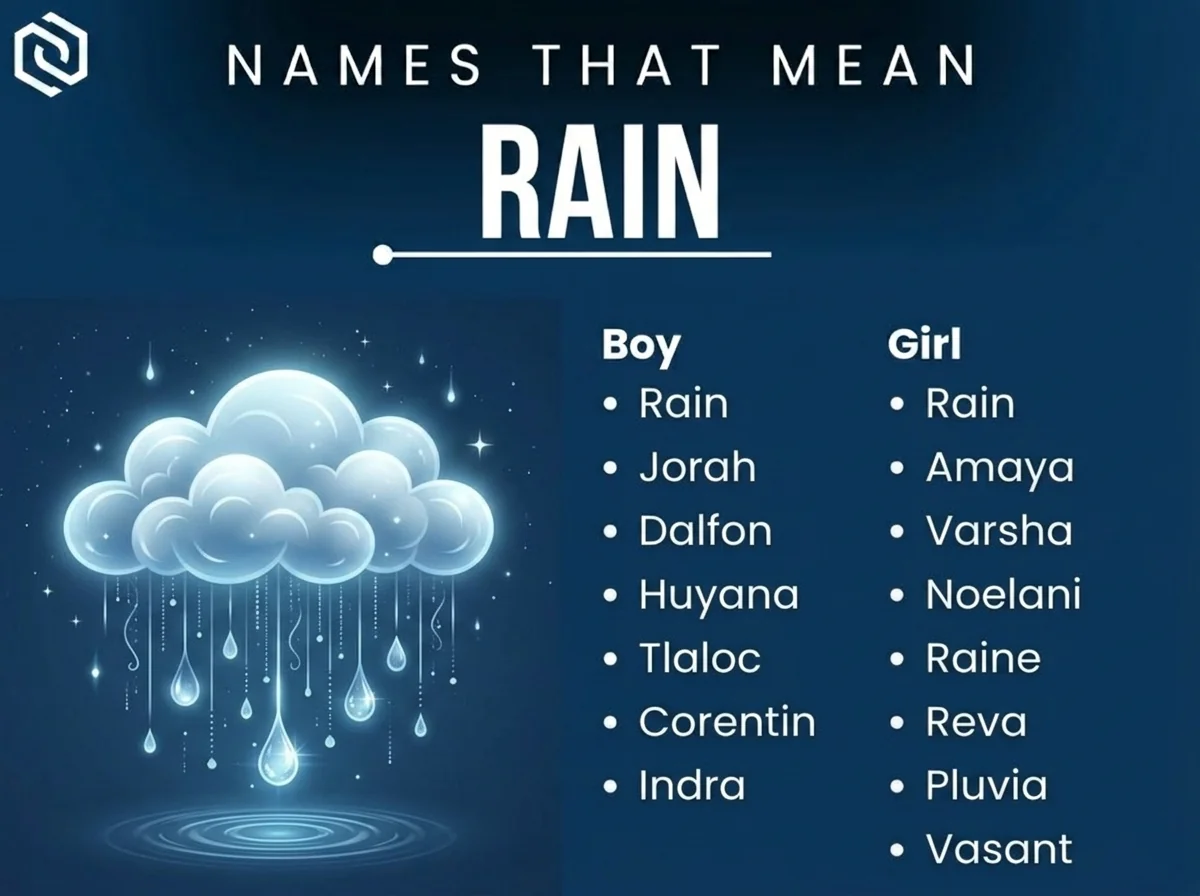
Rain has carried meaning long before it became a naming trend. In nearly every ancient culture, rainfall wasn't just weather. It was life.
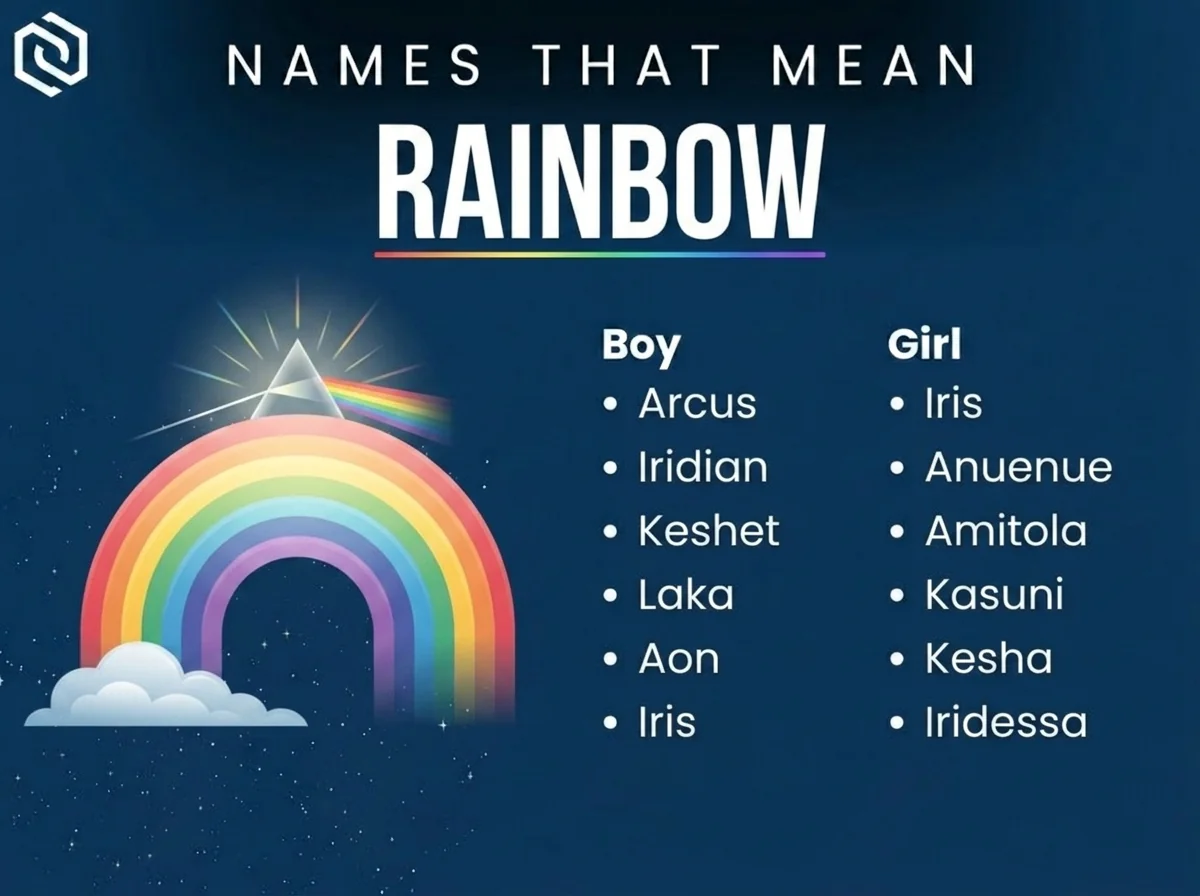
Some of the strongest names that genuinely mean rainbow include Iris (Greek), Indra (Sanskrit-linked, associated with the rainbow deity), Ayo (Yoruba, "joy"…
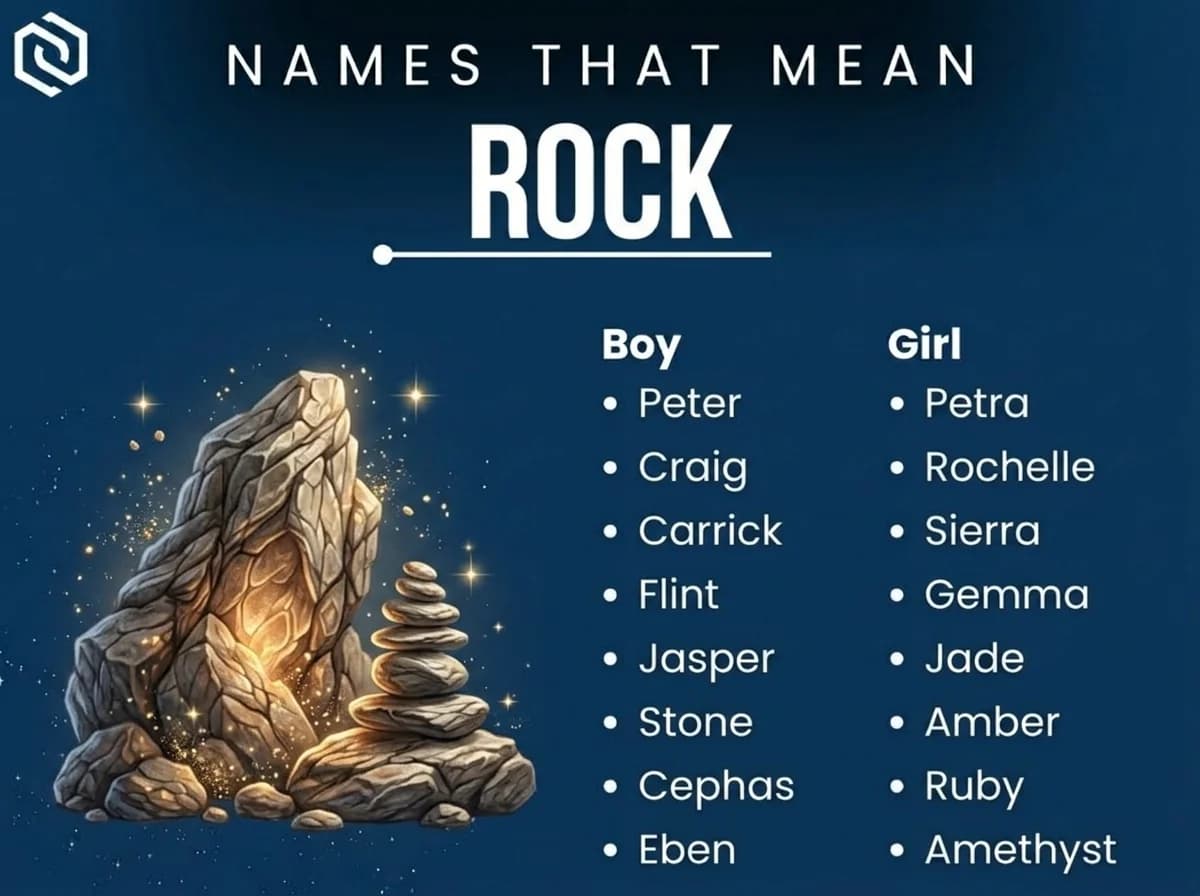
There is something deeply human about naming a child after stone.
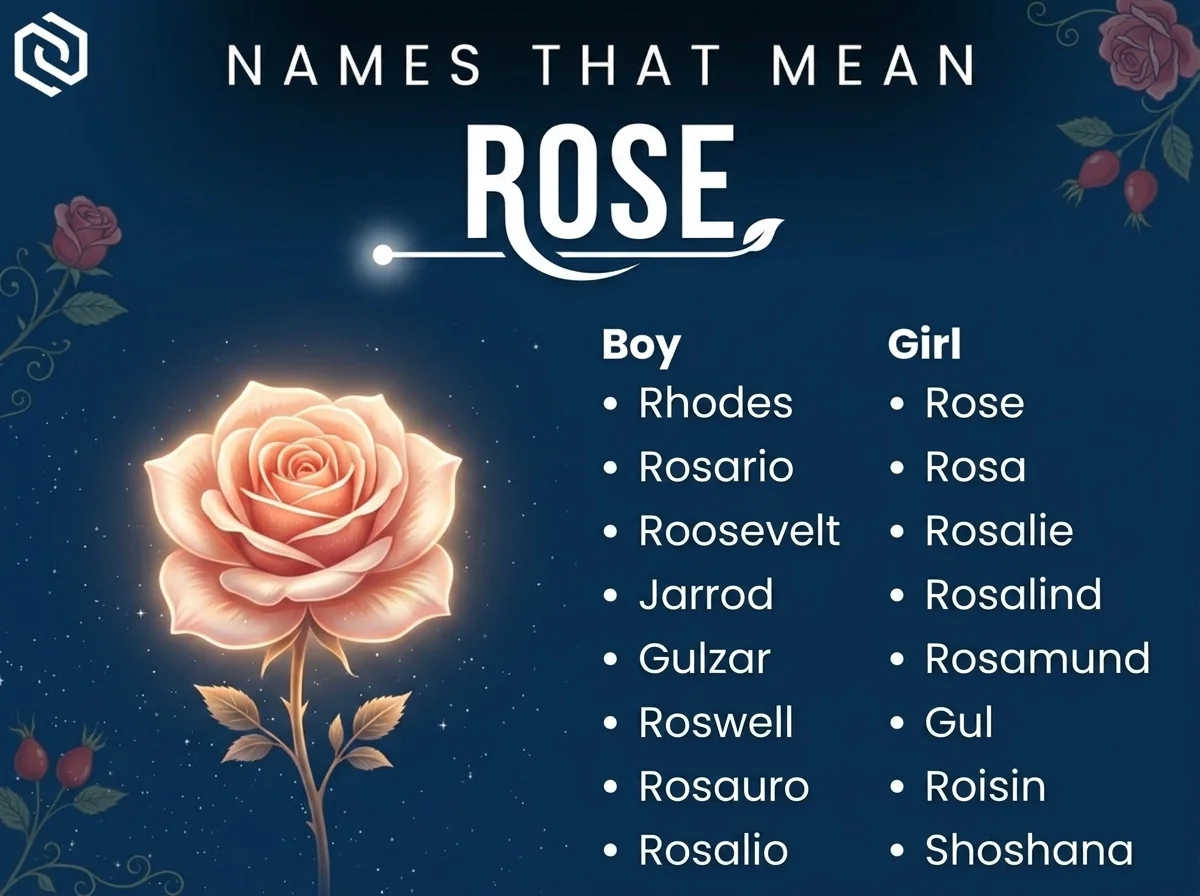
Roses carry a symbolic weight few other flowers can match. They speak of love, beauty, remembrance, and resilience.
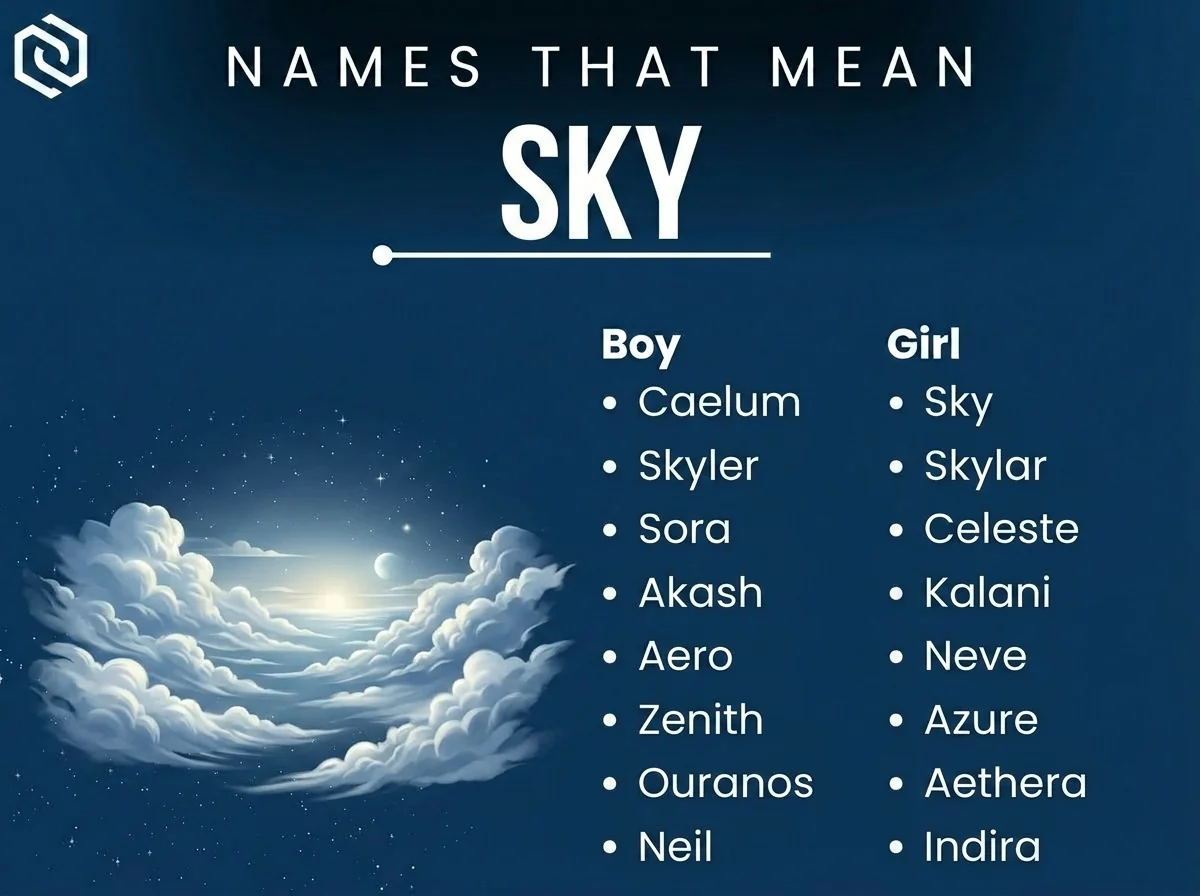
The sky has inspired parents across every culture and era, and it's easy to see why. It feels vast, open, and full of quiet possibility.
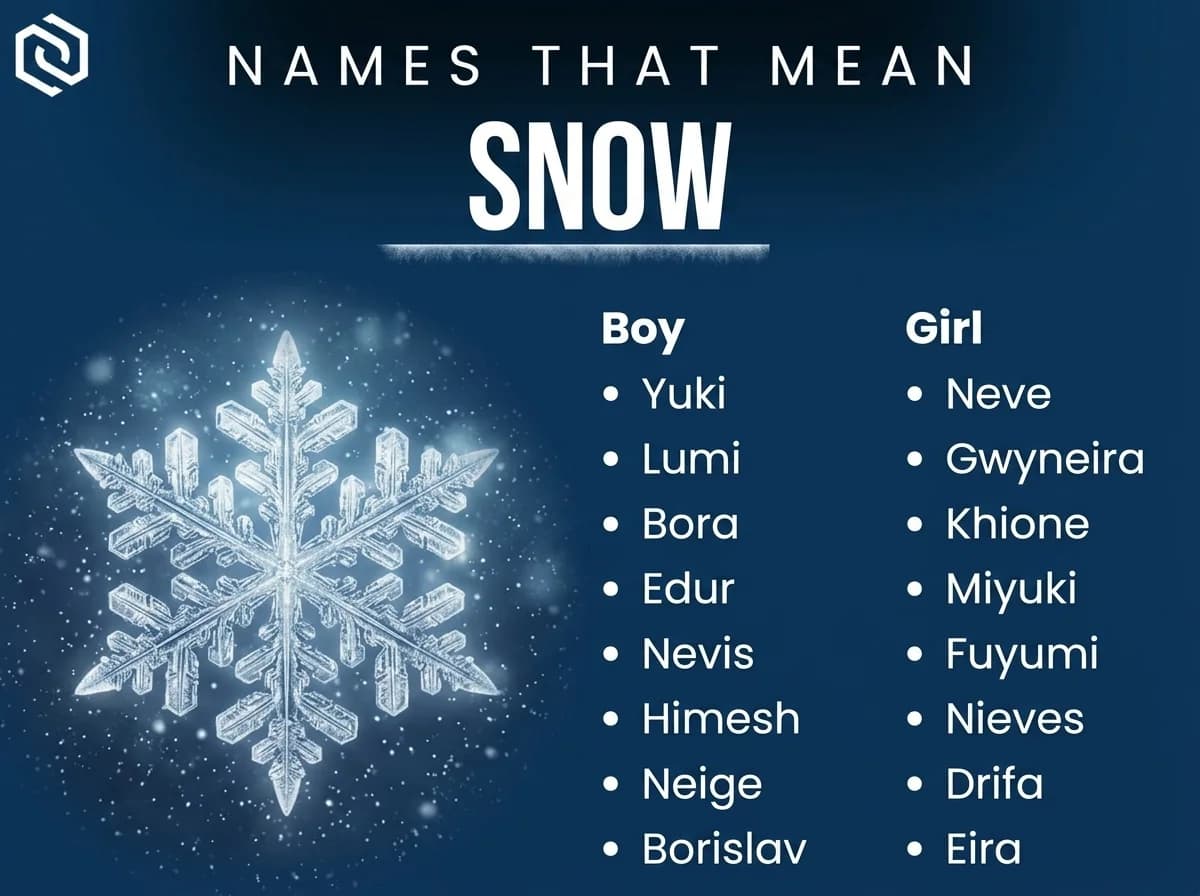
Snow transforms the world into something hushed and magical.
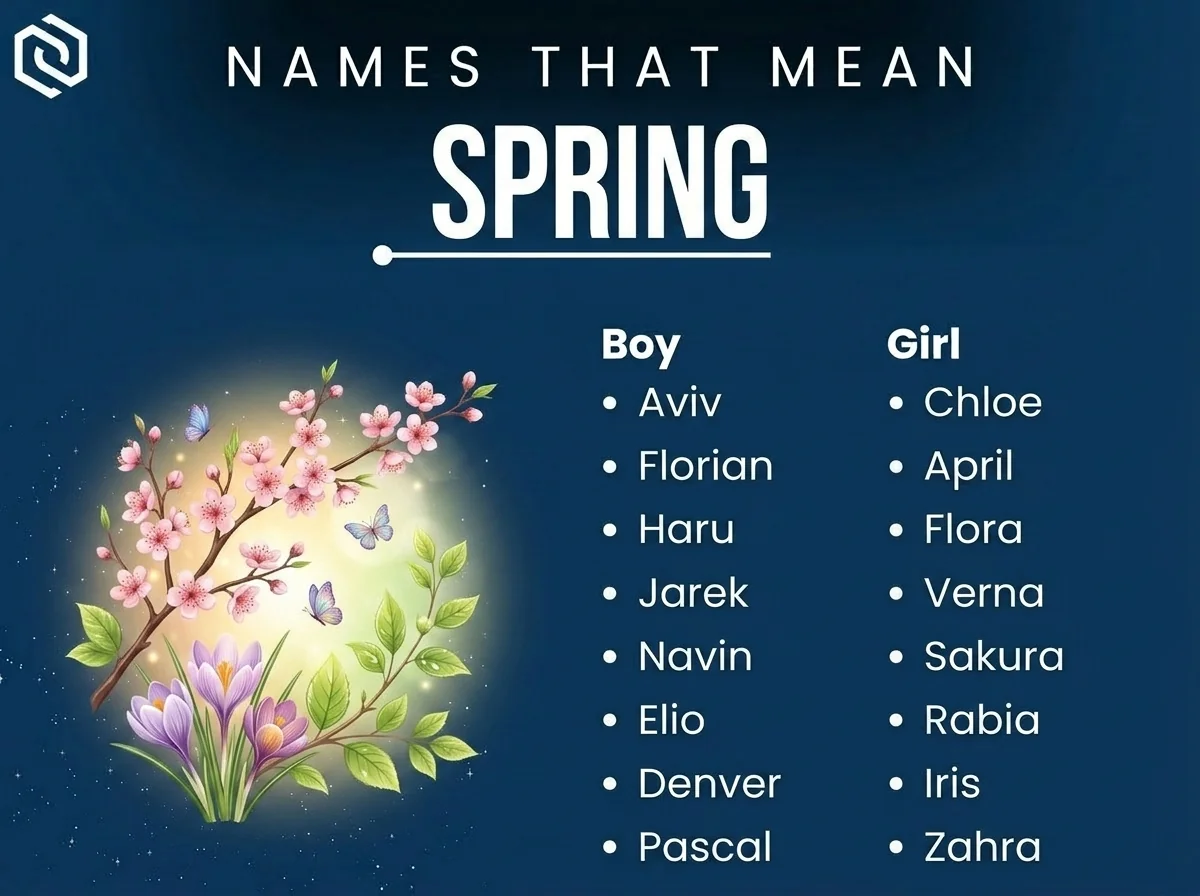
Spring names carry a sense of renewal that few other name categories can match. They feel bright without being loud, hopeful without being saccharine.
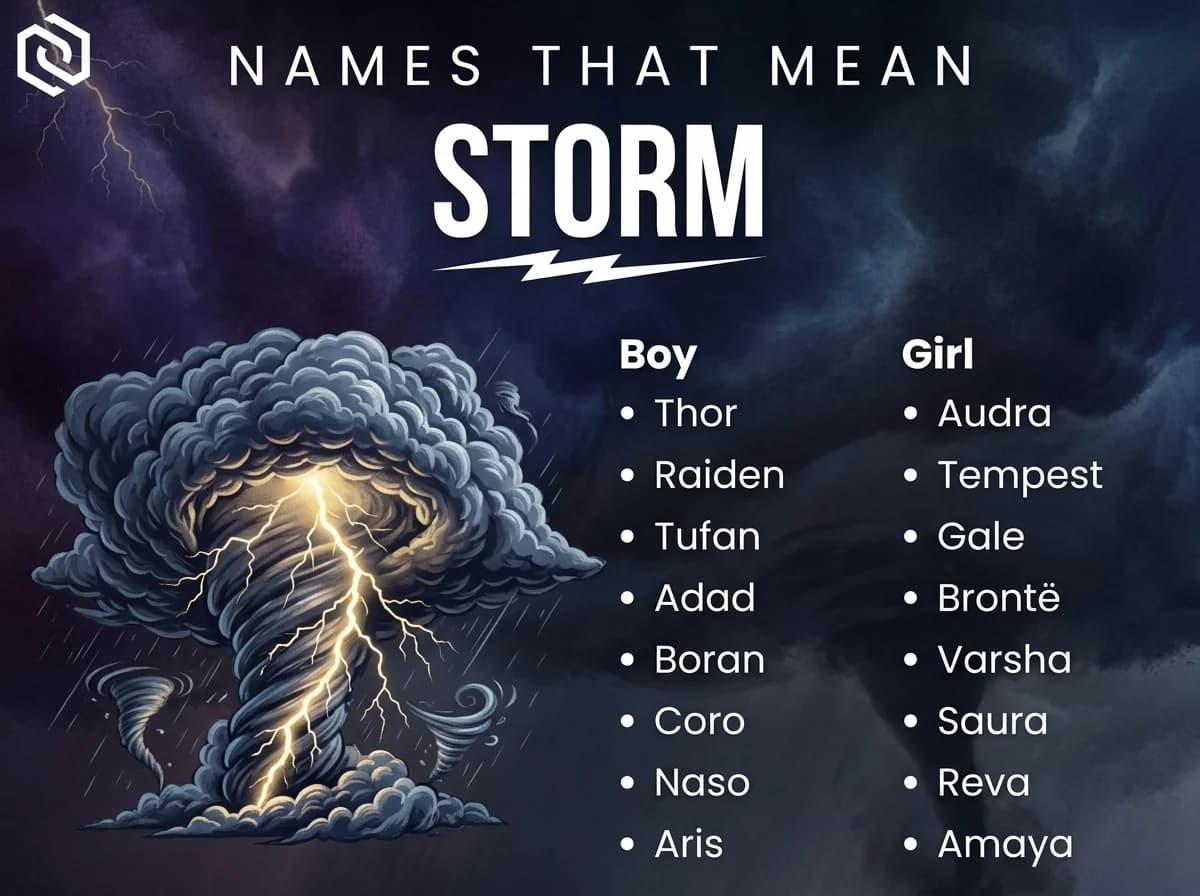
Storm names carry an elemental force that feels both wild and grounded.
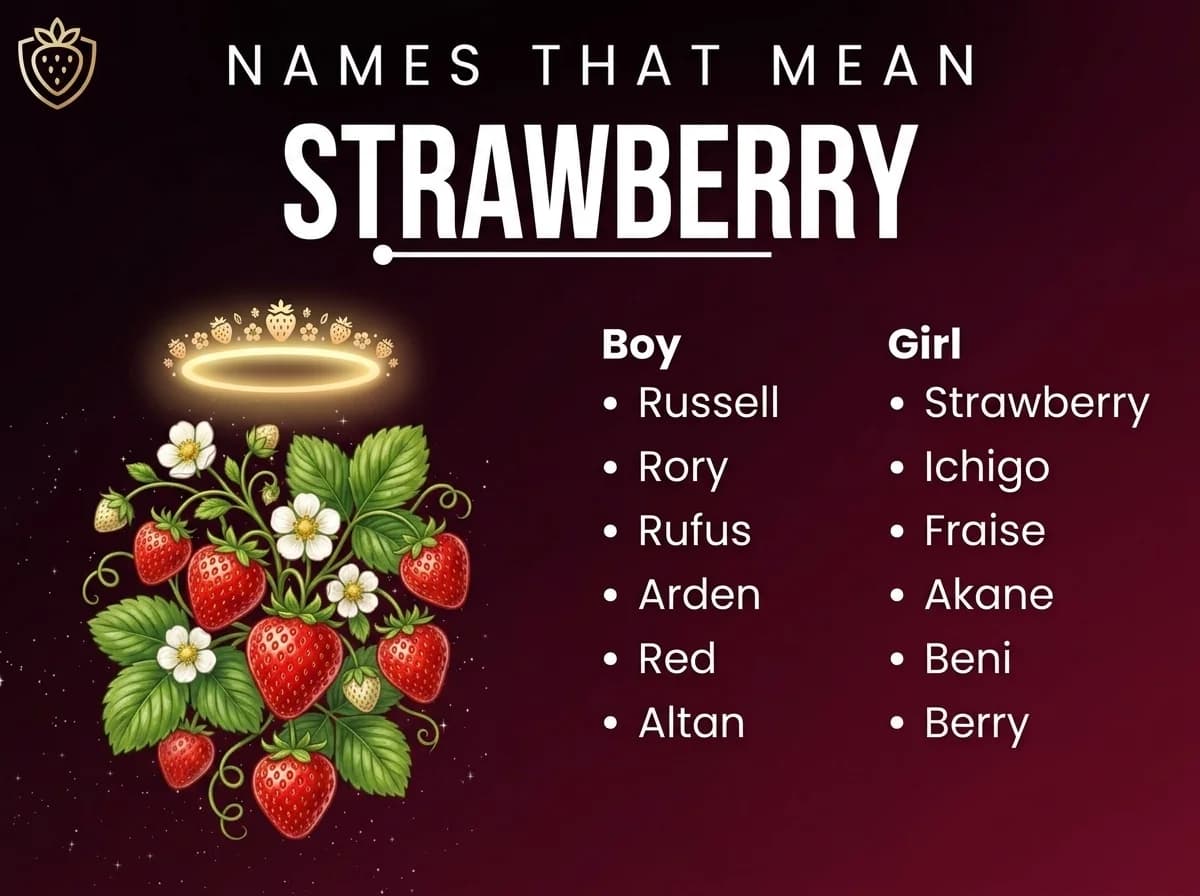
Strawberries have been symbols of sweetness, innocence, and fleeting beauty in cultures around the world.
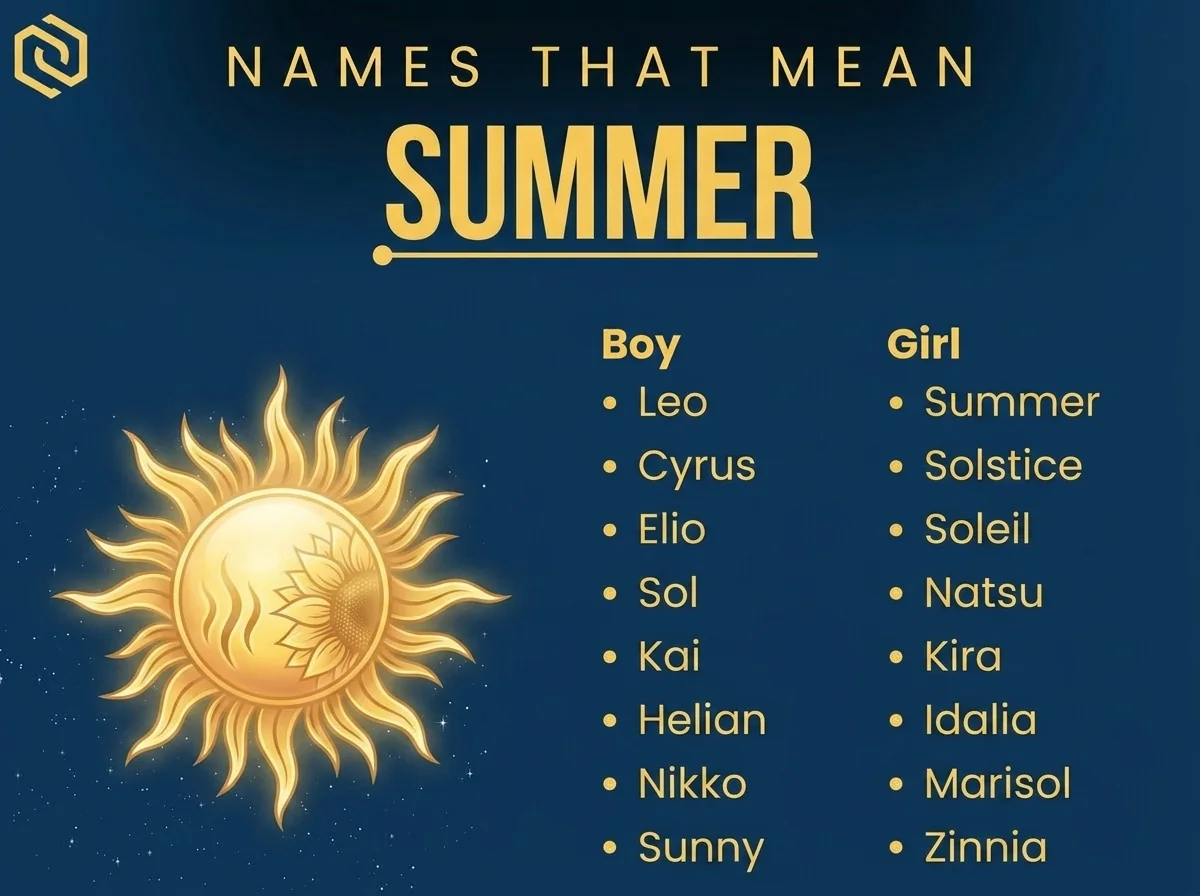
Summer names carry a brightness that few other seasonal names can match. They feel open, warm, and full of life, much like the season itself.
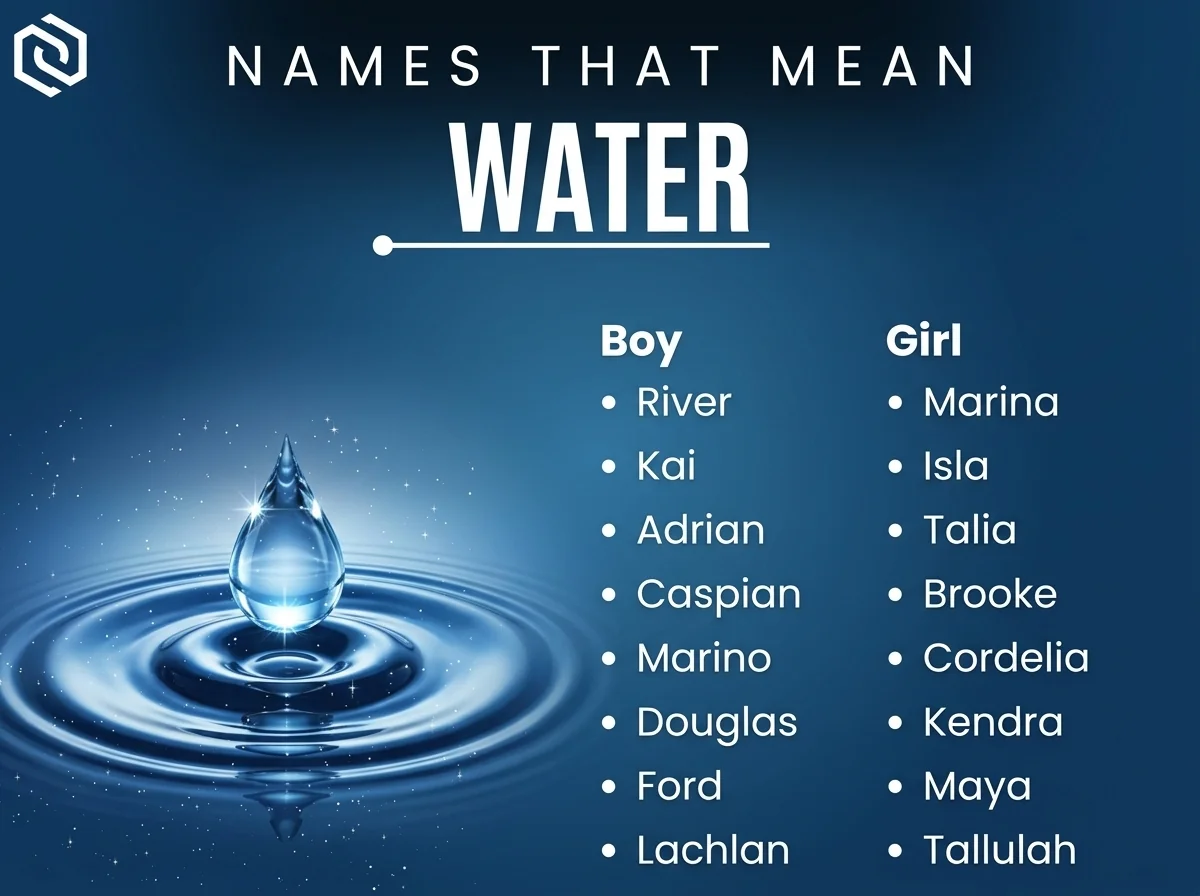
Water is one of the oldest symbols in human language. It carries life, mystery, and motion all at once.
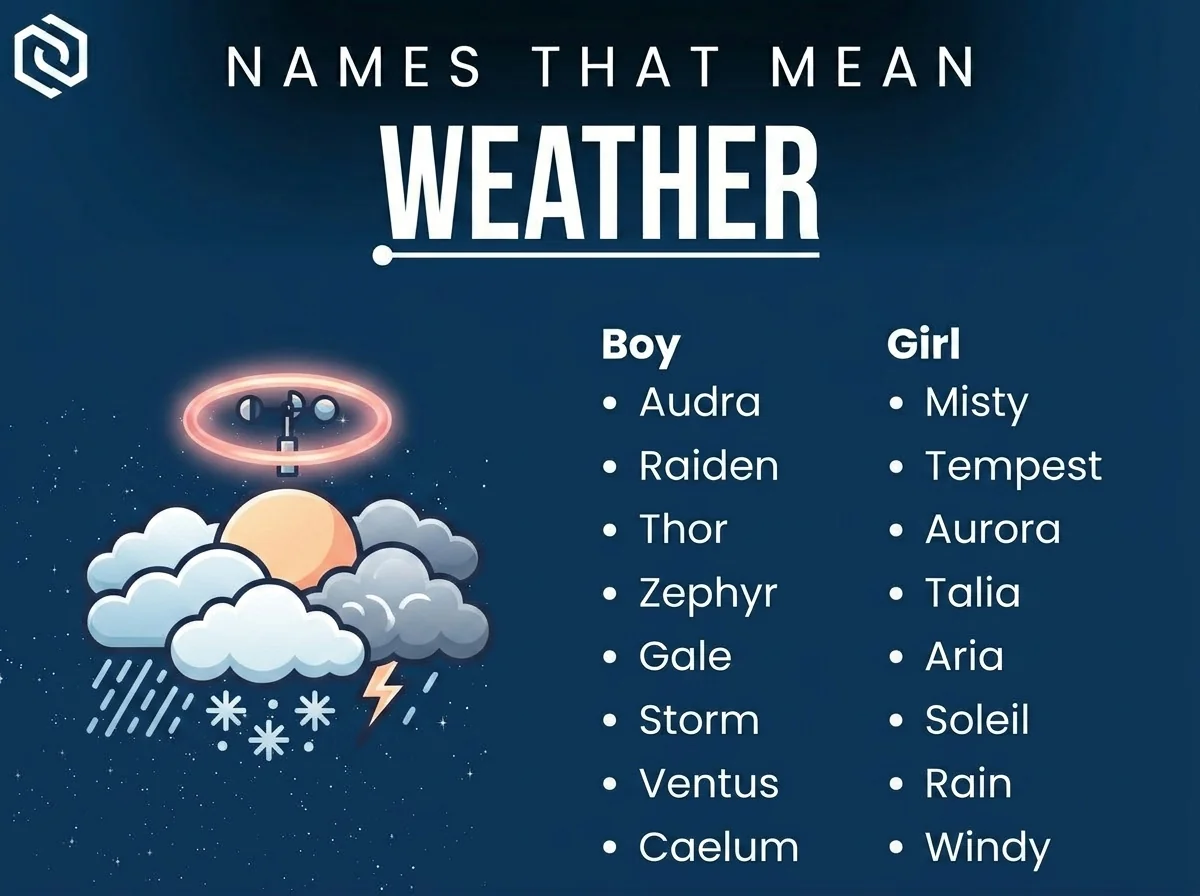
Weather shapes every culture on earth. It makes sense that parents across languages and centuries have turned to rain, wind, thunder, and snow when naming…
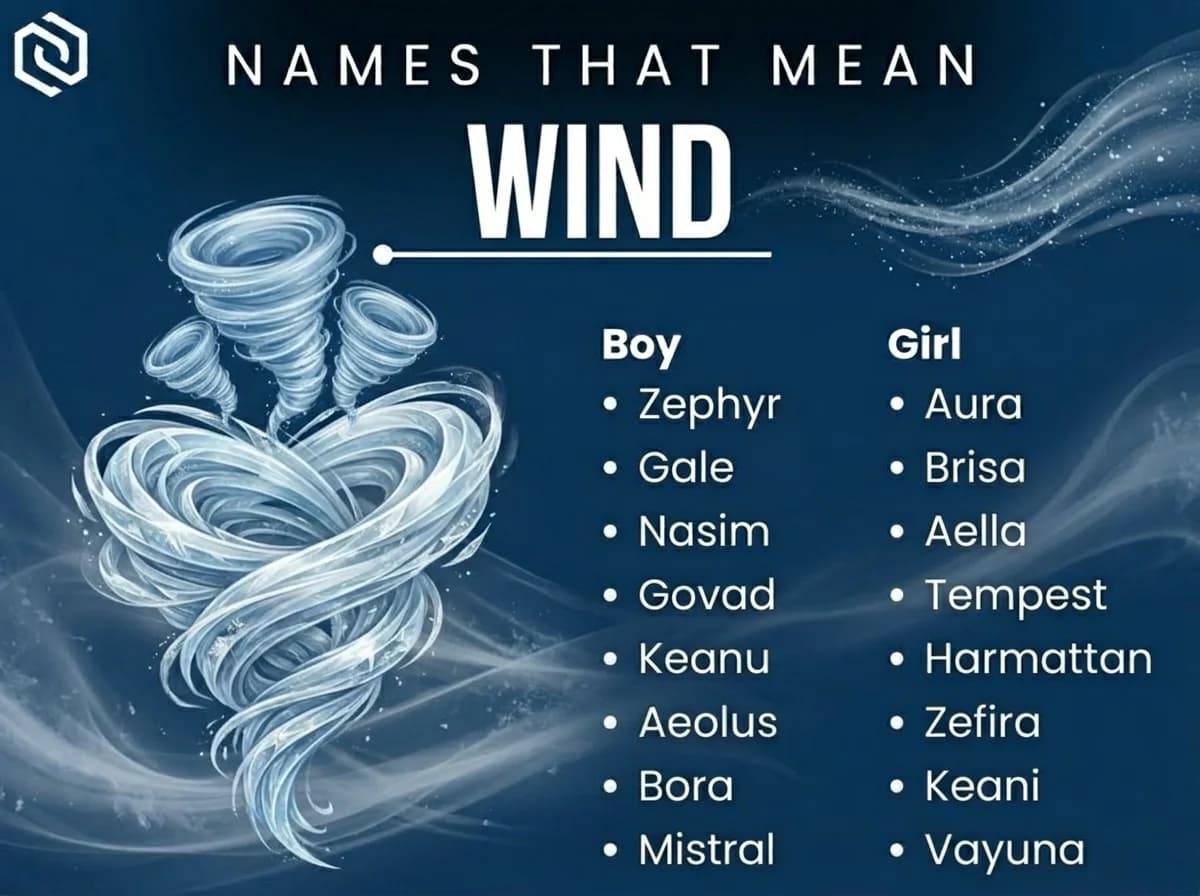
Wind carries messages across oceans, whispers through forests, and connects every corner of the earth. It's invisible yet powerful, gentle yet fierce.
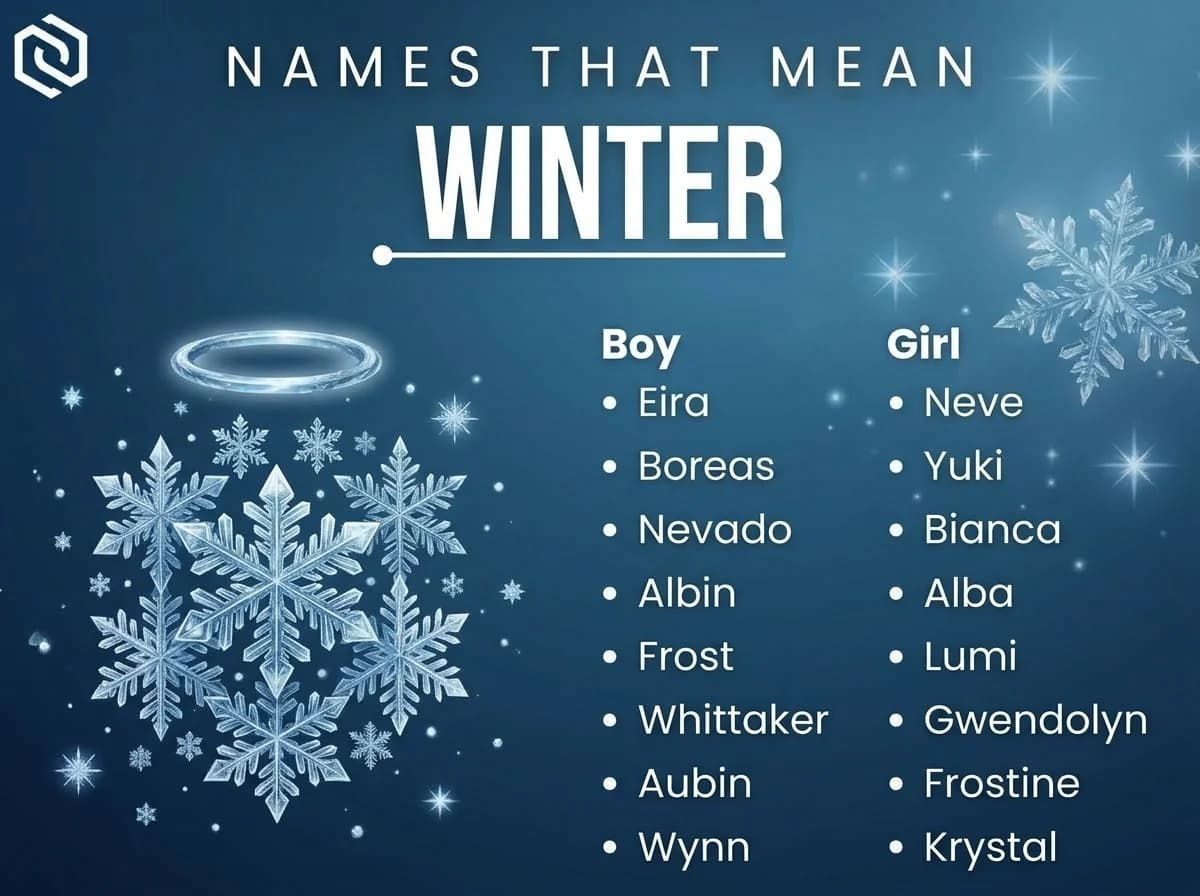
Winter names carry a quiet, crystalline beauty that sets them apart from the more common floral and sunlit choices.
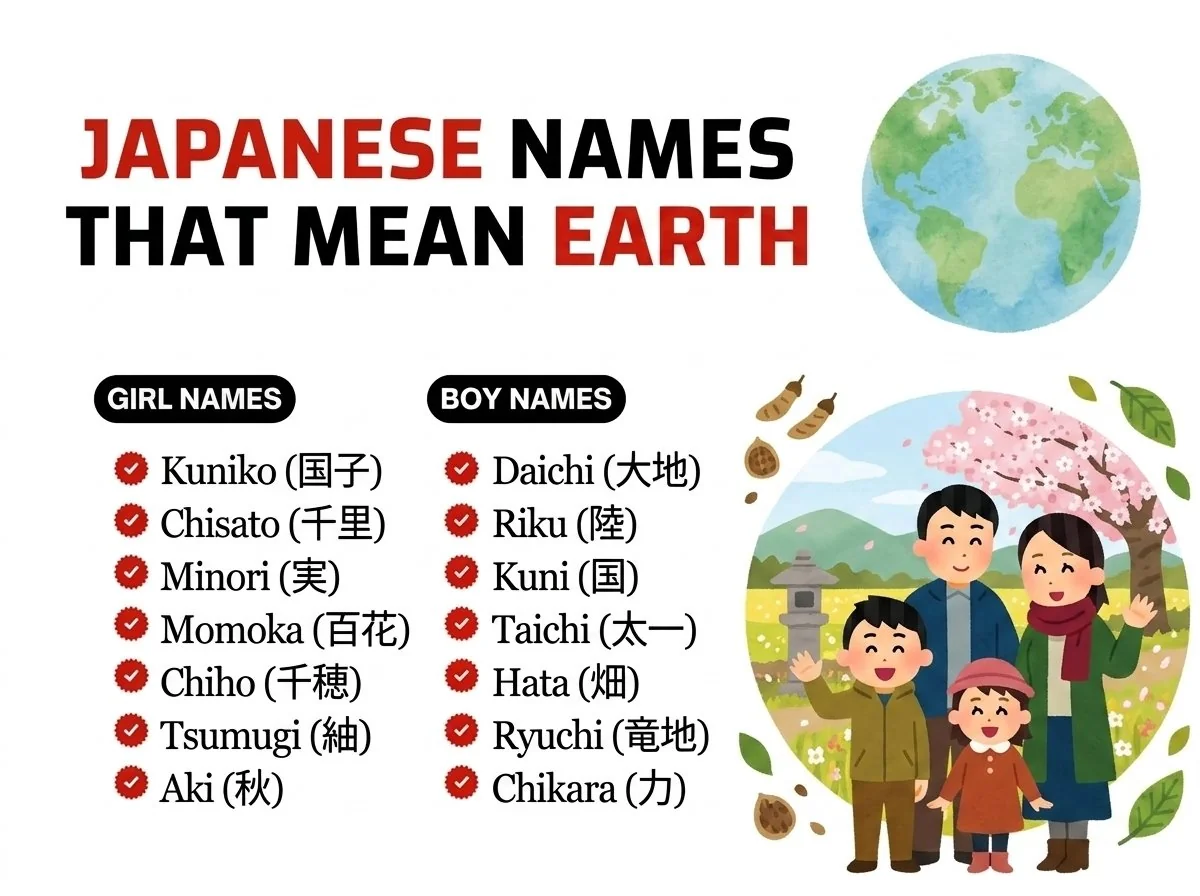
Earth holds a quiet power in Japanese naming tradition. The kanji 地 (chi) and 土 (do) carry connotations of stability, rootedness, and connection to the…
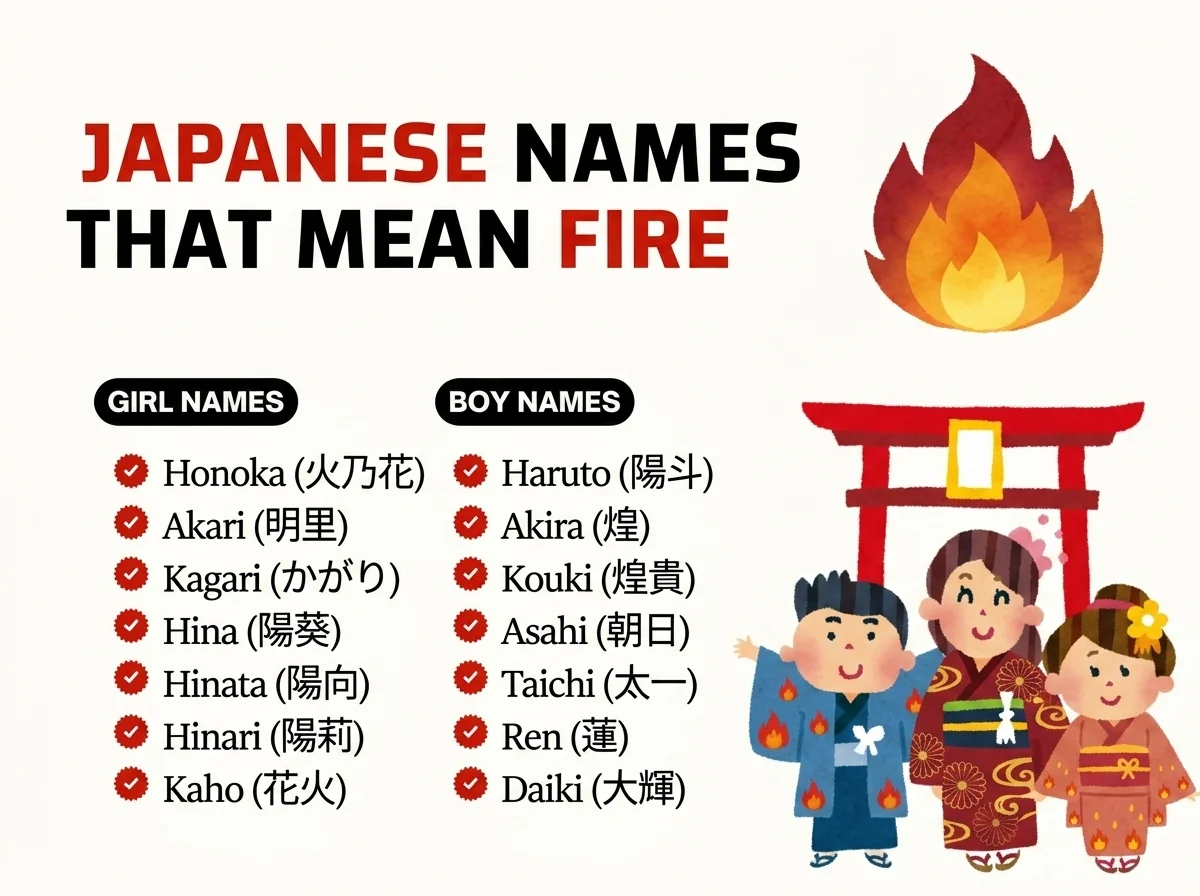
Fire holds a special place in Japanese culture. From the sacred flames of Shinto shrines to the summer bonfires of Obon, fire symbolizes purification…
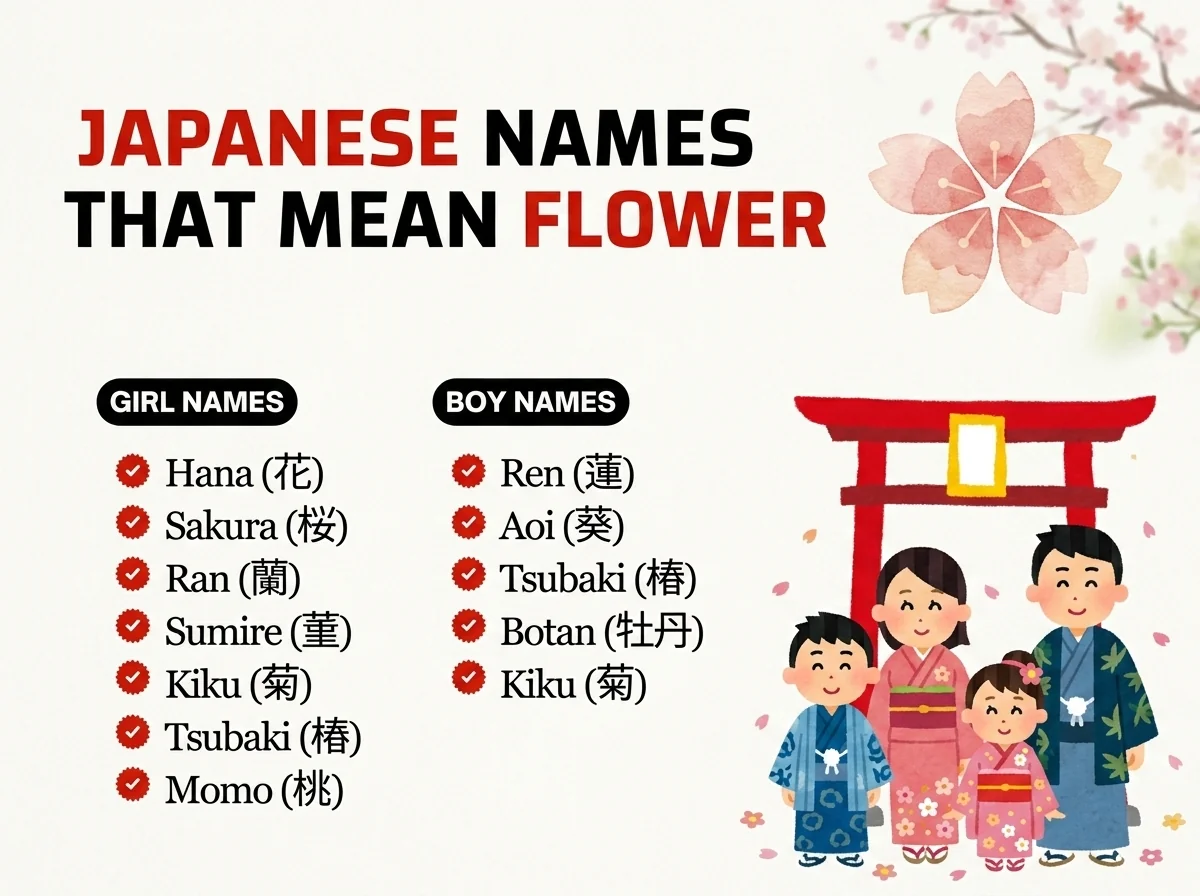
Flowers hold a special place in Japanese culture. From the cherry blossoms that draw millions each spring to the chrysanthemum on the imperial seal, blooms…
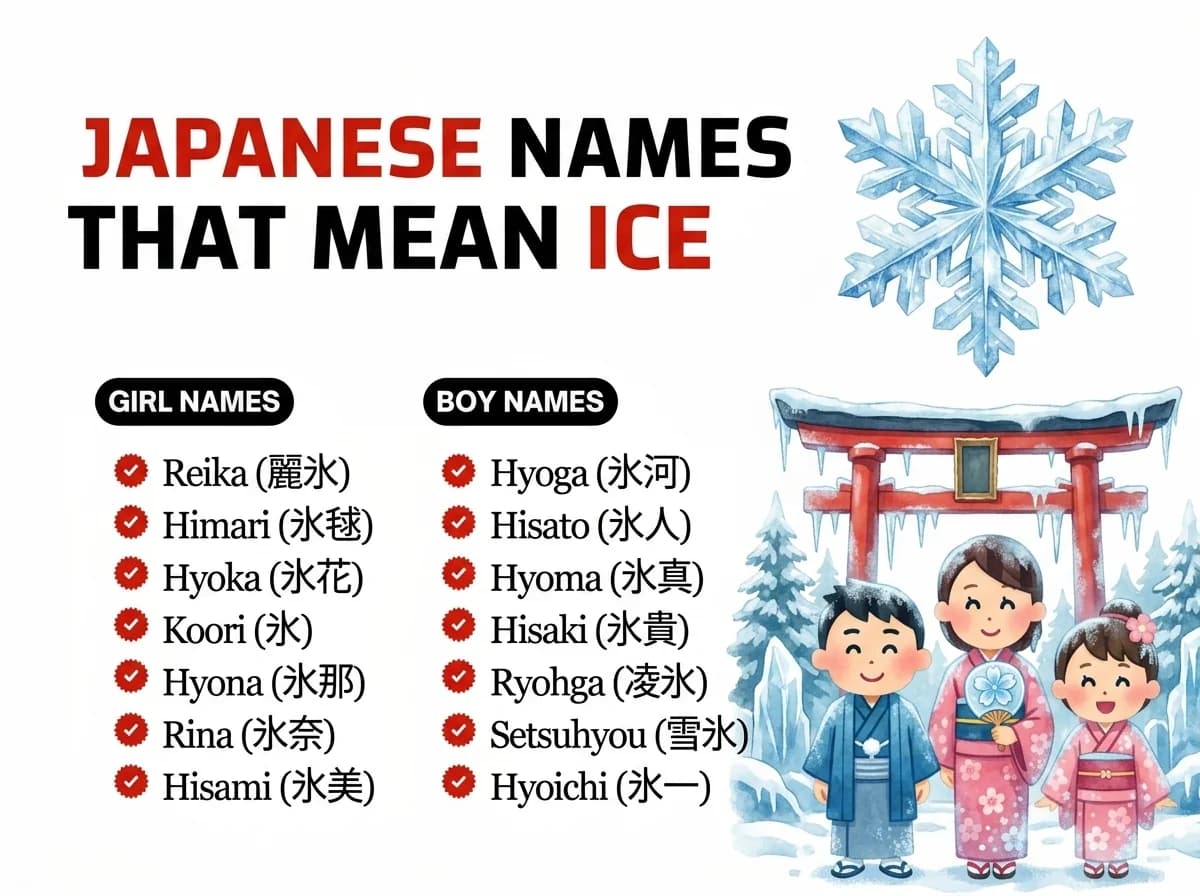
Ice holds a quiet power in Japanese culture. The kanji 氷 (kōri) evokes stillness, clarity, and the sharp beauty of winter mornings in Hokkaido.
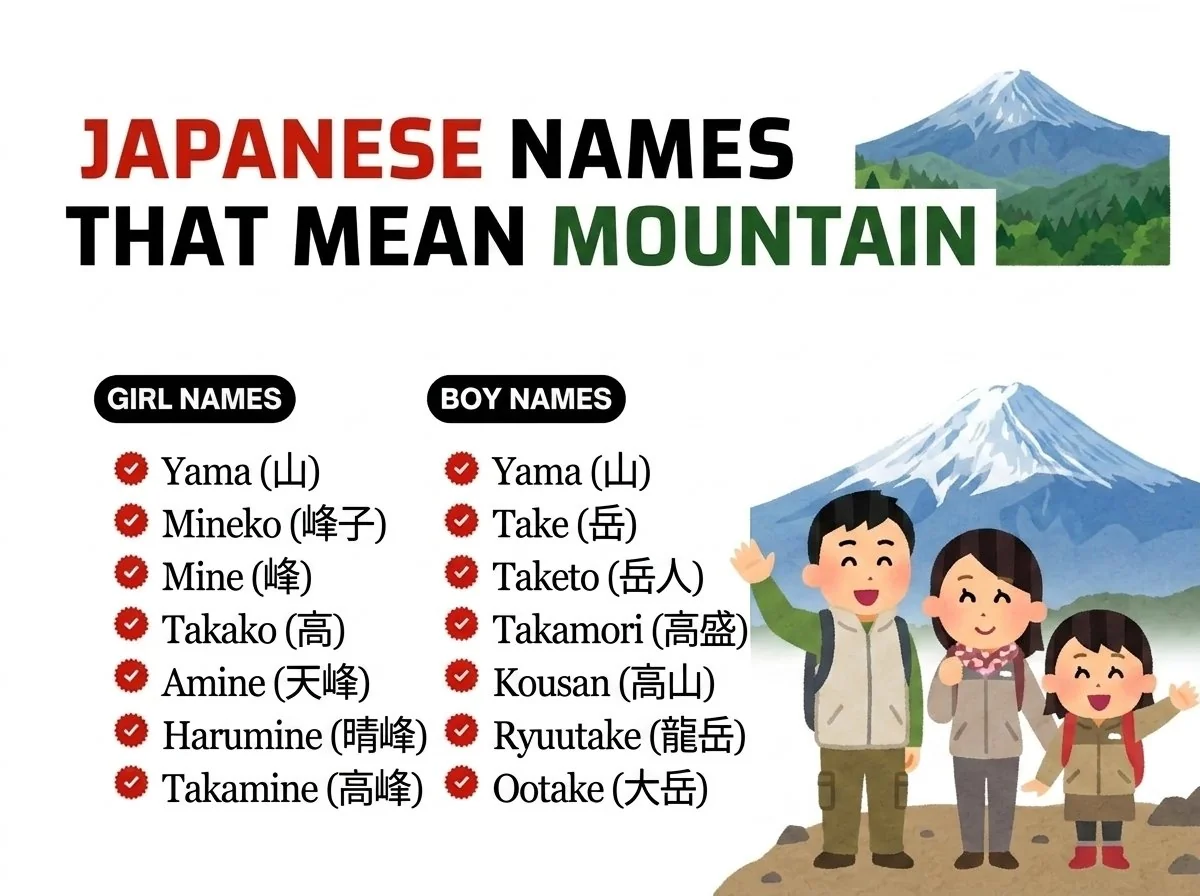
Mountains hold deep spiritual meaning in Japanese culture. From the sacred slopes of Mount Fuji to the misty ridgelines of the Japanese Alps, these towering…
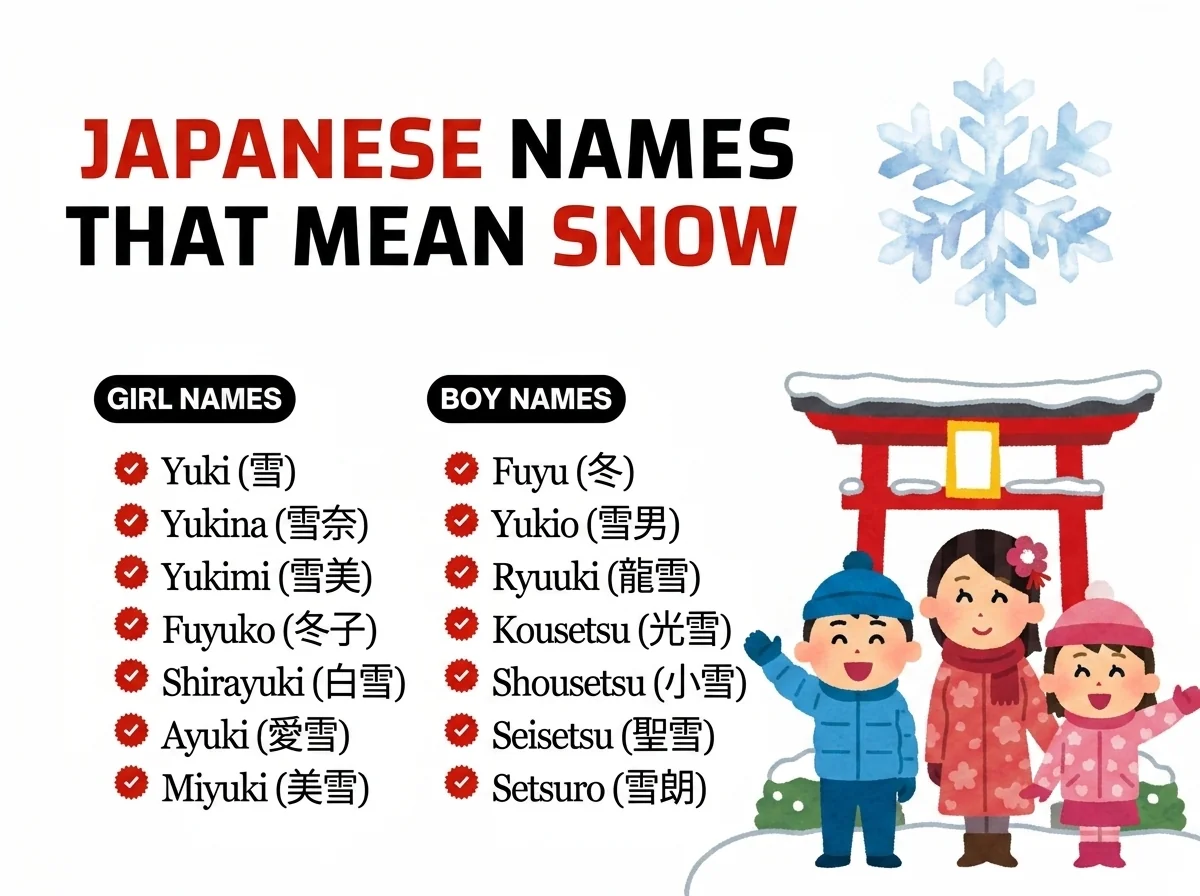
Snow holds a special place in Japanese culture. From the quiet tradition of yukimi (snow viewing) gatherings to the hushed stillness of a Hokkaido winter…
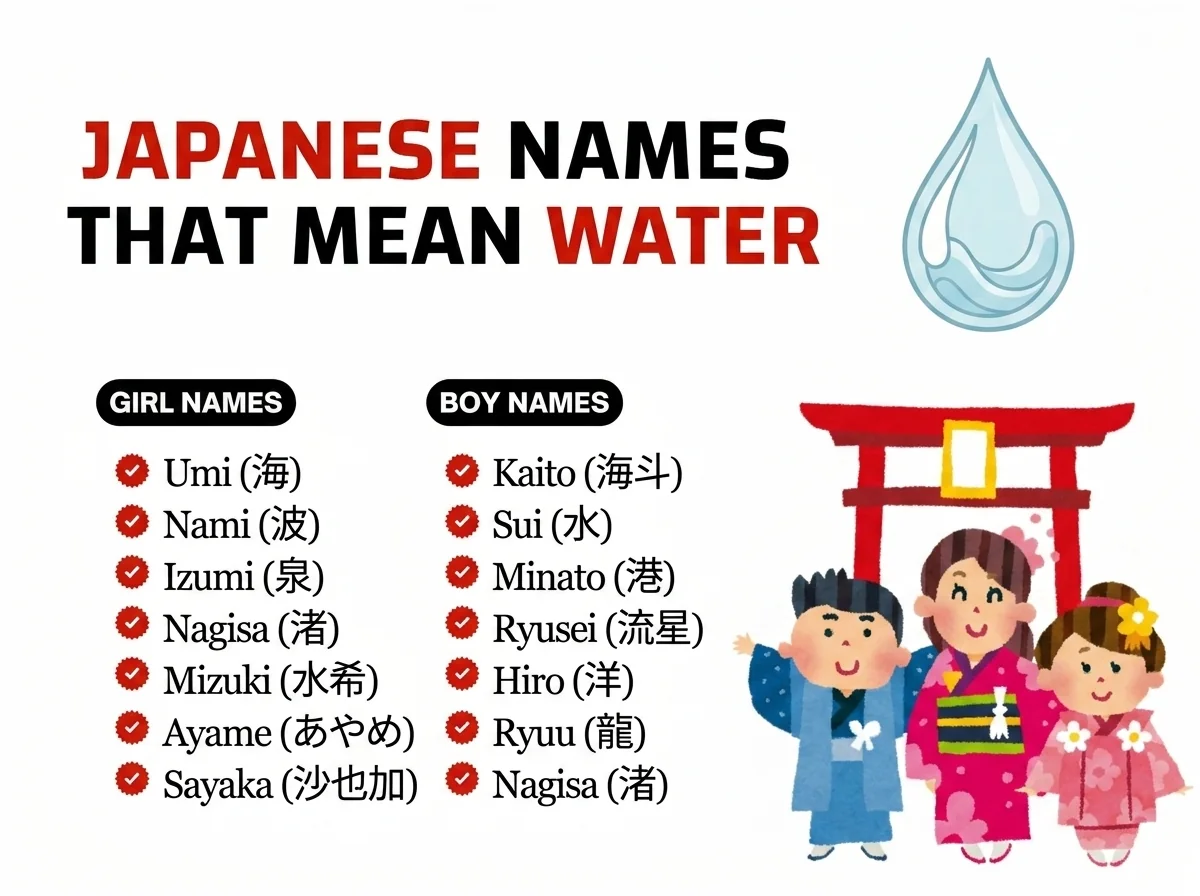
Water runs through Japanese culture in a way few other elements do.
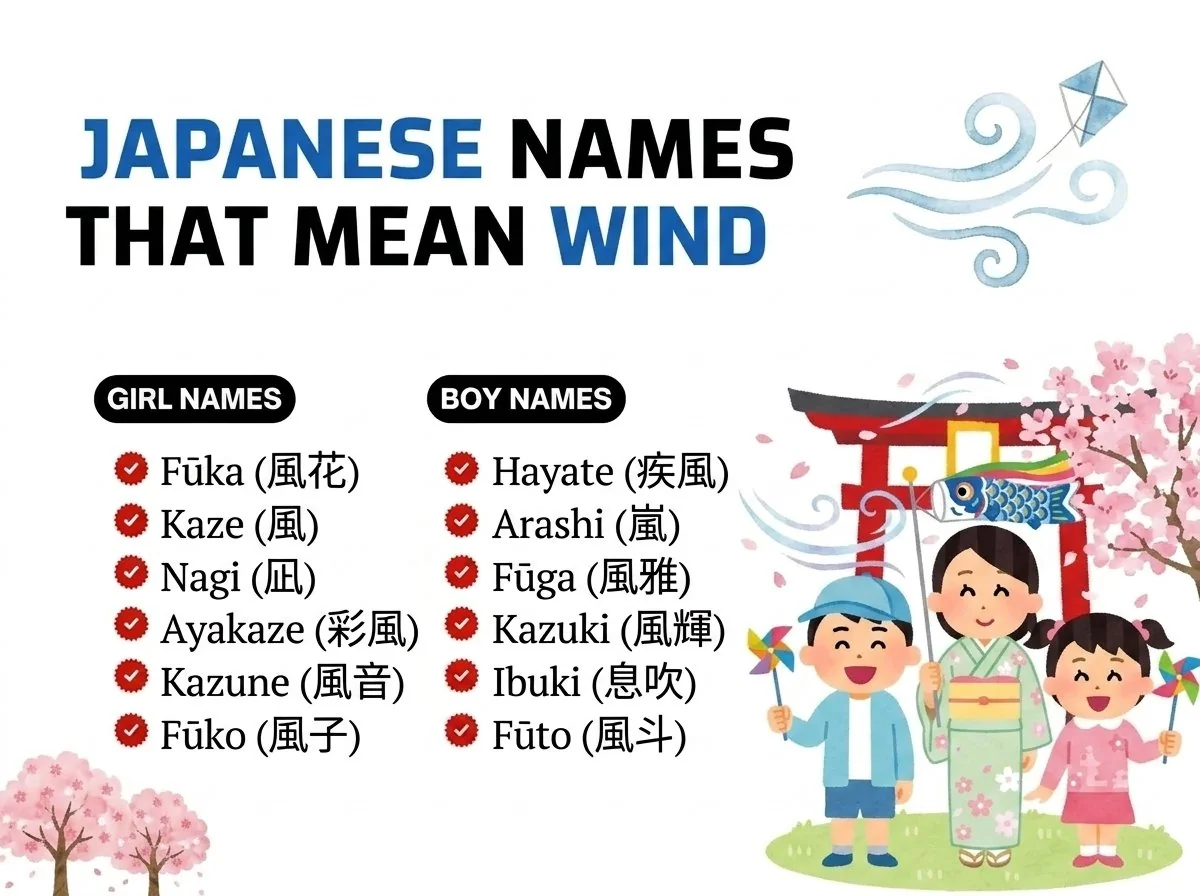
Wind holds a special place in Japanese culture. It shows up in poetry, seasonal traditions, and the very structure of the Japanese language.

Fire surnames carry a certain heat to them. They feel bold, grounded, and impossible to ignore.

Some family names carry the salt air in their syllables. Surnames tied to the ocean often began as descriptions of where a family lived, what they did for a…

Water shaped where people settled, and that reality is baked into family names across the globe.