Japanese55+ names
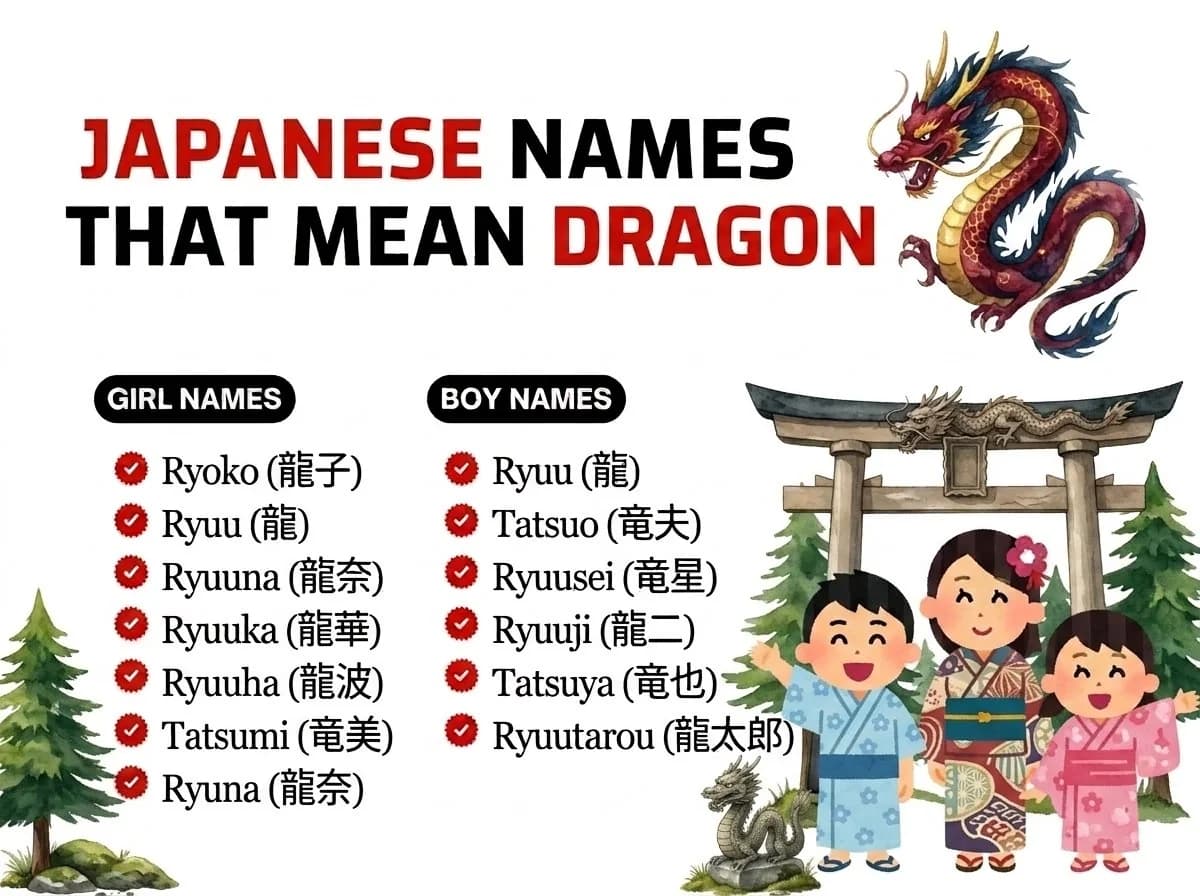
55+ Japanese Names Meaning Dragon (With Meanings)
In Japanese culture, the dragon is nothing like the fire-breathing monster of Western fairy tales.
7 min read
Category · 32 guides
Japanese names written in kanji and explained properly — readings, characters, and the cultural weight each name carries.
Japanese names are among the most layered names in the world. A single name can change meaning entirely depending on which kanji characters are used to write it — the sound stays the same, but the story changes. That's why a guide to Japanese names must go deeper than a translation.
In this category we explore Japanese names by meaning: names that mean dragon, sun, moon, light, snow, fire, and more. For every name we give the reading, the kanji, and the meaning each character contributes, so you can see exactly how the name is built.
These guides are written for parents honoring Japanese heritage, writers and gamers building authentic characters, and anyone captivated by how much meaning a single kanji can hold. Notes on cultural context — like the difference between the traditional 龍 and the simplified 竜 — are included so the names are understood, not just listed.
In Japanese culture, the dragon is nothing like the fire-breathing monster of Western fairy tales.
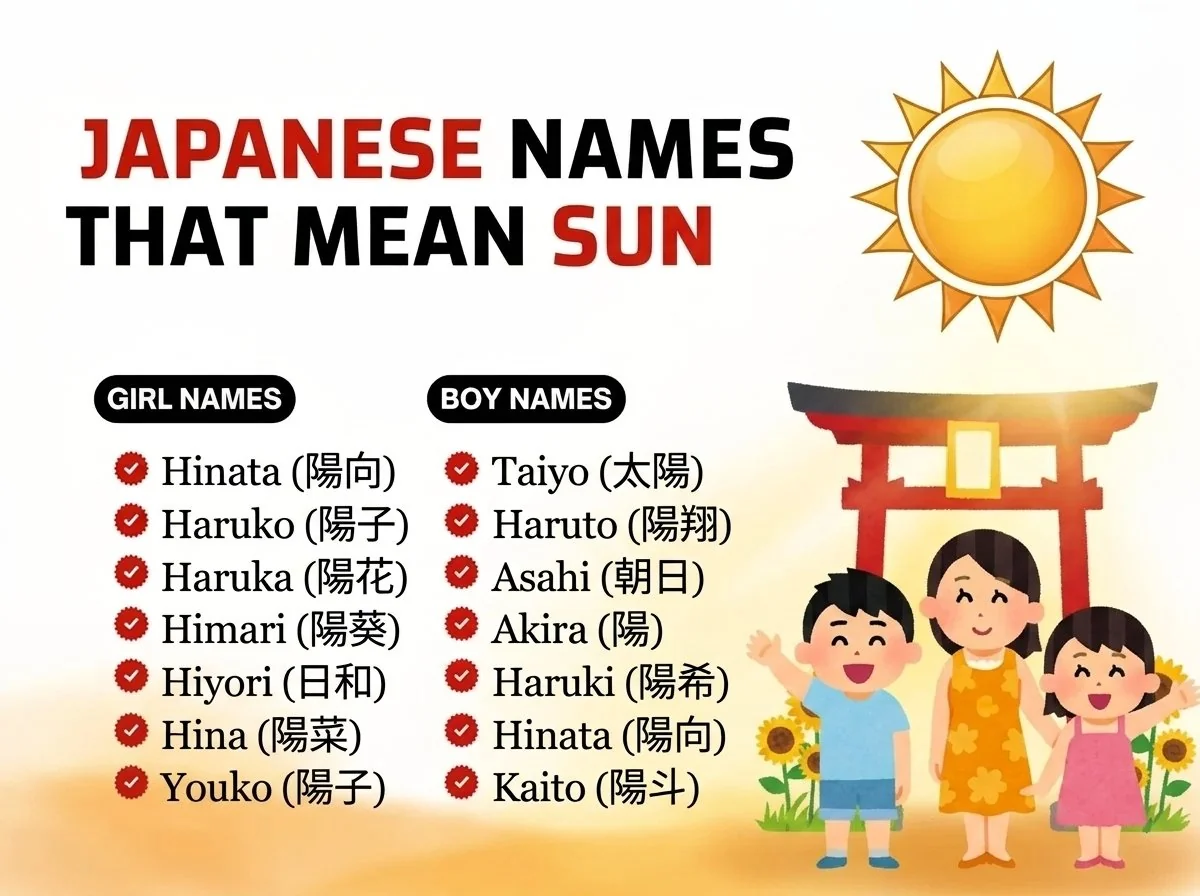
In Japanese naming tradition, the sun carries deep spiritual weight.
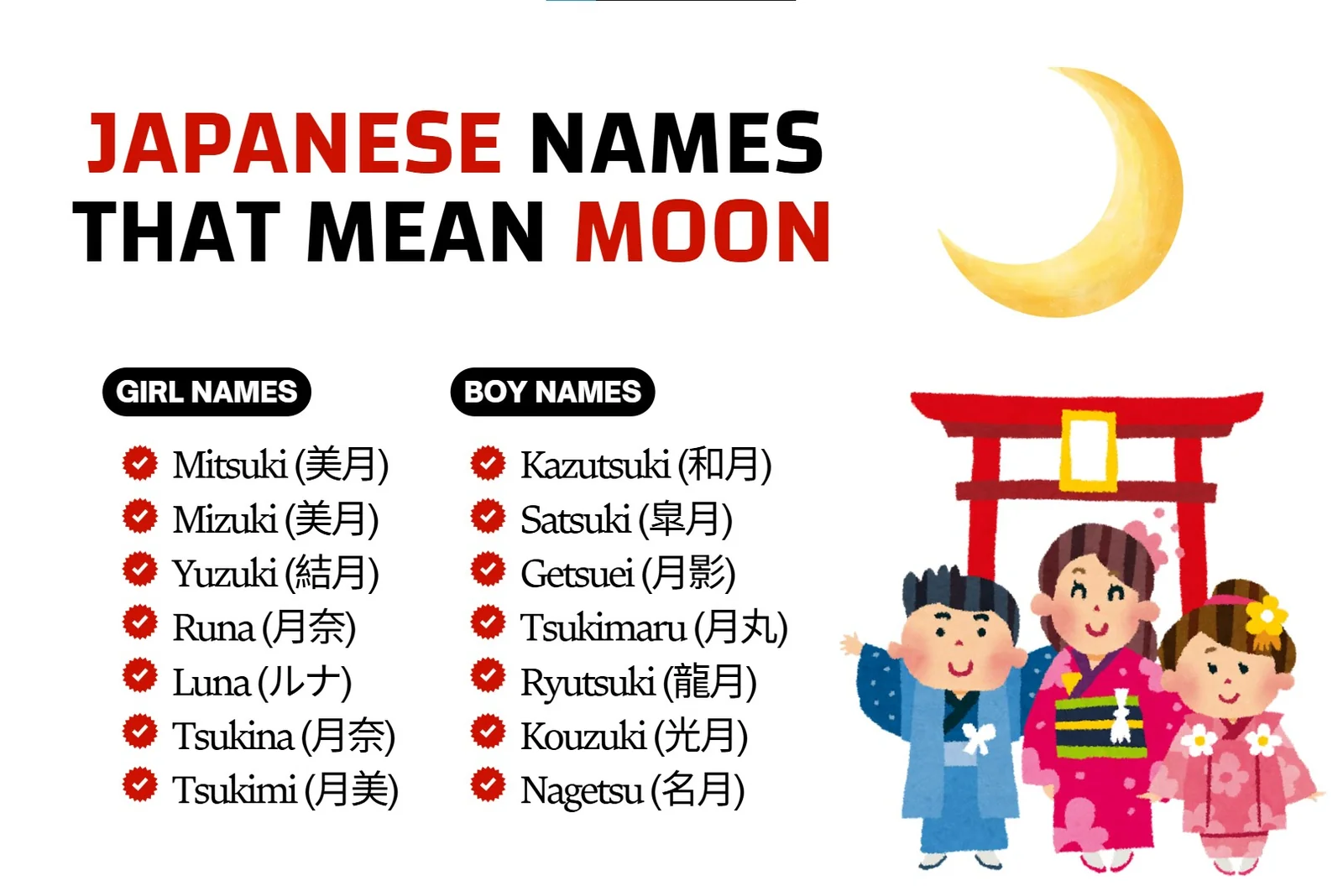
The moon holds a special place in Japanese culture. From the autumn tradition of tsukimi (moon viewing) to the Shinto moon god Tsukuyomi, lunar imagery runs…
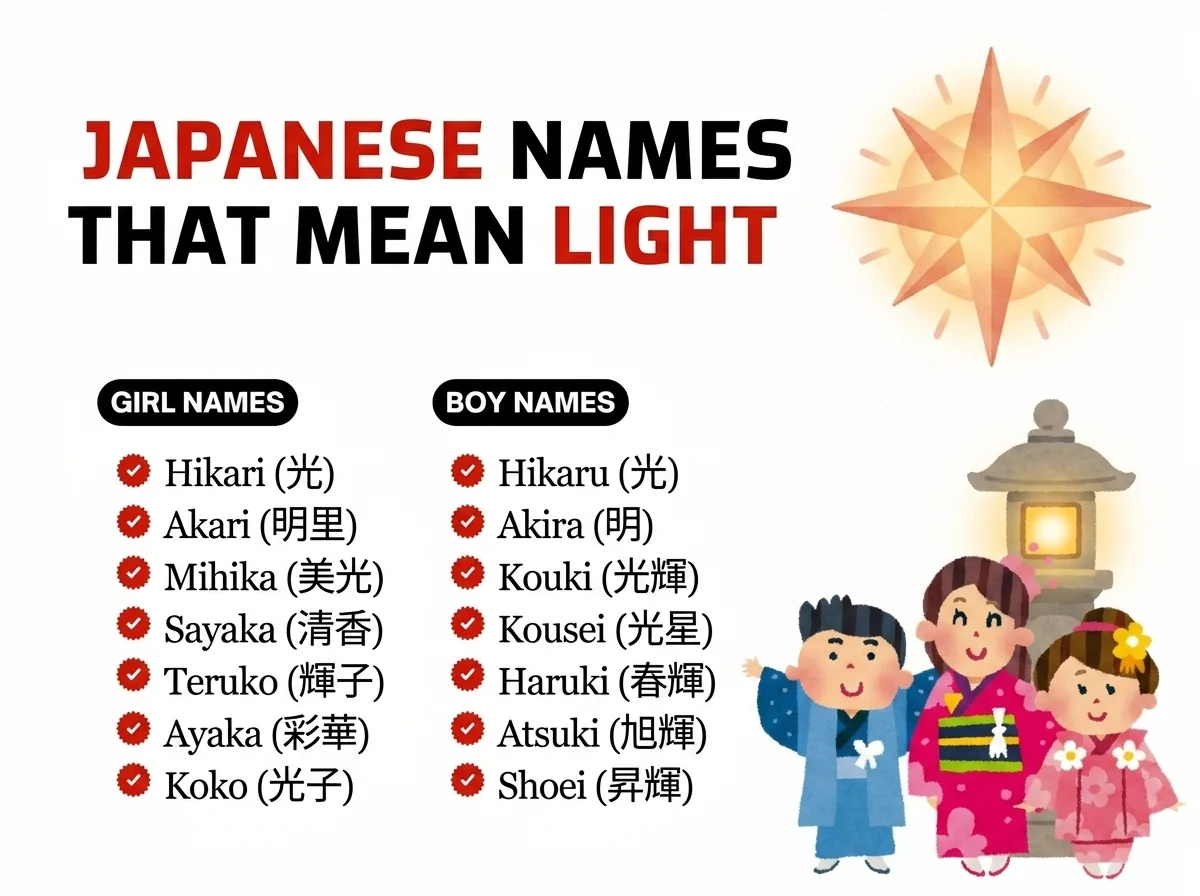
Light holds deep meaning in Japanese culture. It appears in Shinto rituals, summer lantern festivals, and the quiet glow of paper lamps along temple paths.
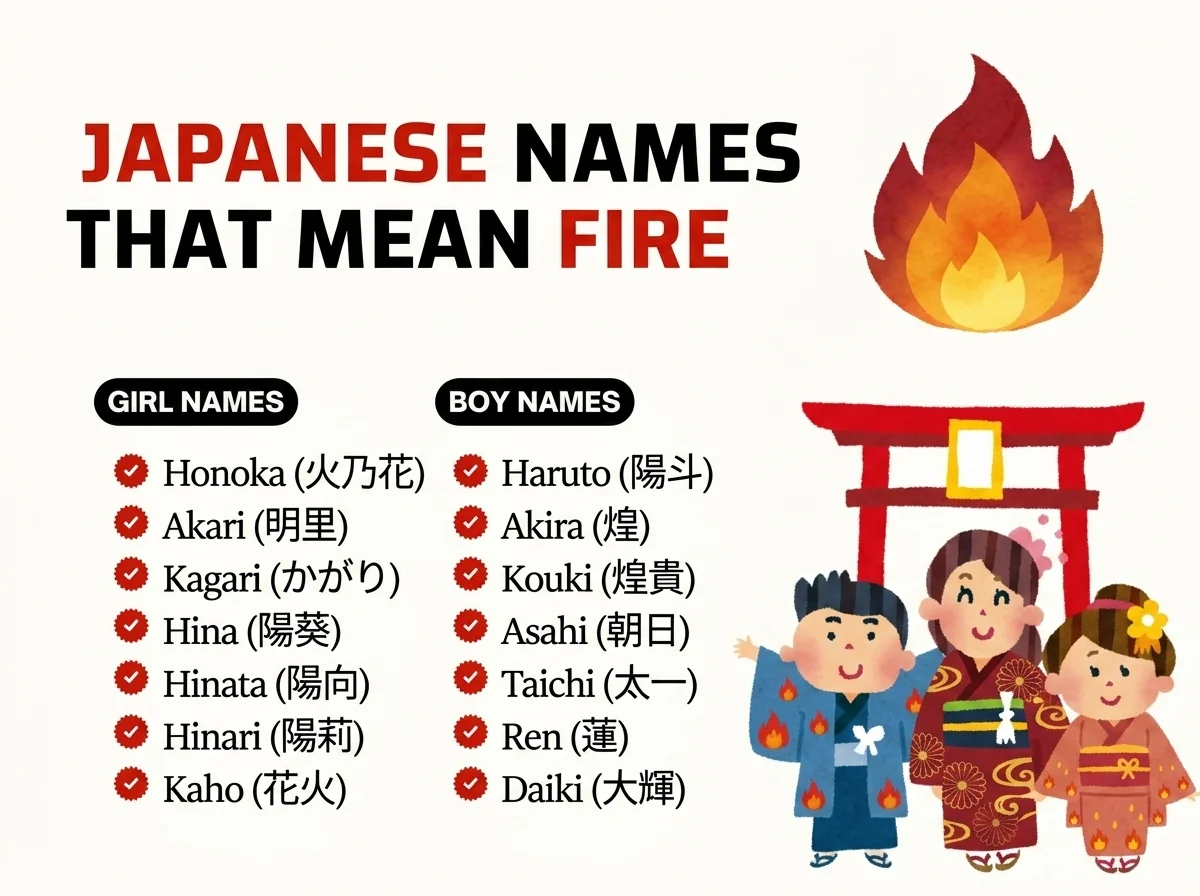
Fire holds a special place in Japanese culture. From the sacred flames of Shinto shrines to the summer bonfires of Obon, fire symbolizes purification…
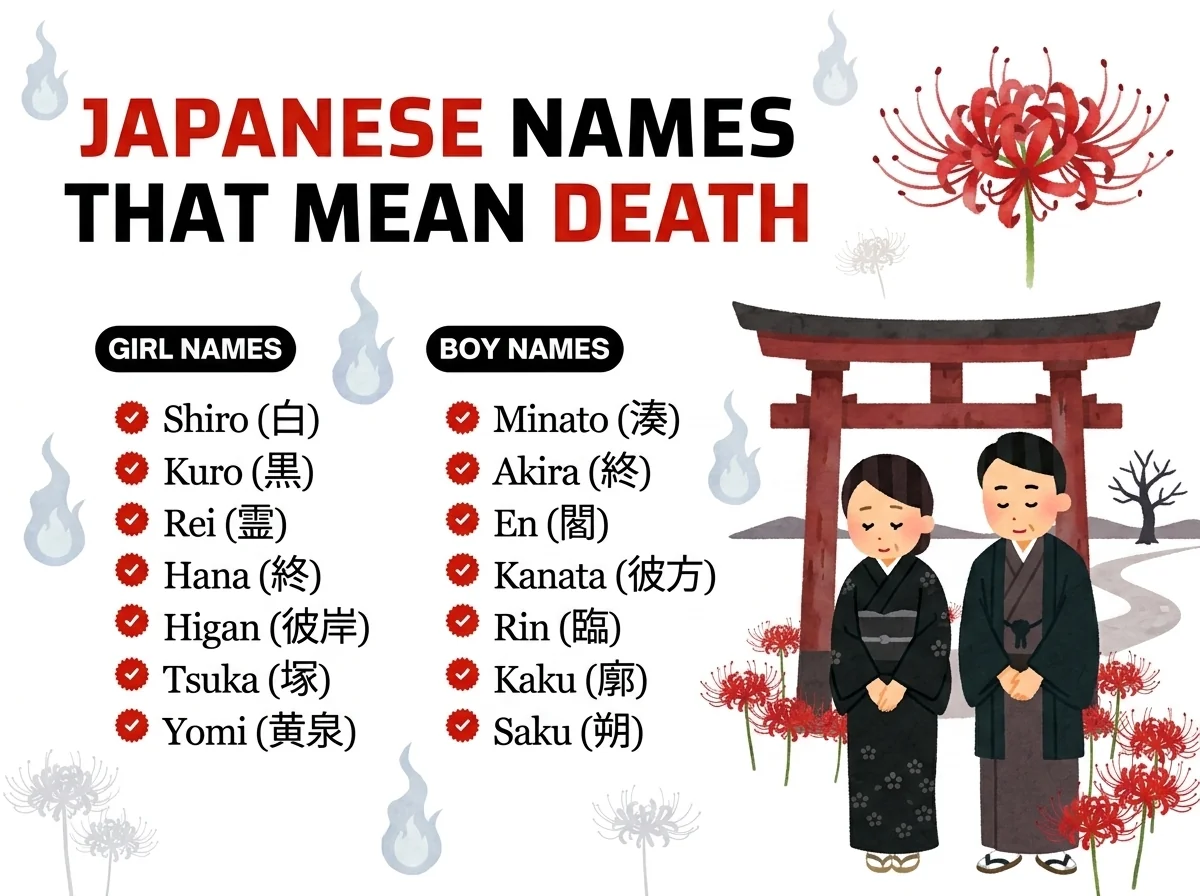
Death carries a heavy silence in Japanese naming culture. The kanji for death, 死 (shi), is so deeply avoided that even the number four, which shares the…
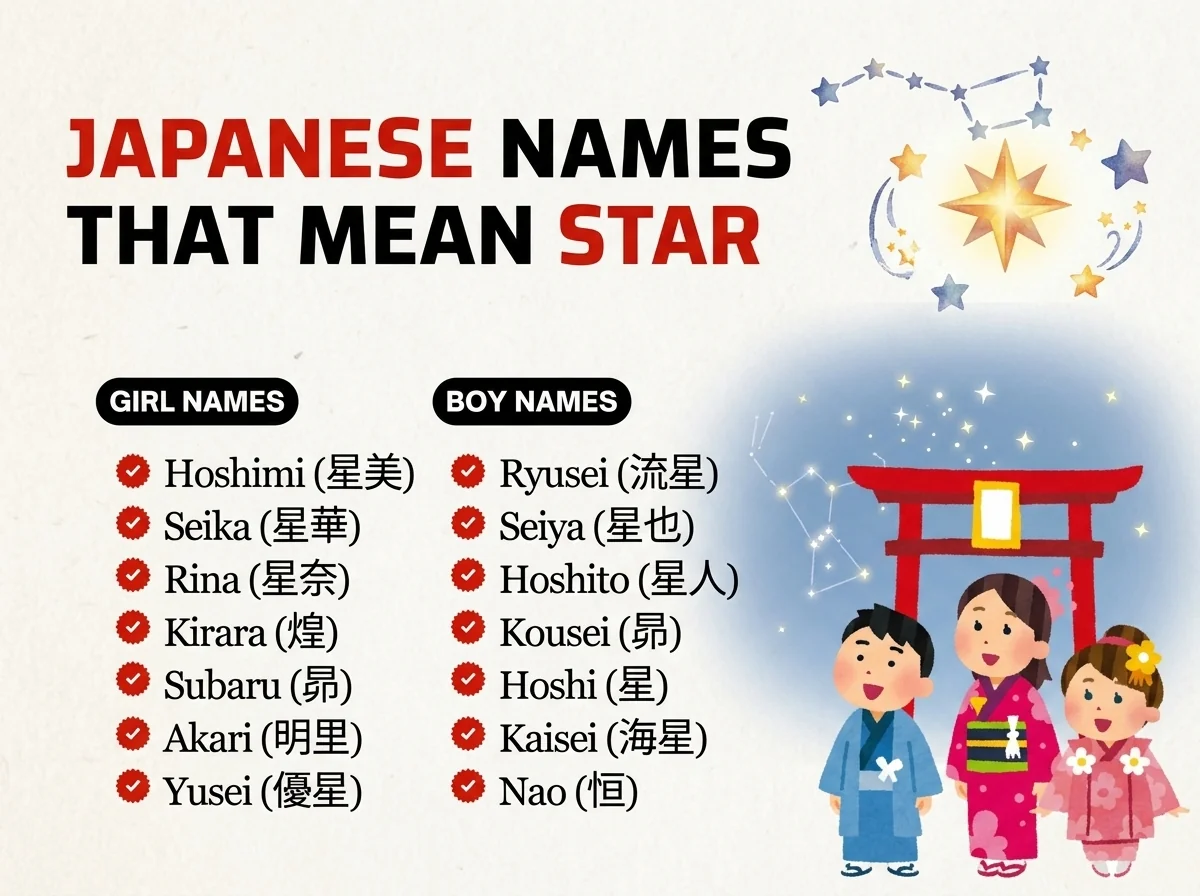
Stars have held deep meaning in Japanese culture for centuries.
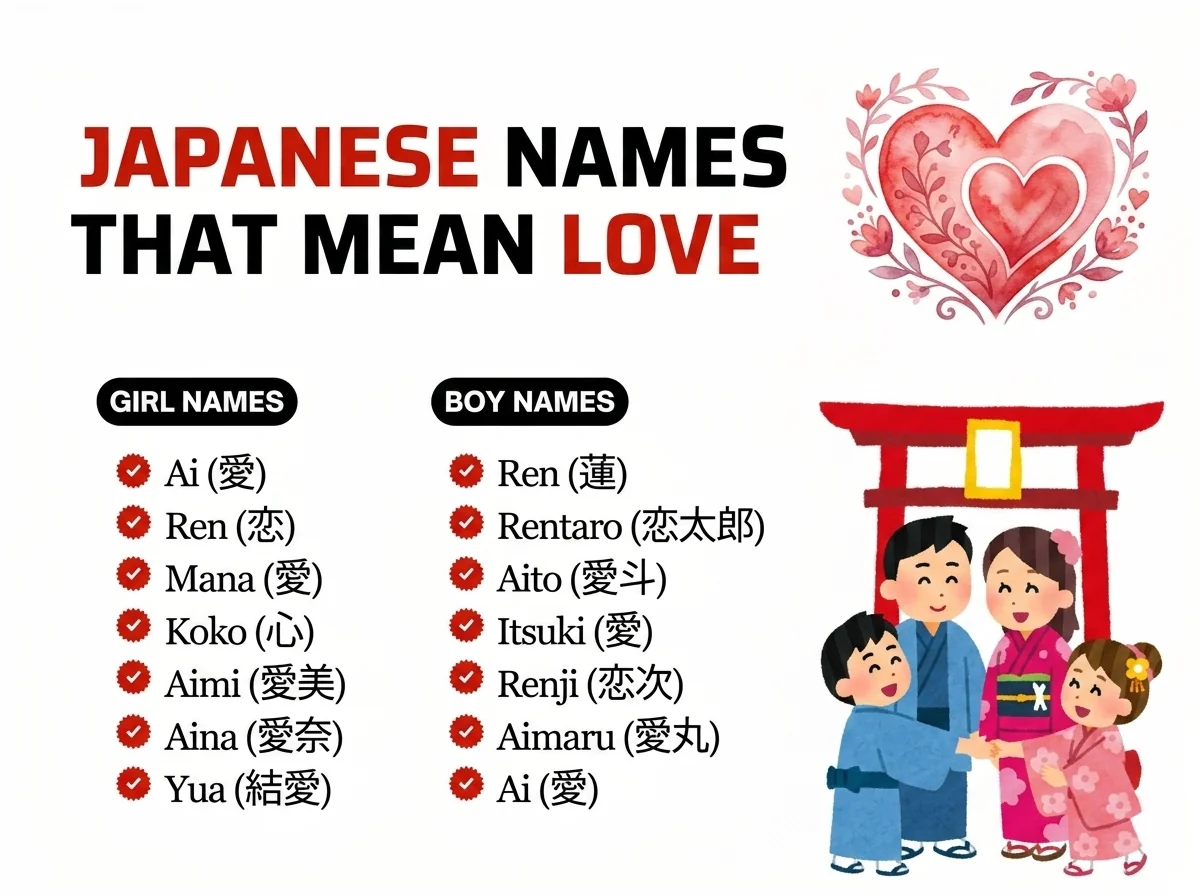
" It speaks to deep affection, tenderness, and a devotion that shapes how a child is seen from their very first breath.
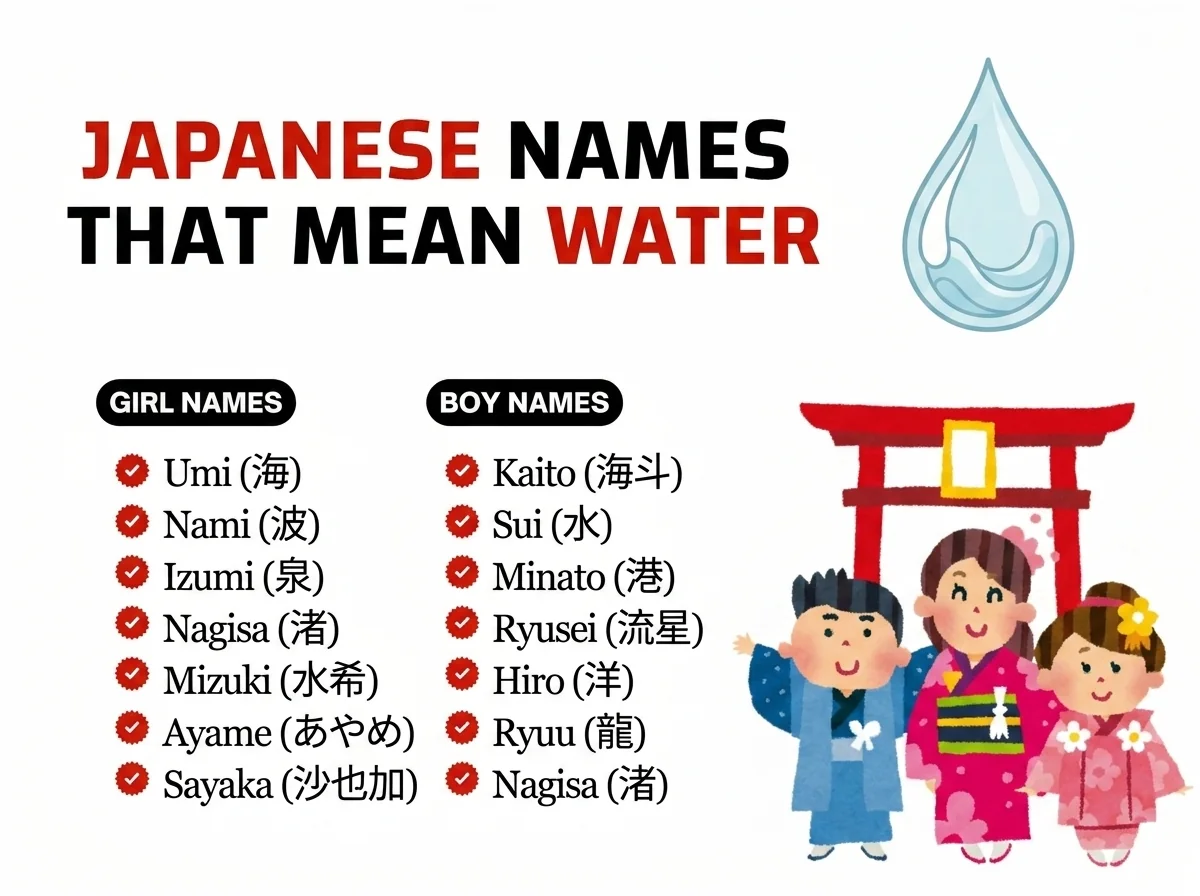
Water runs through Japanese culture in a way few other elements do.
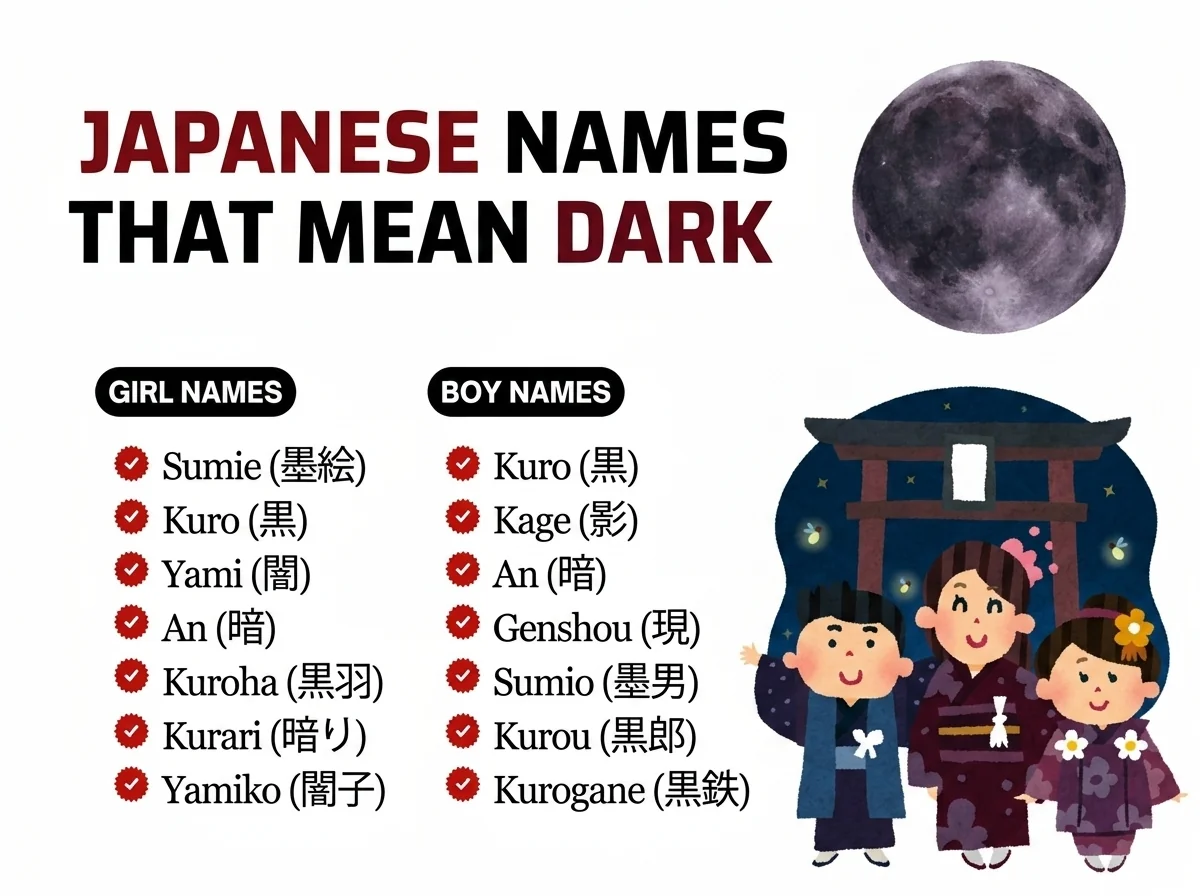
Darkness in Japanese culture carries a different weight than in the West. It is not something to fear.
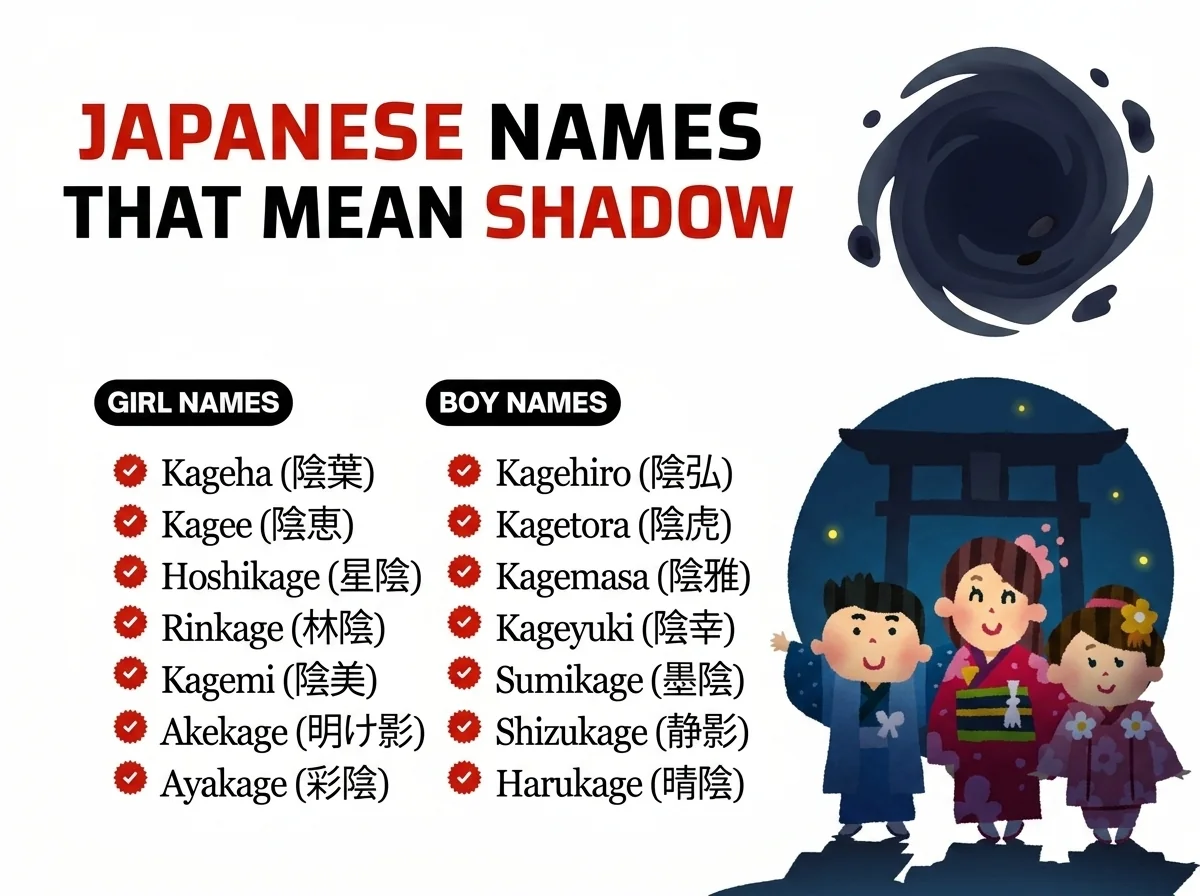
Shadow holds a complicated place in Japanese culture. It is not something to fear. In traditional aesthetics, shadow creates depth, subtlety, and quiet beauty.
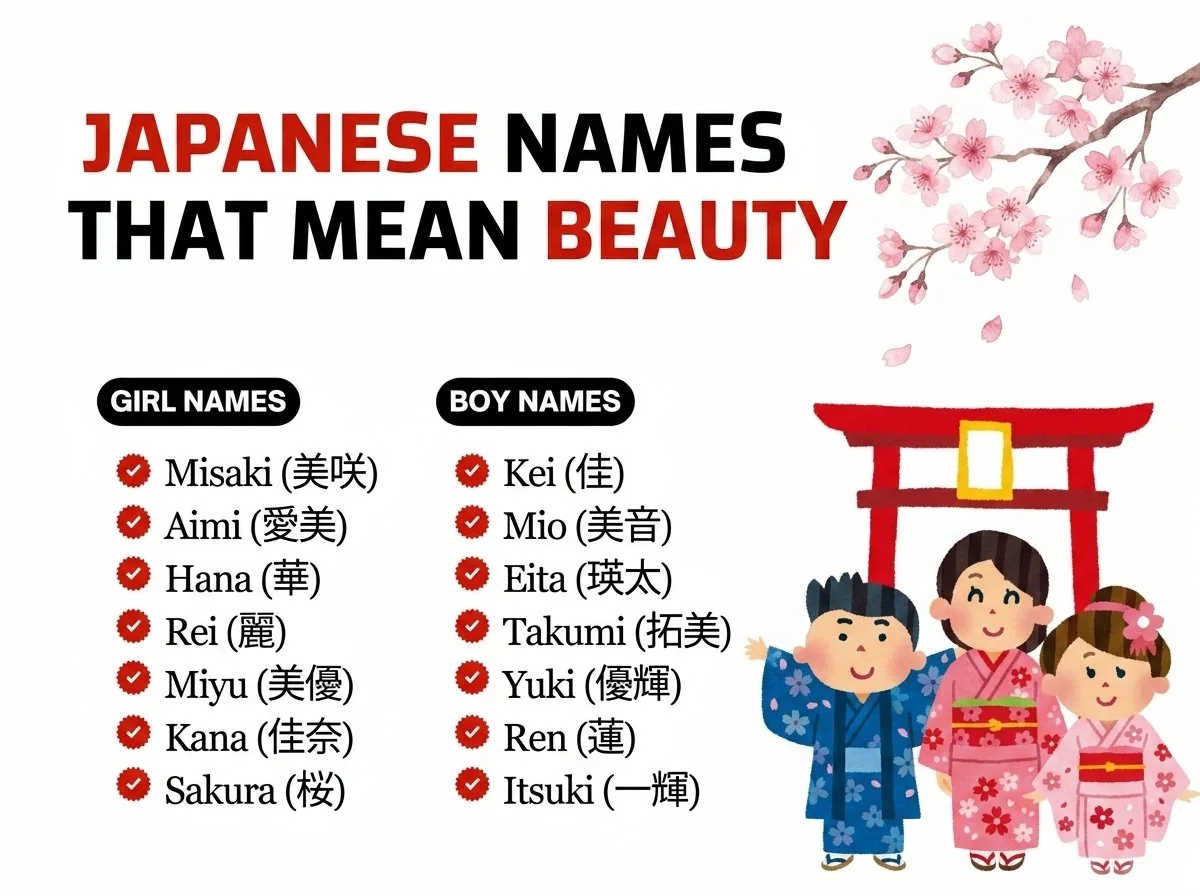
The kanji 美 sits at the heart of Japanese naming tradition. It carries a meaning that goes well beyond surface appearance.