Japanese60+ names
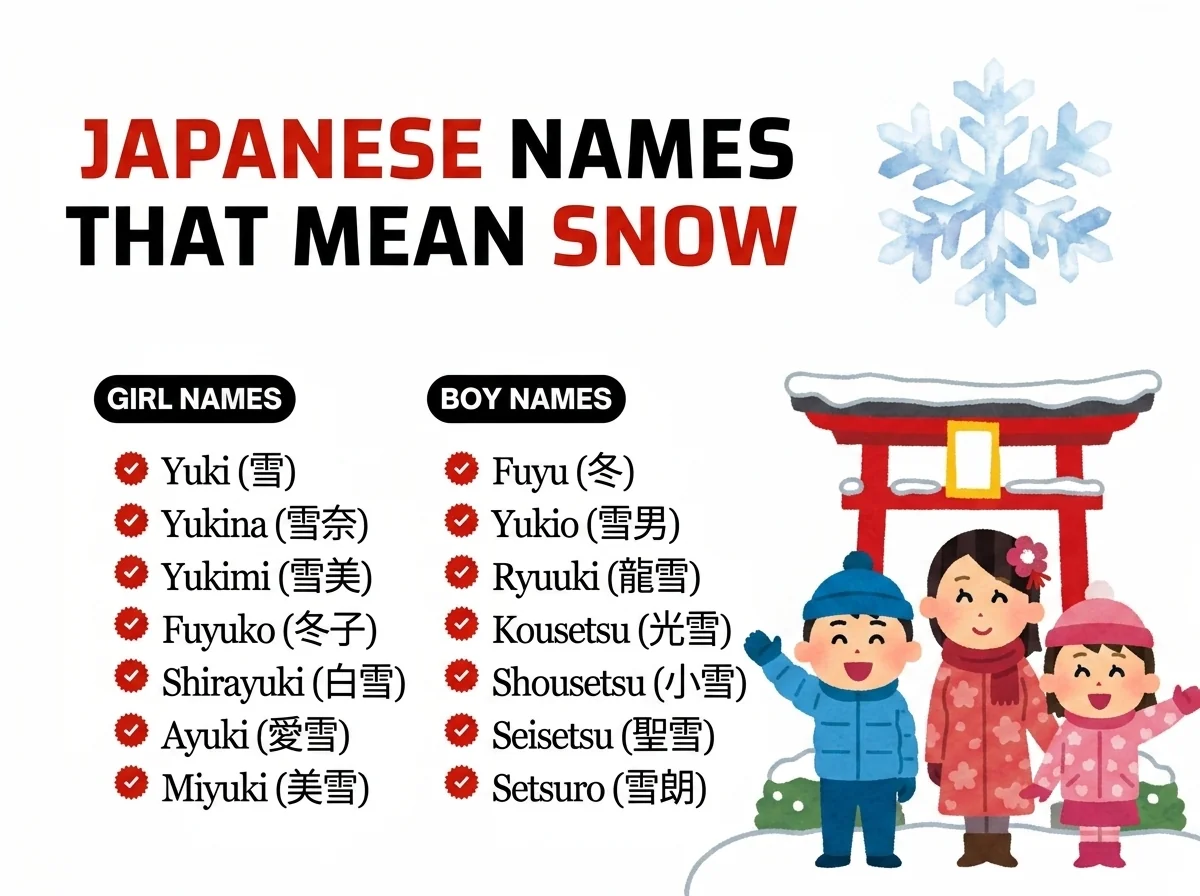
60+ Japanese Names Meaning Snow (With Meanings)
Snow holds a special place in Japanese culture. From the quiet tradition of yukimi (snow viewing) gatherings to the hushed stillness of a Hokkaido winter…
7 min read
Category · 32 guides · Page 2 of 3
Japanese names written in kanji and explained properly — readings, characters, and the cultural weight each name carries.

Snow holds a special place in Japanese culture. From the quiet tradition of yukimi (snow viewing) gatherings to the hushed stillness of a Hokkaido winter…
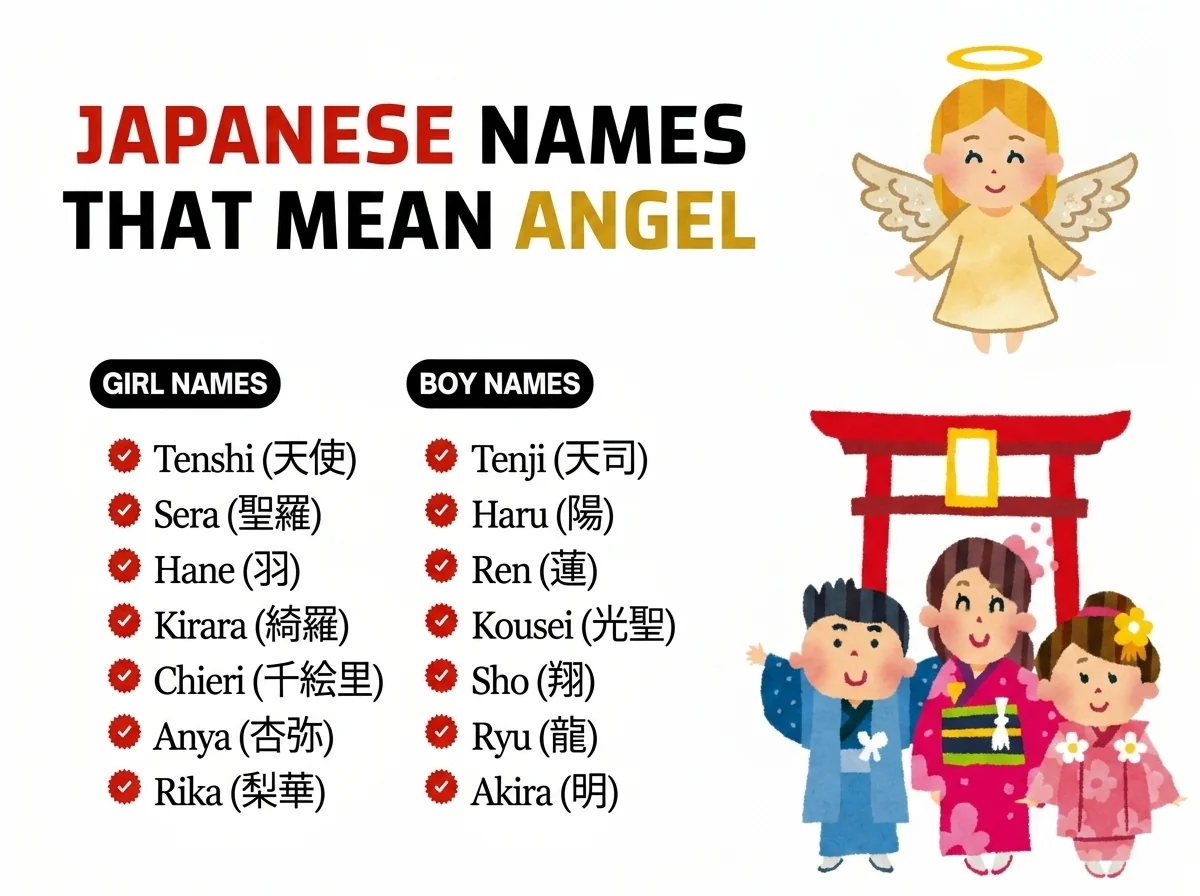
The concept of an angel arrived in Japan through Christian missionaries and Western literature, which means traditional Japanese naming culture doesn't have…
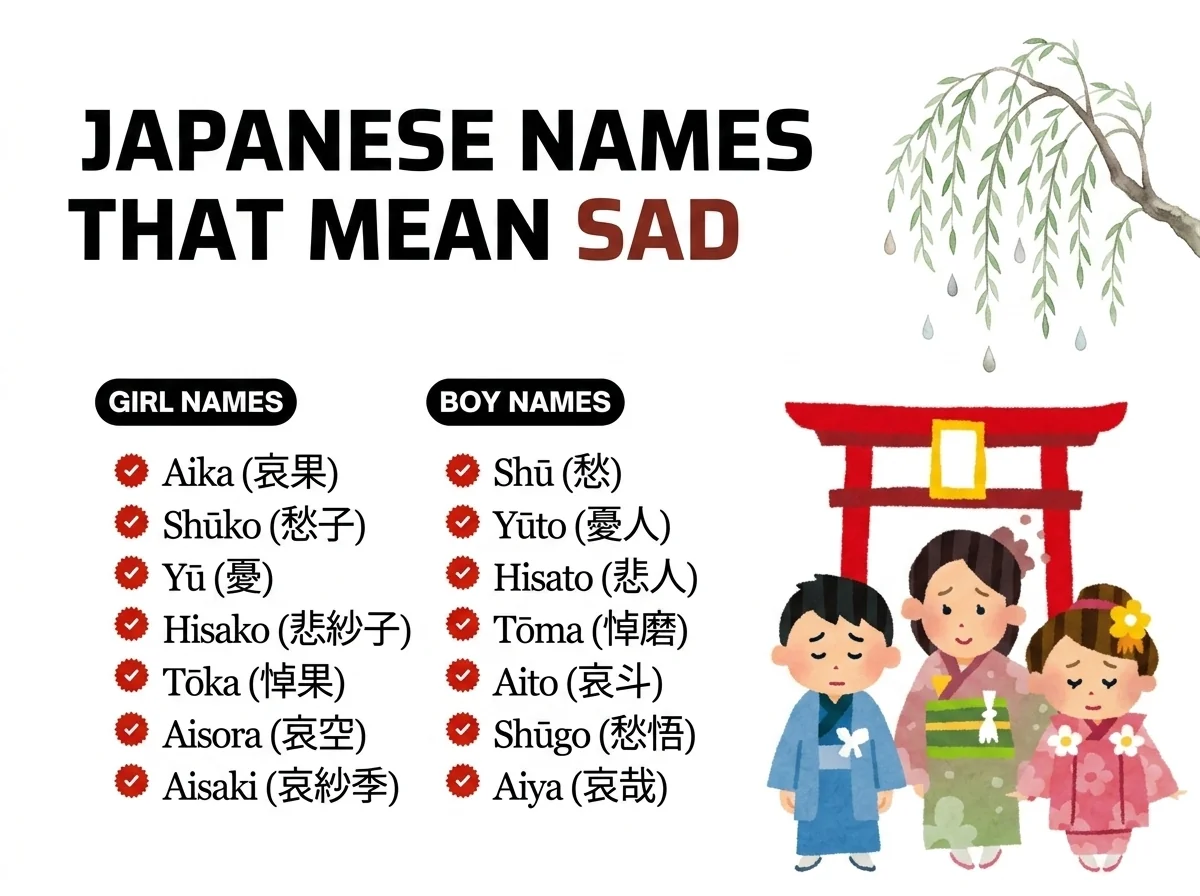
Sadness is not a meaning most parents actively seek in a baby name. Yet in Japanese naming tradition, sorrow carries a weight that goes beyond simple grief.
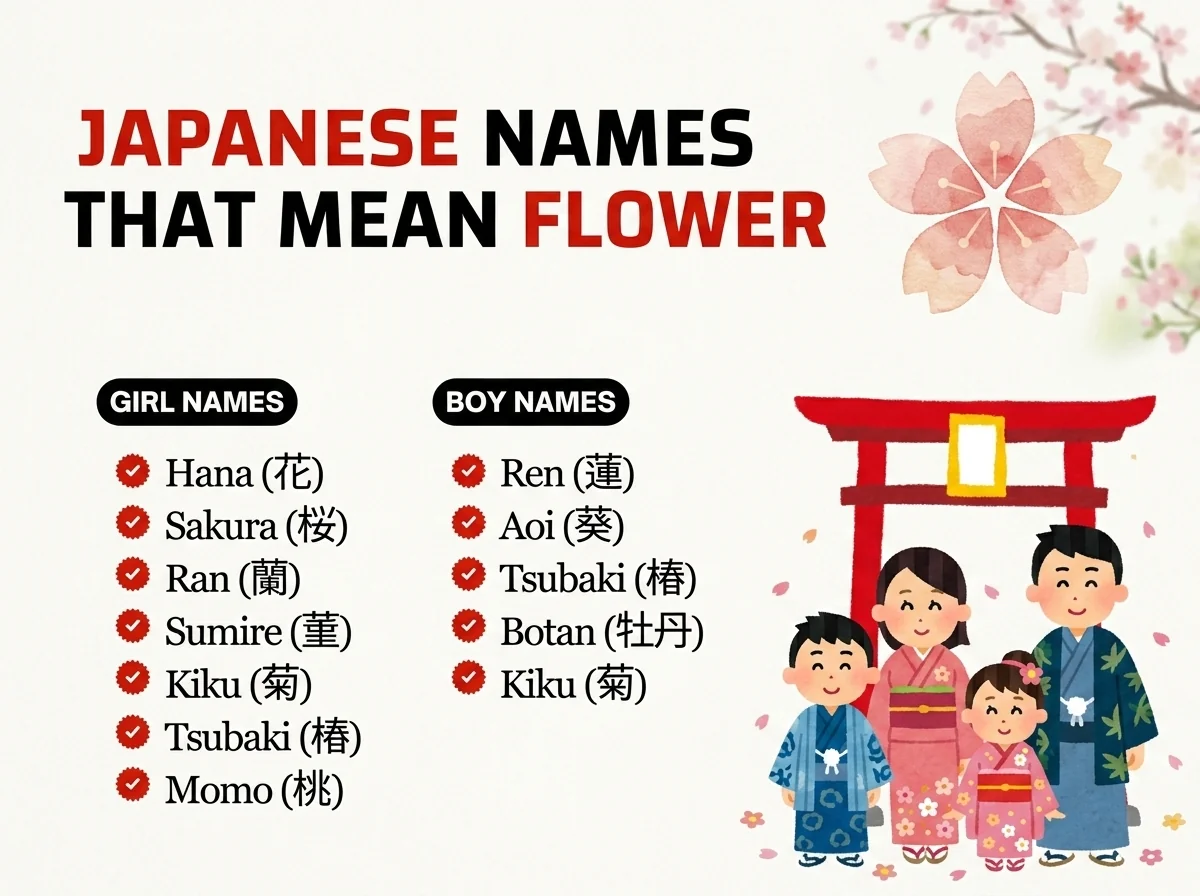
Flowers hold a special place in Japanese culture. From the cherry blossoms that draw millions each spring to the chrysanthemum on the imperial seal, blooms…
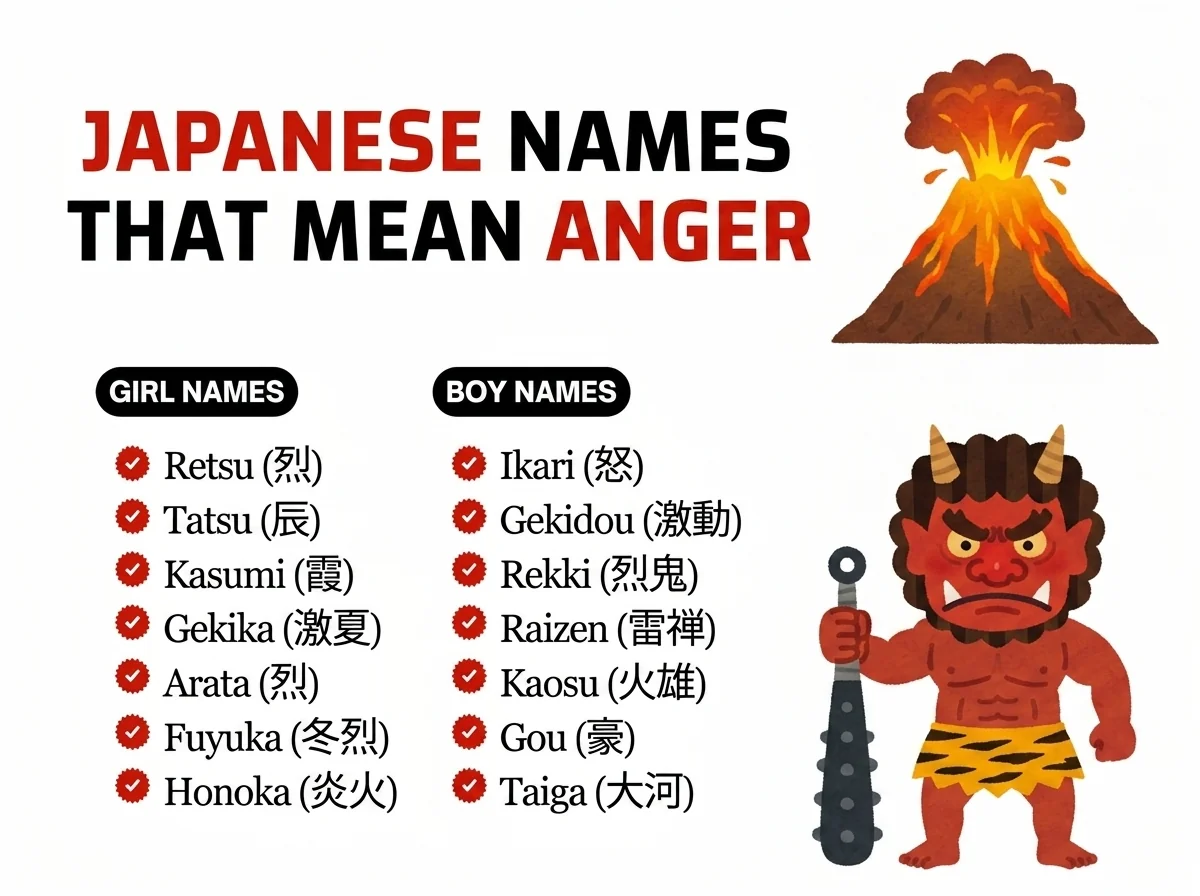
Anger is a raw, primal emotion, and very few cultures encode it directly into baby names. Japan is no exception.
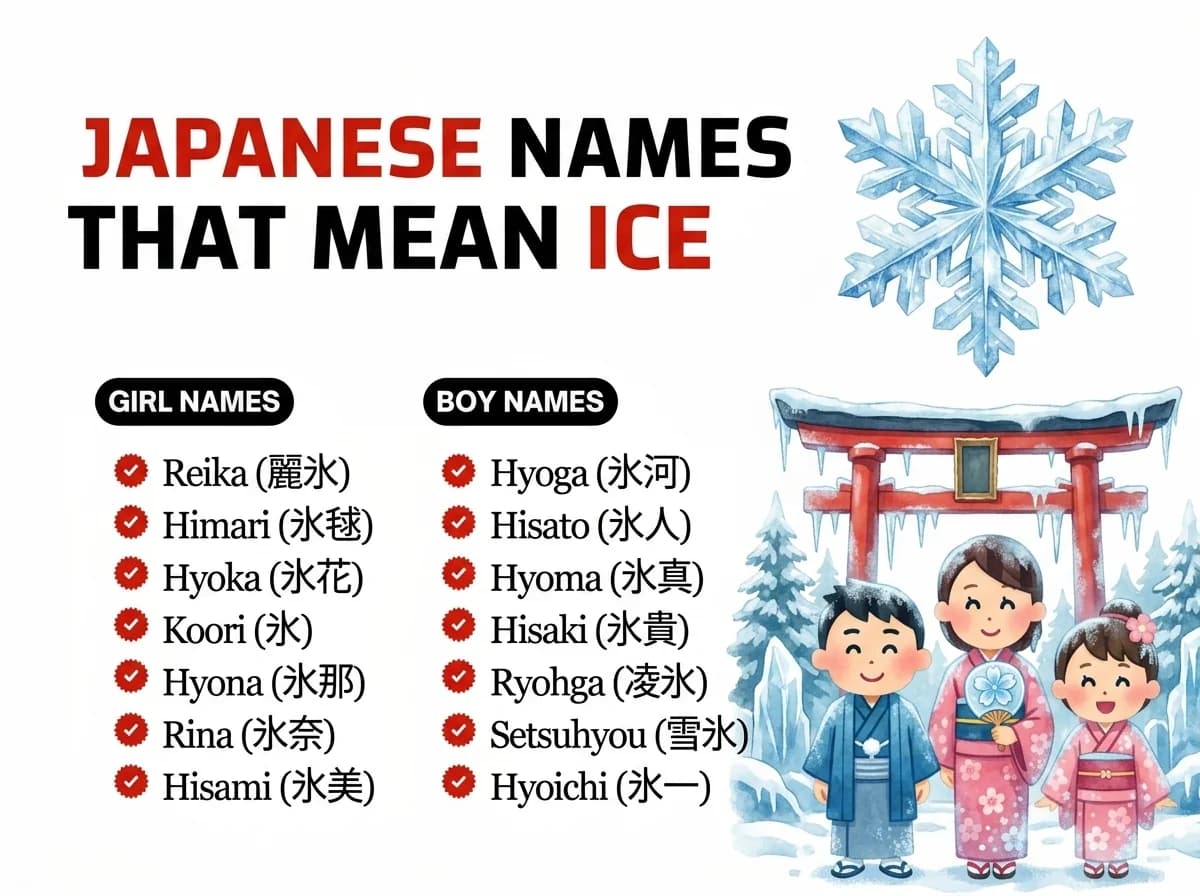
Ice holds a quiet power in Japanese culture. The kanji 氷 (kōri) evokes stillness, clarity, and the sharp beauty of winter mornings in Hokkaido.
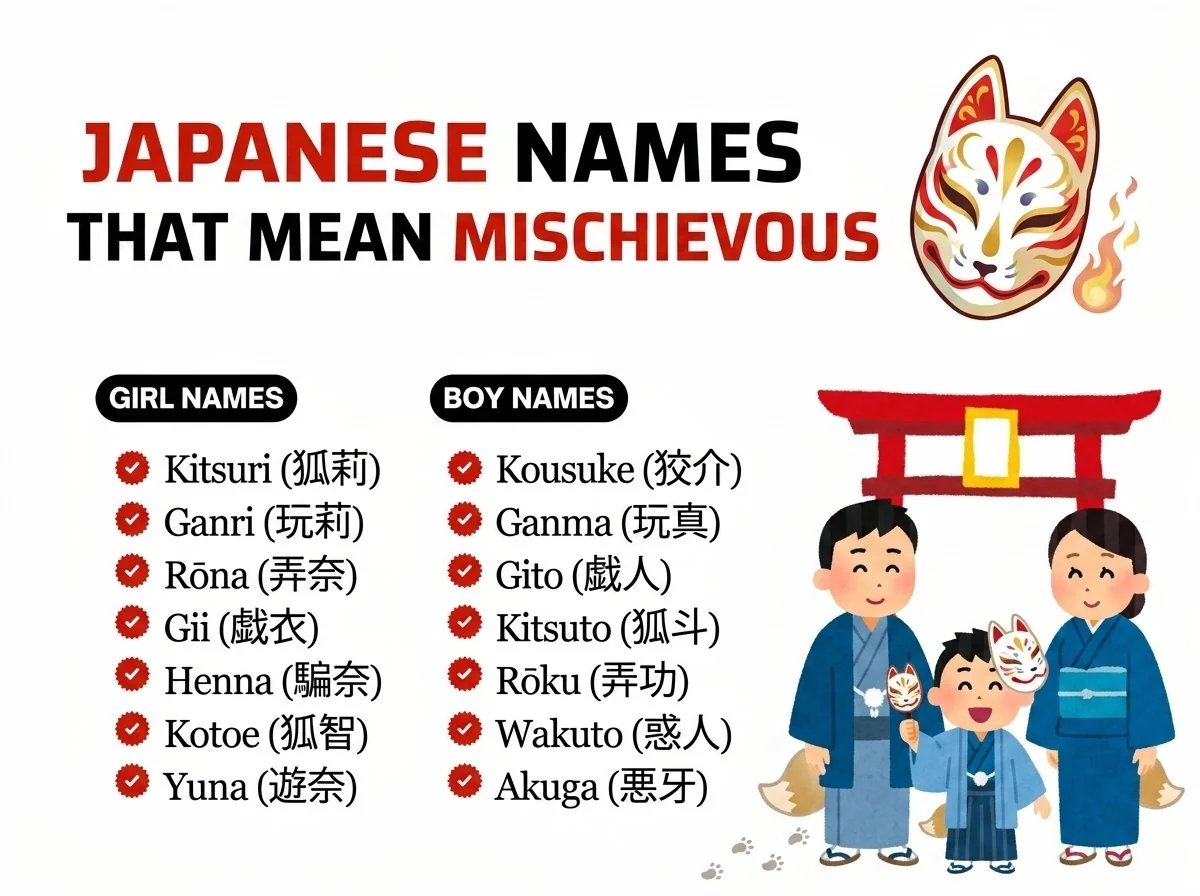
Japanese naming tradition leans heavily toward meanings like beauty, strength, and nature.
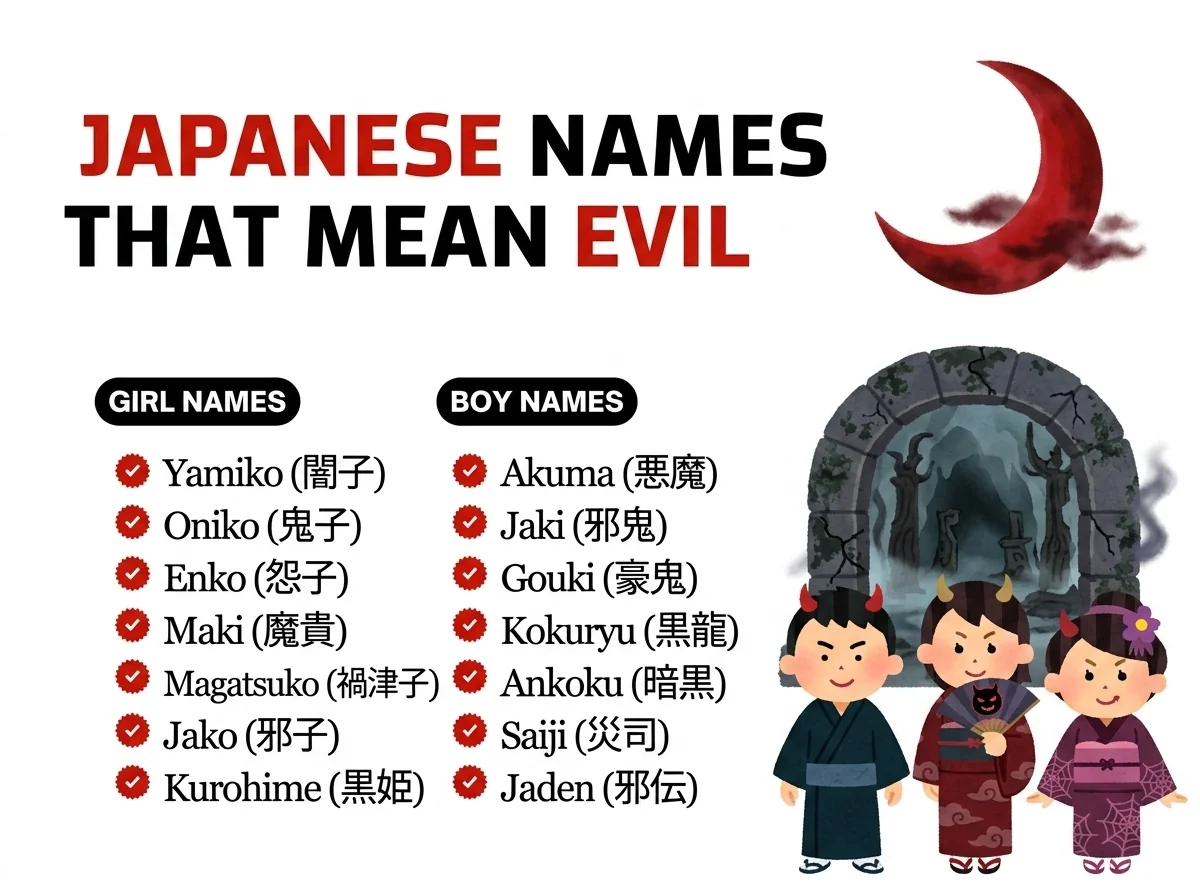
Japanese naming tradition overwhelmingly favors positive meanings like beauty, strength, and nature.
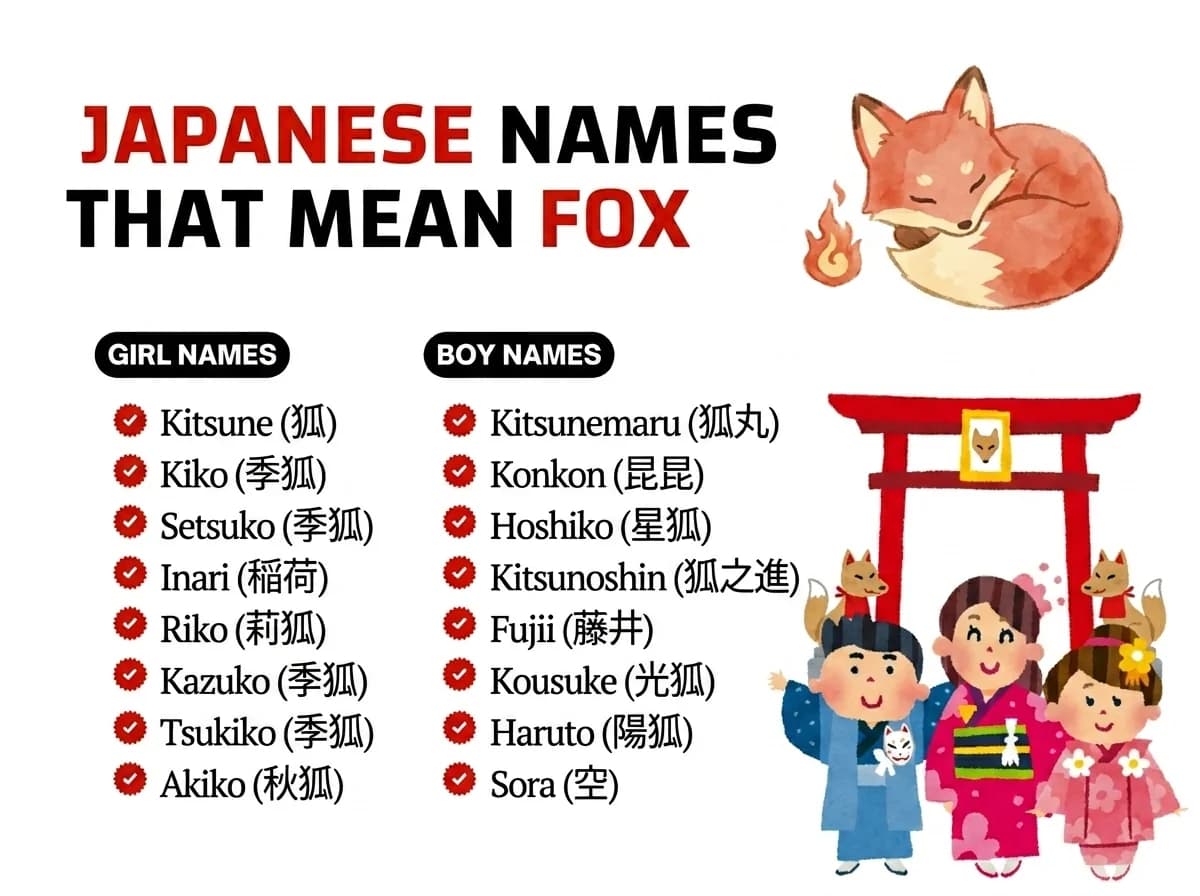
The fox holds a complicated place in Japanese culture. Kitsune are shape-shifters, tricksters, and sacred messengers of the Shinto deity Inari.
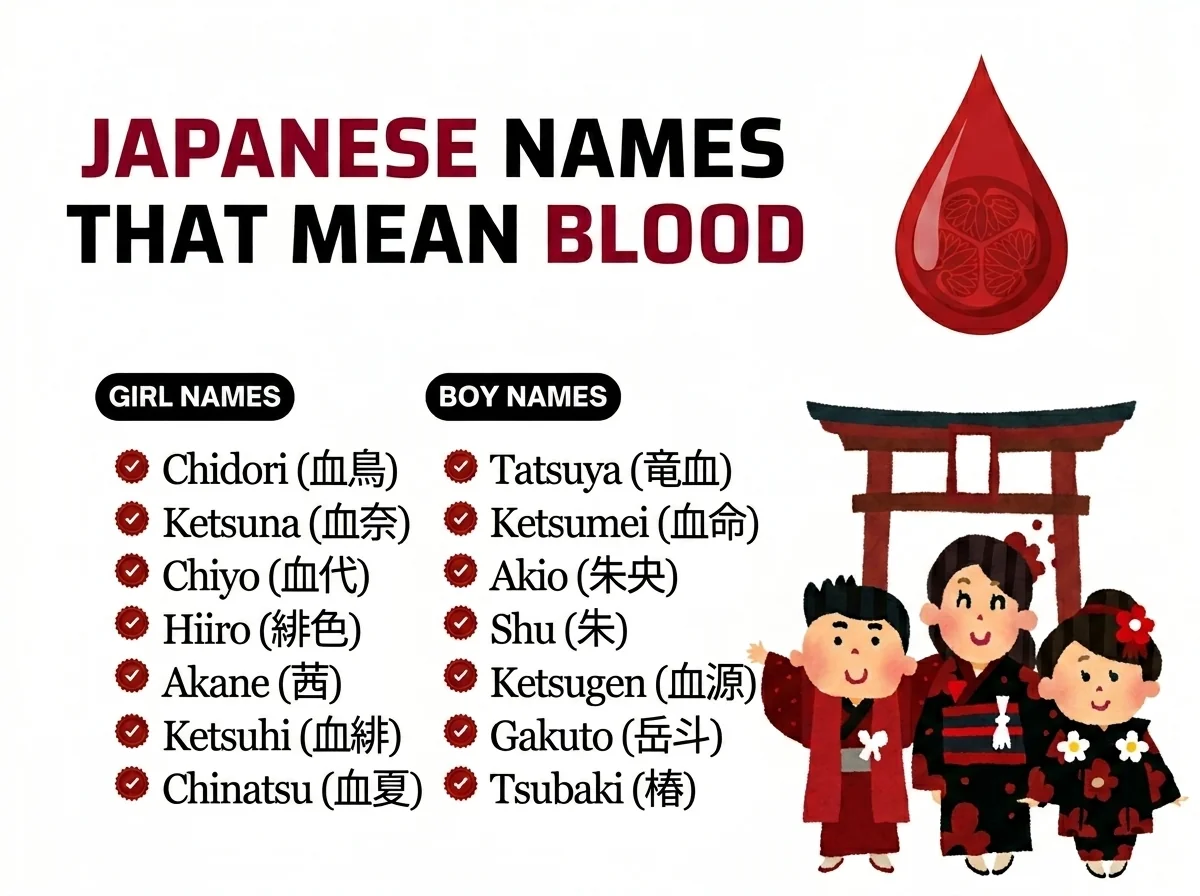
Blood holds a complicated place in Japanese naming tradition. The kanji 血 (chi) carries weight that goes far beyond the physical.
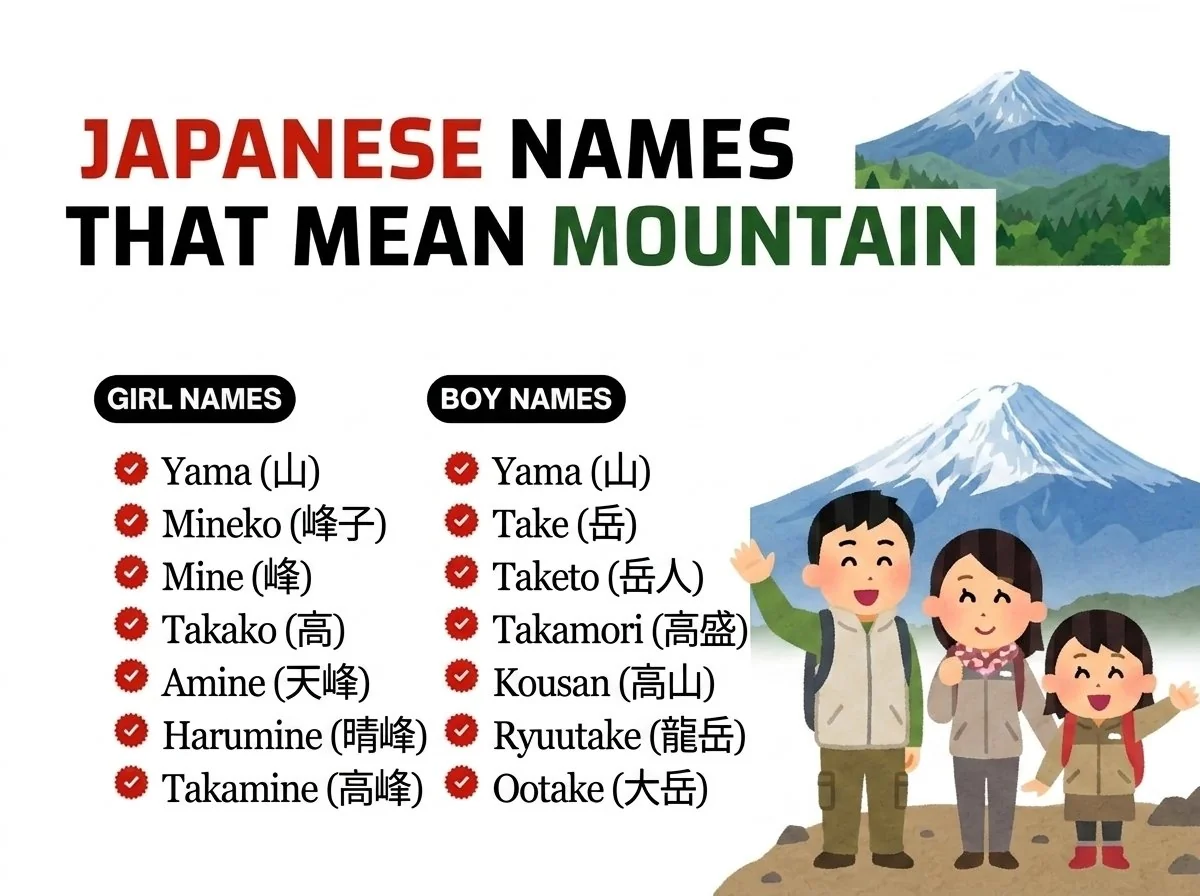
Mountains hold deep spiritual meaning in Japanese culture. From the sacred slopes of Mount Fuji to the misty ridgelines of the Japanese Alps, these towering…
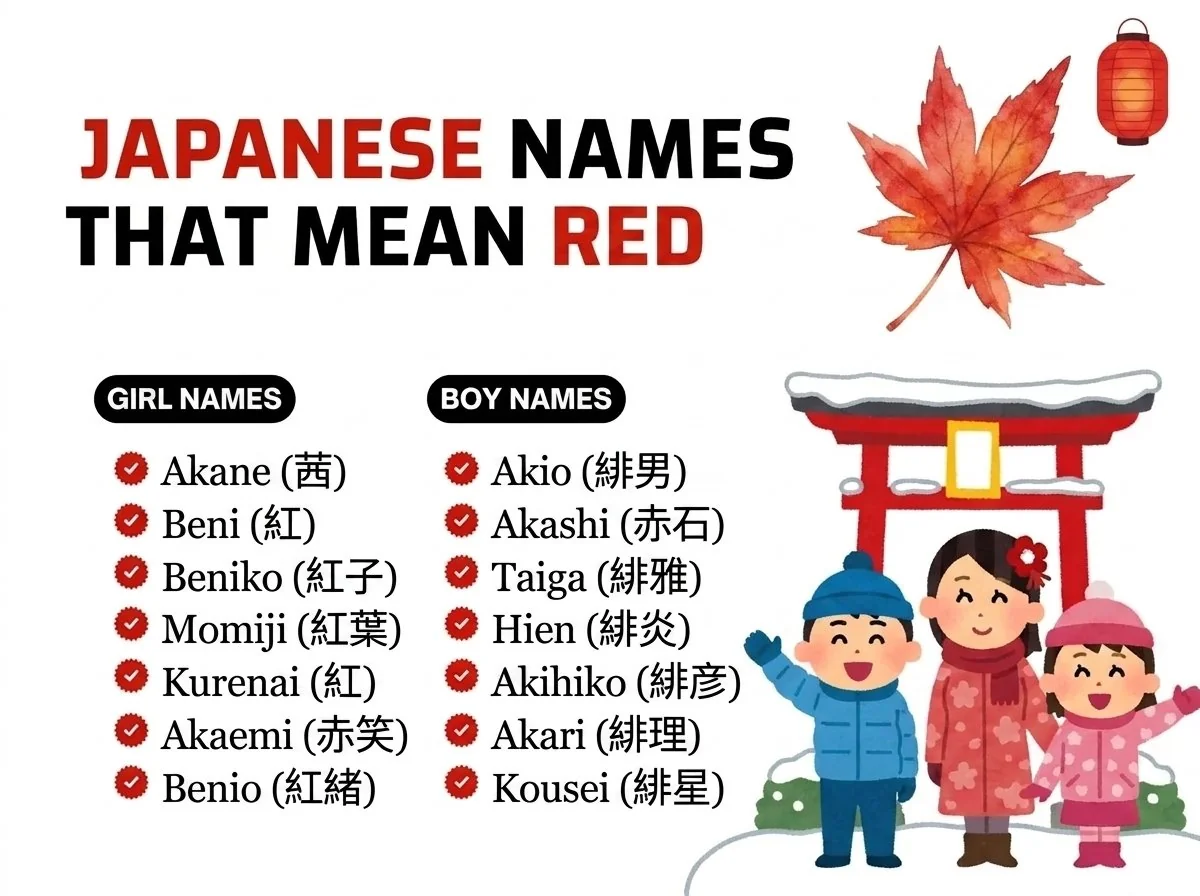
Red holds a special place in Japanese culture. It shows up on torii gates, in festival decorations, and woven into centuries of art and poetry.