Names105+ names
105+ Sunrise Baby Names Meaning Dawn (With Meanings)
There is something quietly hopeful about the word dawn. It marks the exact moment darkness gives way to light — not a sudden explosion, but a slow, certain…
11 min read
Theme · 26 guides
Names inspired by the sun, moon and stars, by dawn and dusk, and by the passing of time.
People have named their children after the sky for as long as they have looked up at it. The sun and moon set the rhythm of farming and worship, stars guided travelers across deserts and oceans, and the hours of dawn, dusk and midnight shaped daily life. This hub collects every guide we have written on celestial and time-related names: star, sun, moon, galaxy, space, eclipse, dawn, dusk, midnight, night, light, time, eternity and the void, along with the zodiac sign Leo.
The vocabulary is wonderfully international. Latin gave us names such as Stella (star), Luna (moon) and Aurora (dawn); Greek offers Helios and Selene, the sun and moon personified; Arabic contributes Najm for star and Qamar for moon; and Japanese builds names from Hoshi (star), Tsuki (moon) and Hikari (light), while Hinata evokes a sunny place. Many parents also turn to constellation and star names such as Orion, Lyra, Vega and Altair, which sound modern while resting on ancient astronomy.
Names about time and light carry a different mood. Names that mean dawn or light suggest hope and new beginnings, dusk and midnight names feel quieter and more mysterious, and names built on eternity or time appeal to families who want something reflective. Our Japanese guides show how the same ideas travel through kanji, where the characters for sun, moon and light appear in many otherwise very different names.
When comparing options, notice the sound as well as the meaning. Soft, open vowels such as Luna and Stella read as gentle, while consonant-heavy names such as Orion and Altair feel stronger. Check each name's origin before you commit, since a star name in one language may carry an unrelated meaning in another. The guides below give girl, boy and unisex lists plus names sorted by culture, so you can compare the same celestial idea across baby names, Japanese names and surnames.
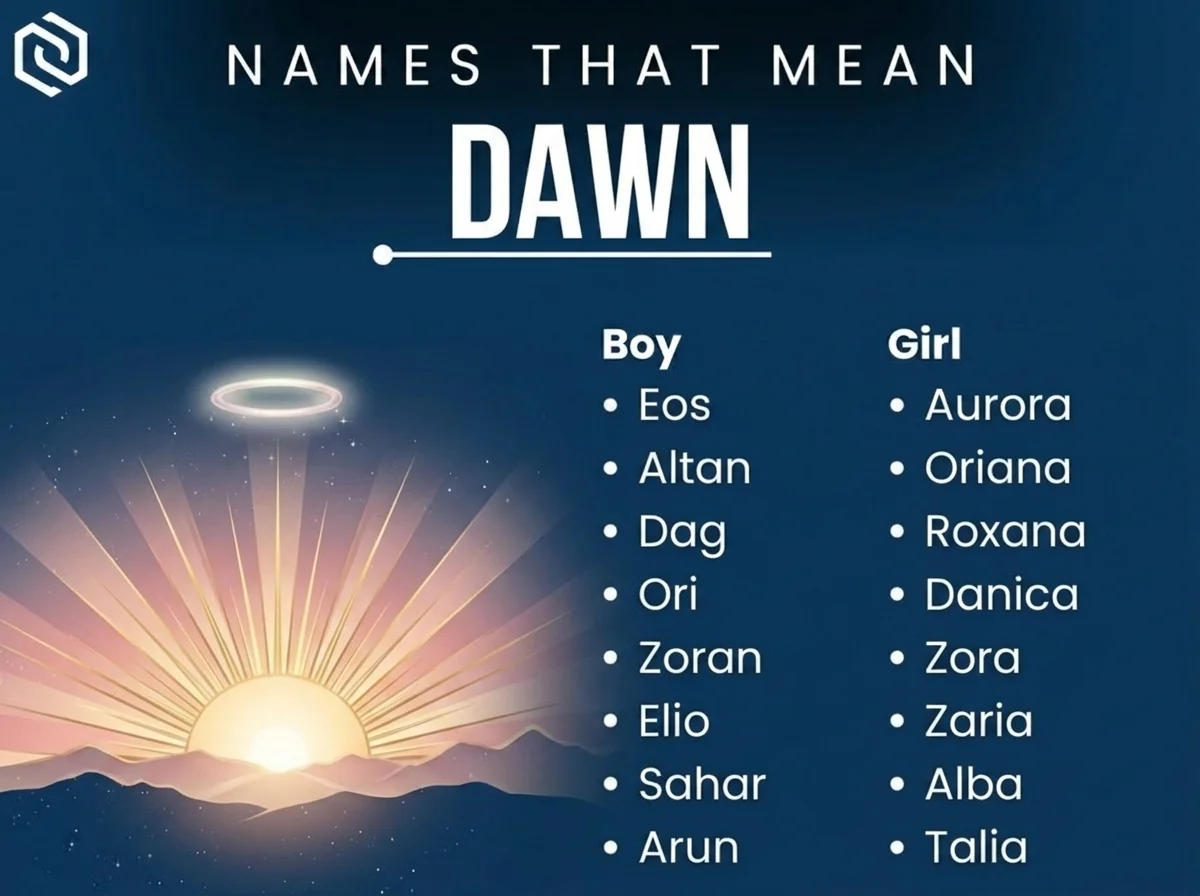
There is something quietly hopeful about the word dawn. It marks the exact moment darkness gives way to light — not a sudden explosion, but a slow, certain…
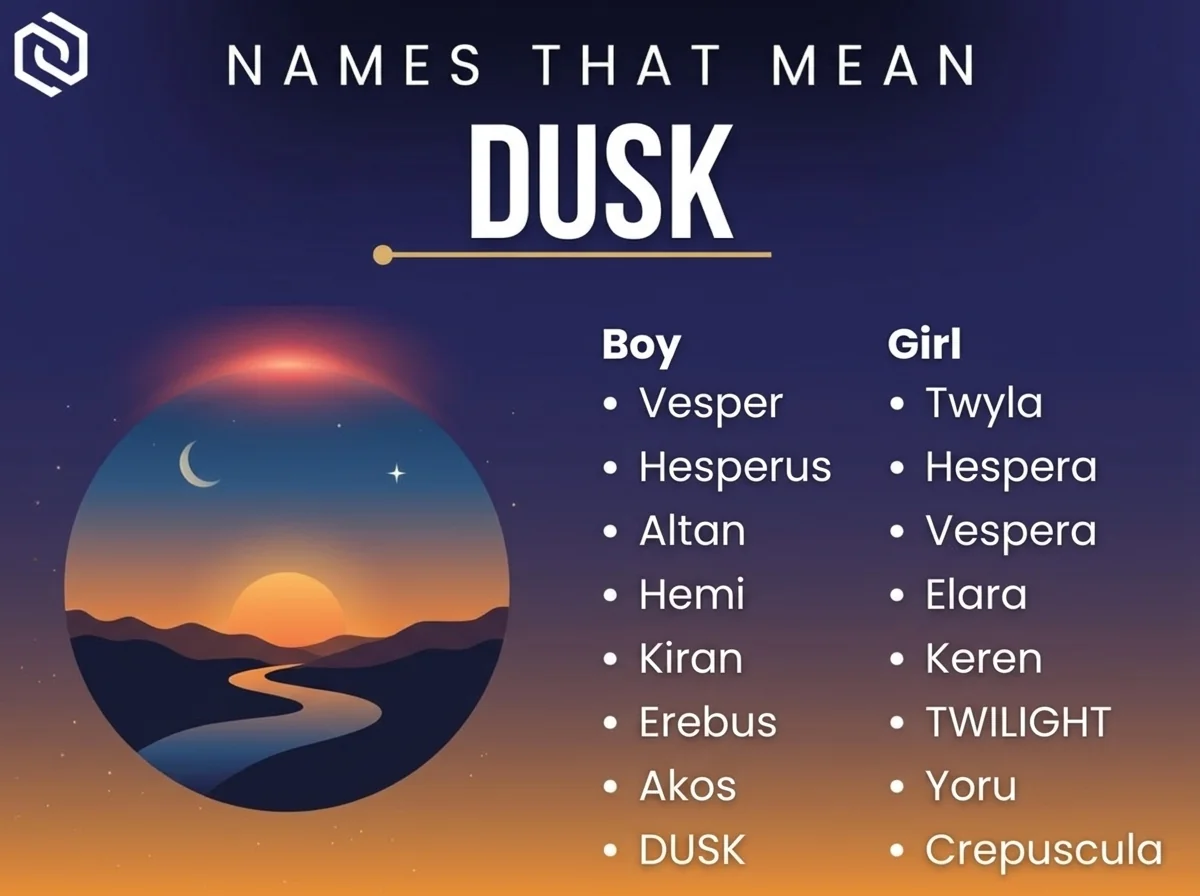
Dusk is one of those moments in the day that's hard to put into words. It's not quite night, not quite day.
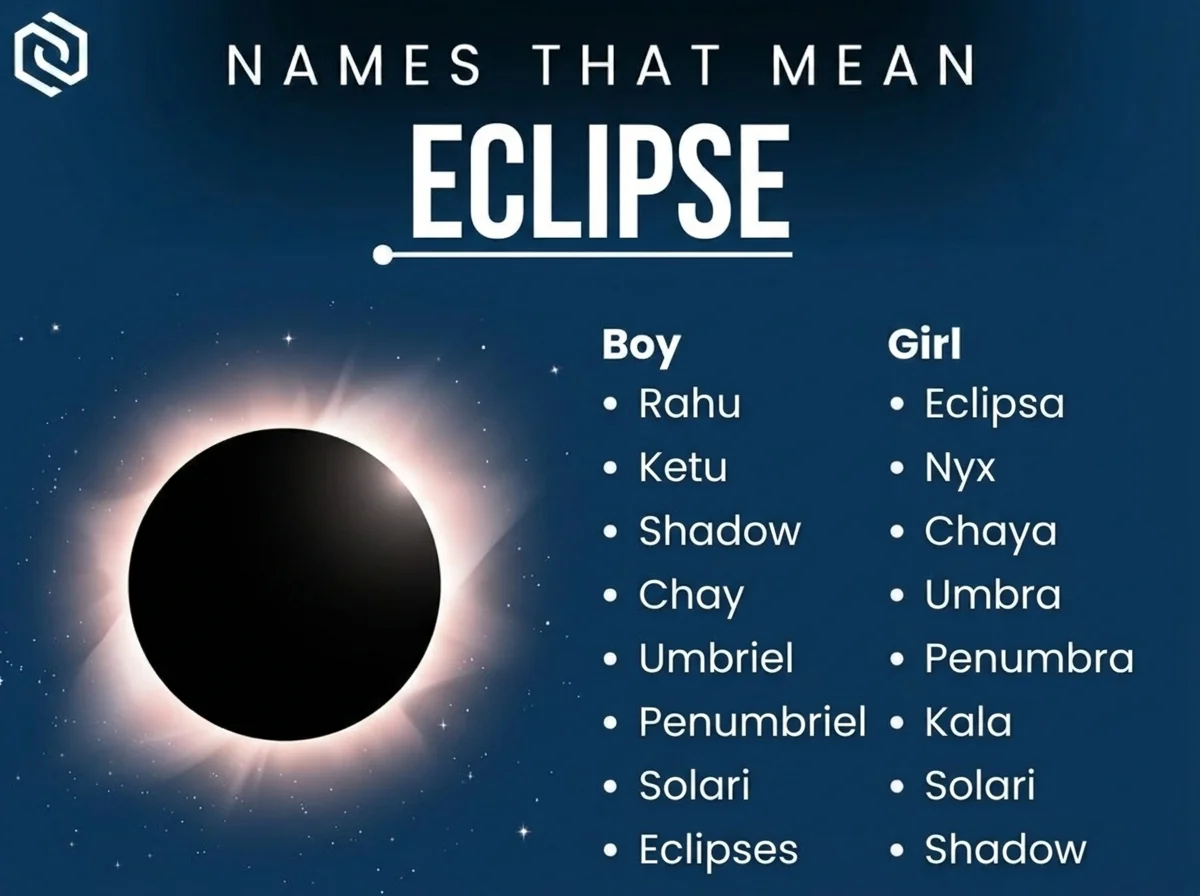
An eclipse is one of the most dramatic events the sky can produce.
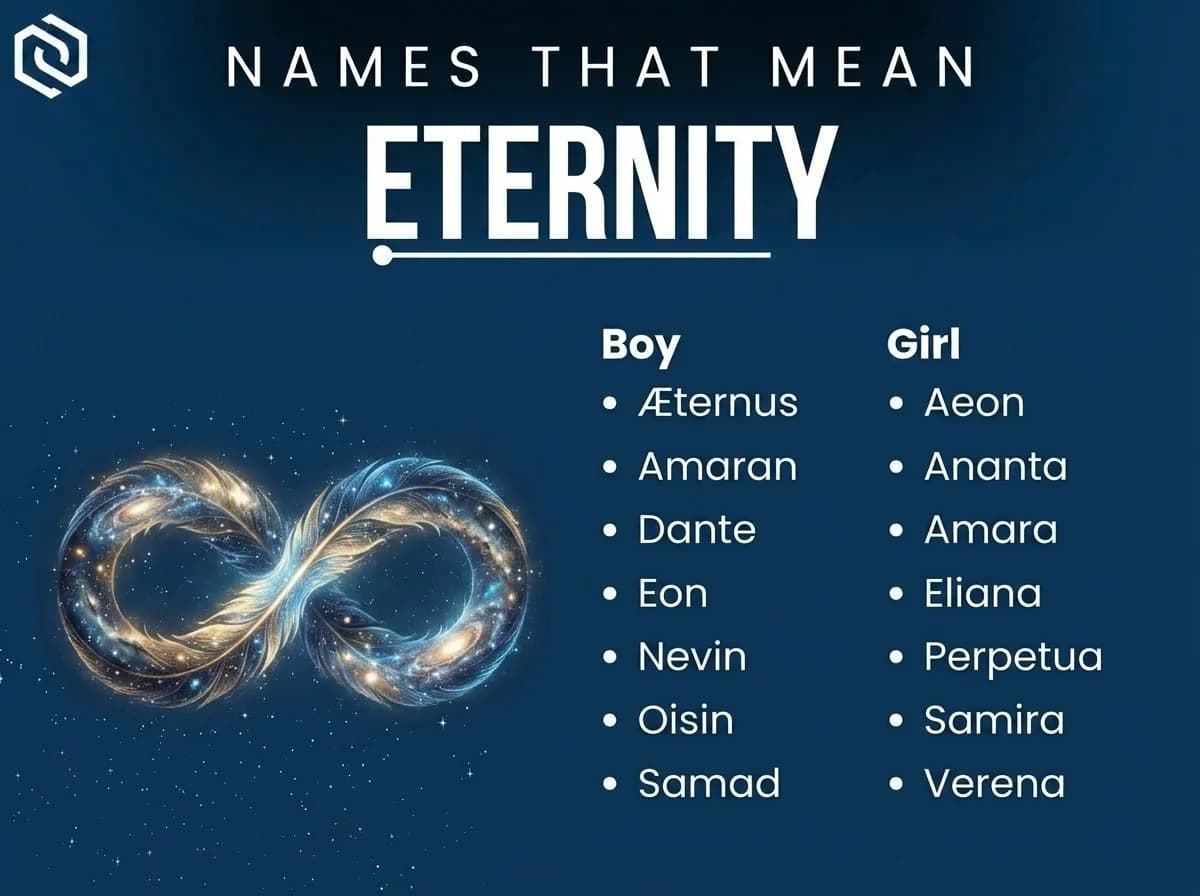
Eternity is one of those concepts that feels almost too big for a single name.
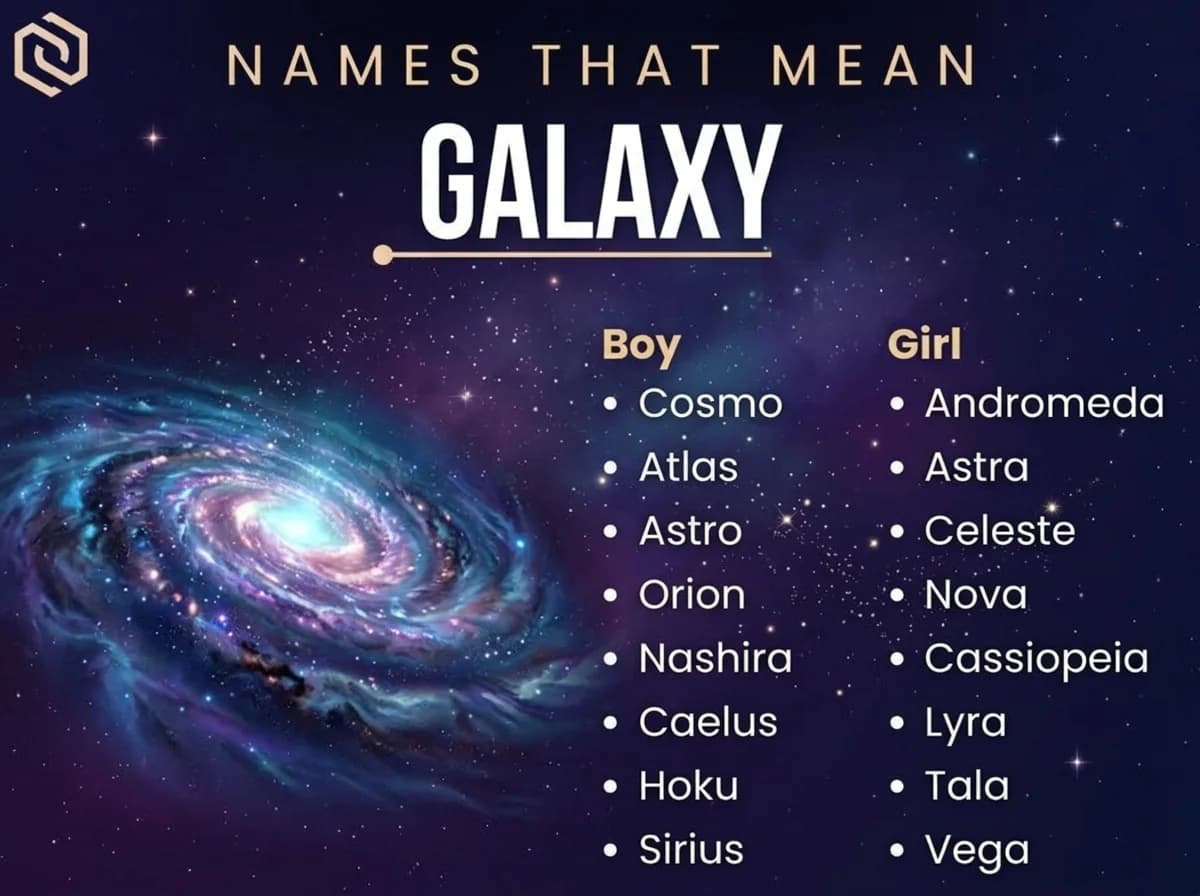
There is something genuinely humbling about the word galaxy.
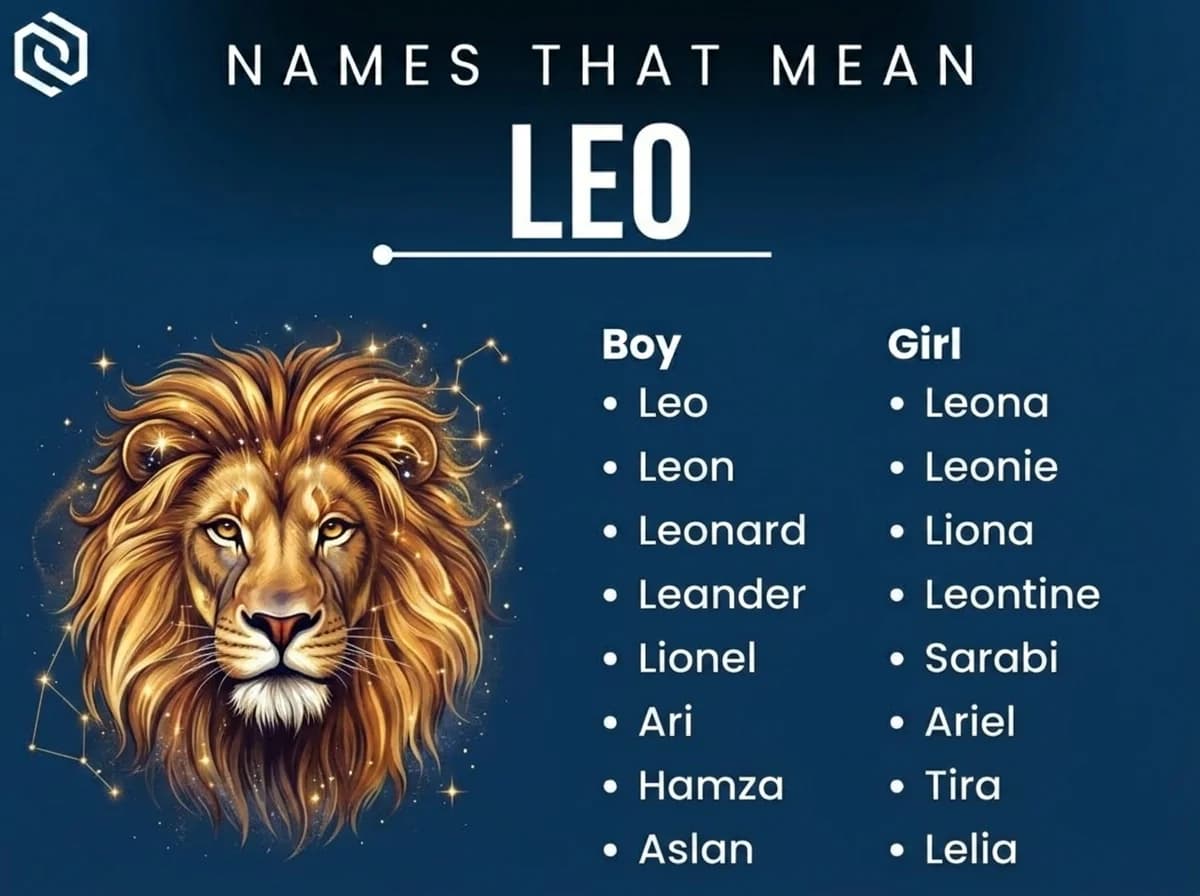
Leo means lion in Latin, and that regal symbolism has echoed across naming traditions for thousands of years.
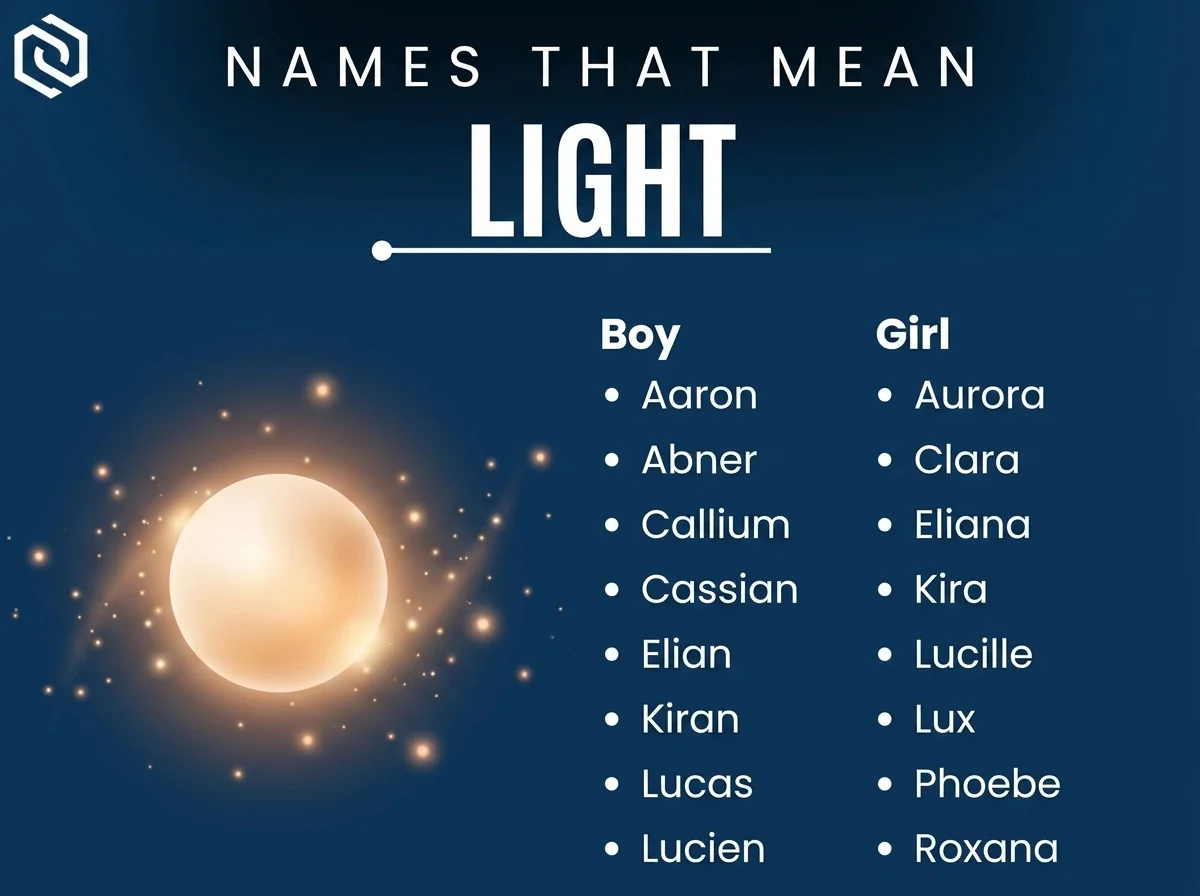
Light represents clarity, hope, and new beginnings. Across nearly every culture, luminous names carry a sense of optimism and warmth.
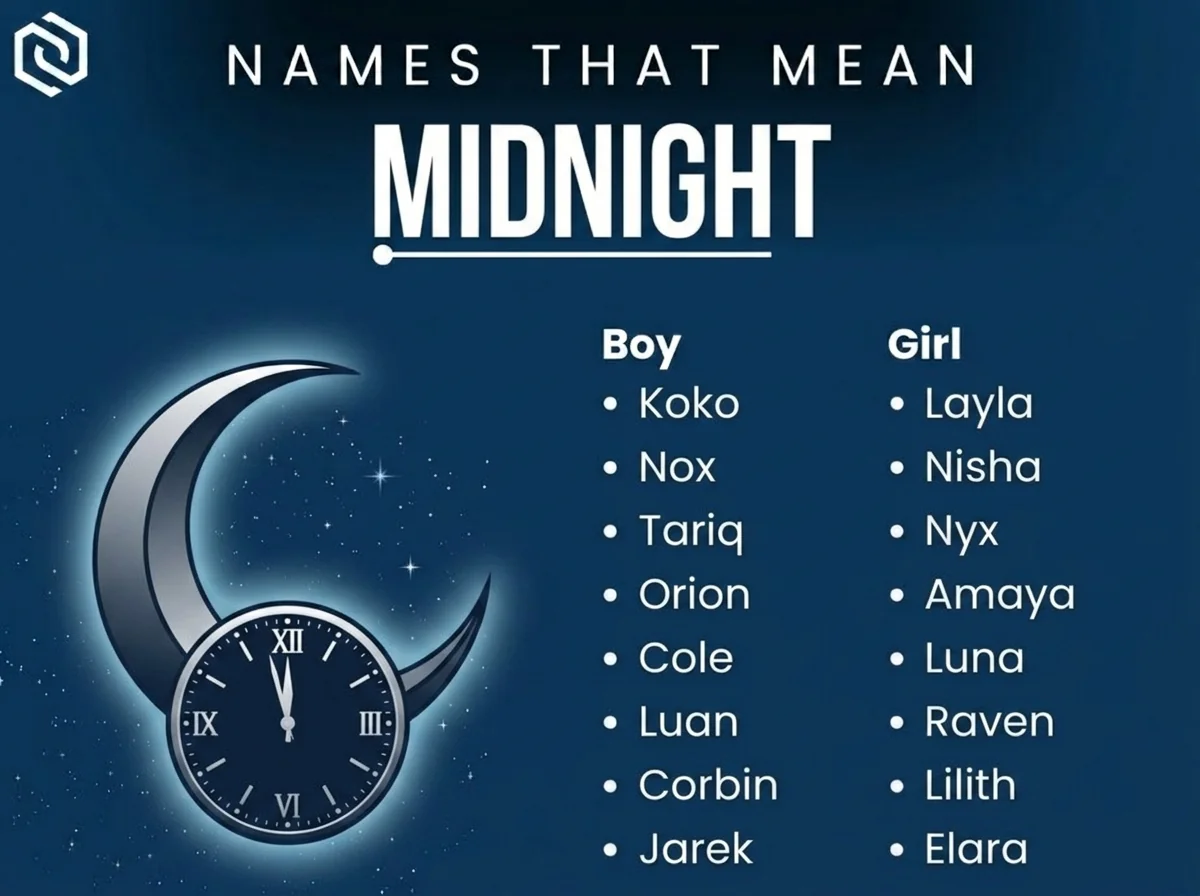
There is something deeply human about naming a child after the threshold moments of a day. Midnight is not just darkness.
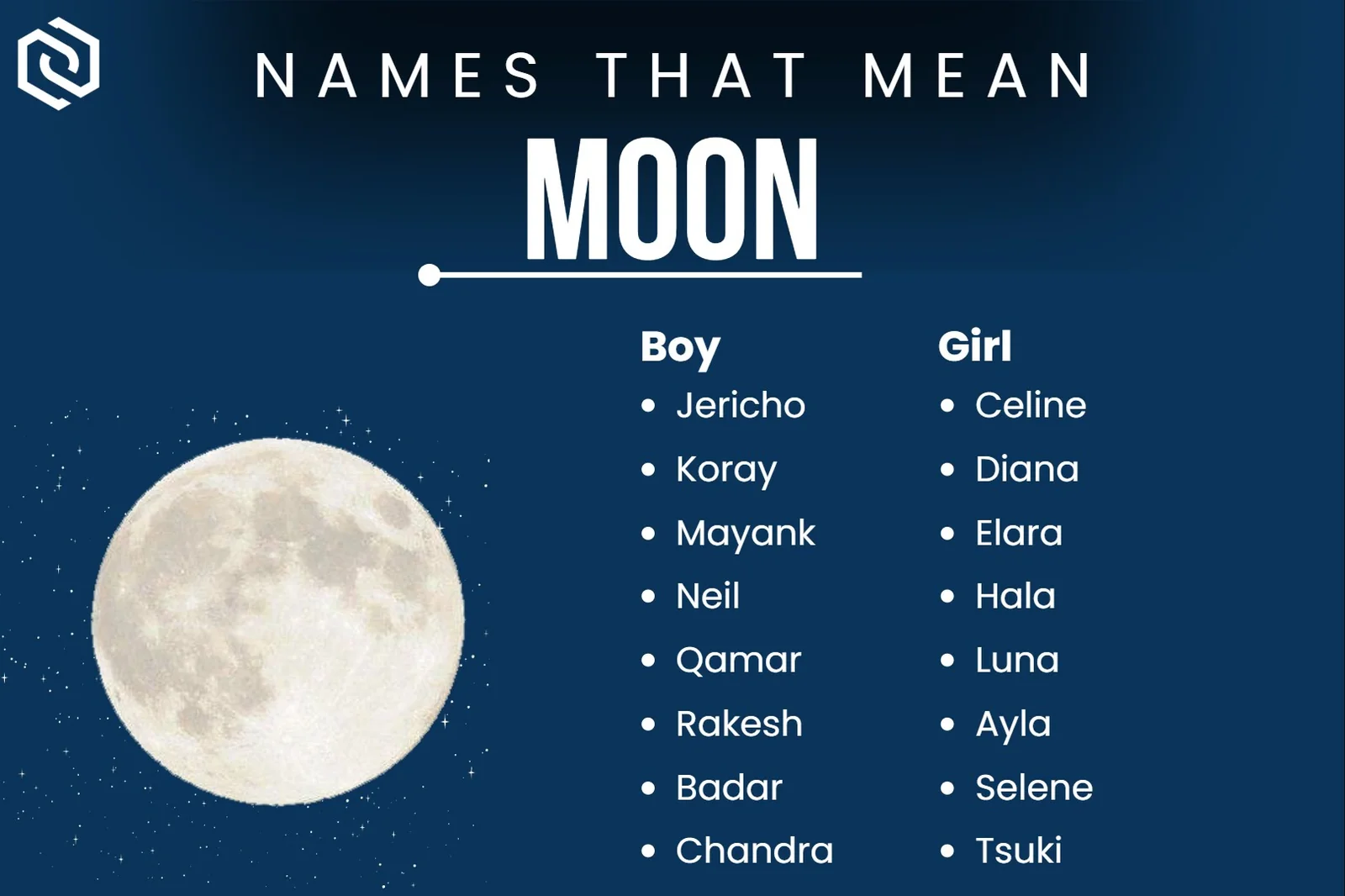
The moon governs tides, marks calendars, and pulls at something ancient in us.
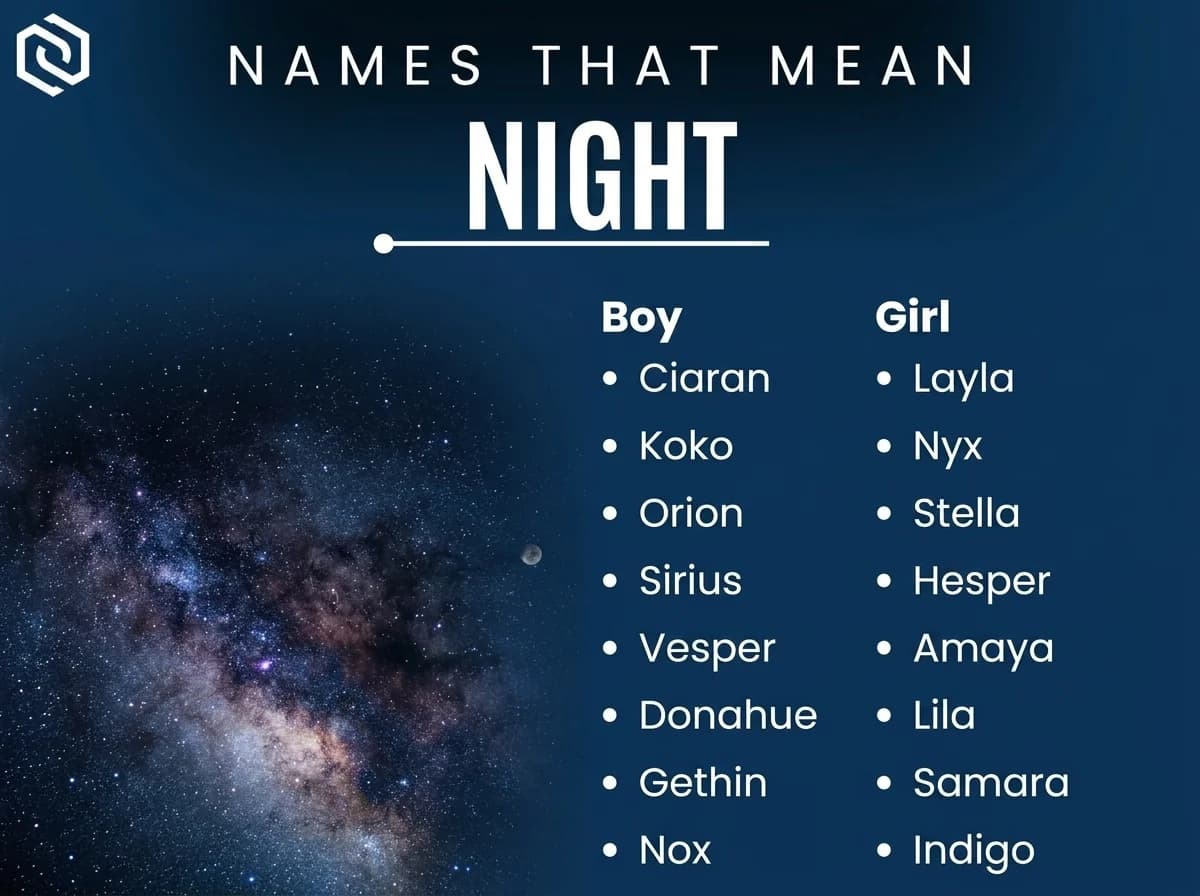
Night has always meant something more than the absence of light.
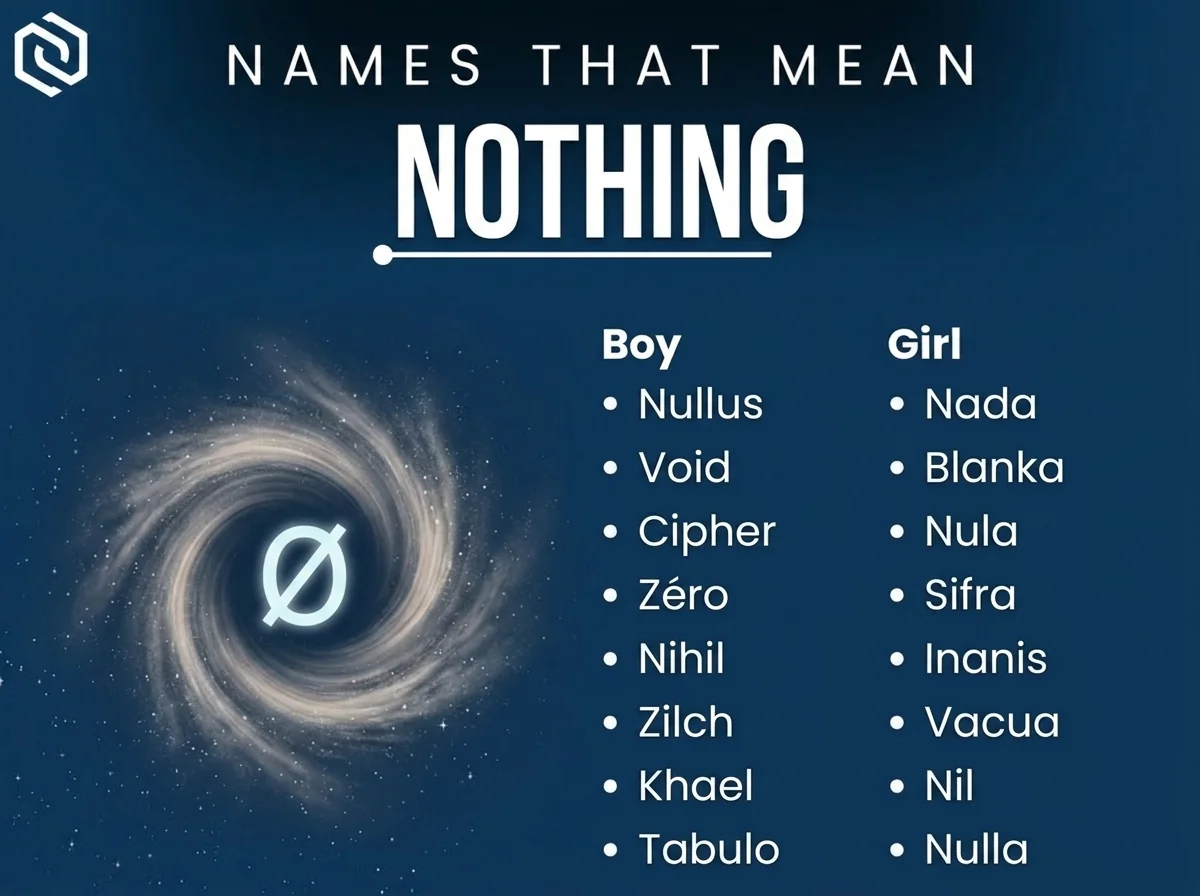
Naming a child after concepts like nothingness, emptiness, or the void might seem counterintuitive at first.
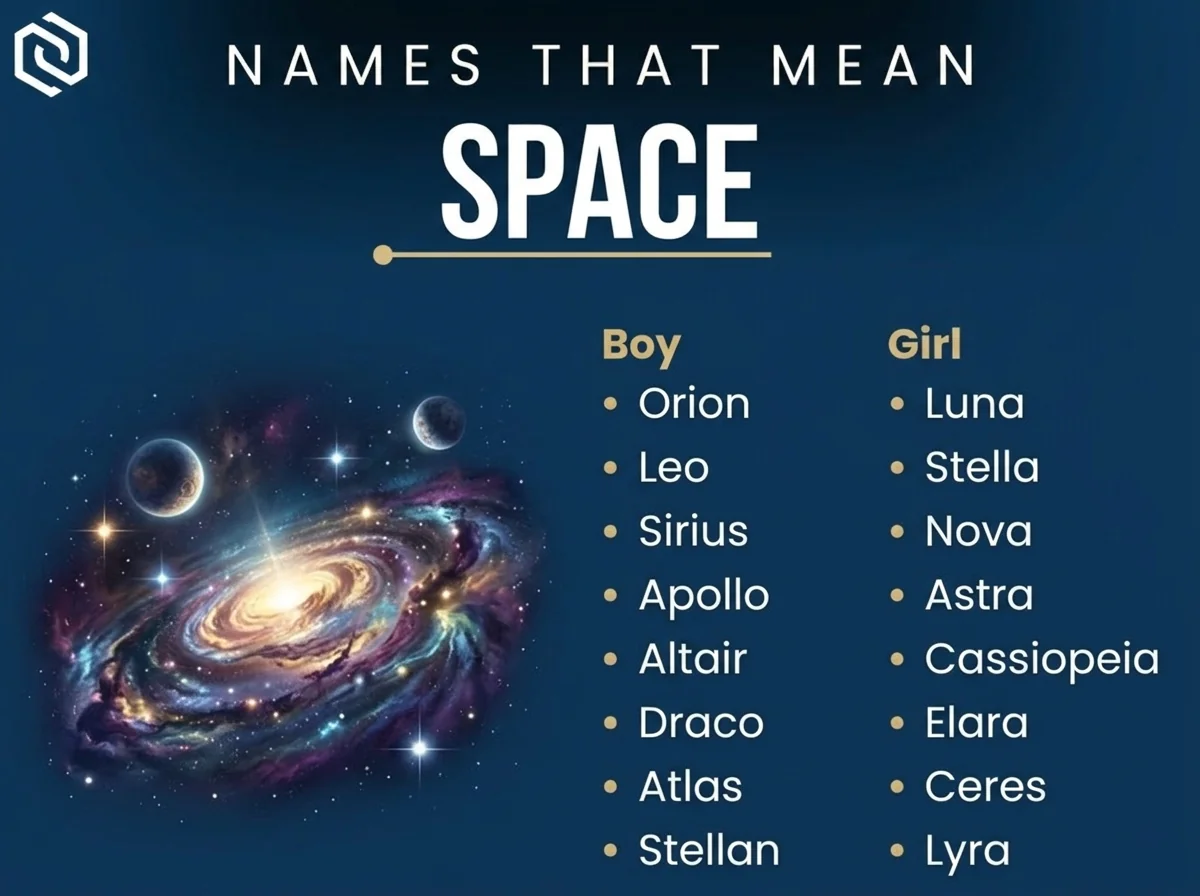
Space represents the infinite unknown. It's where possibility lives, where mystery expands, where humanity dreams of what could be.
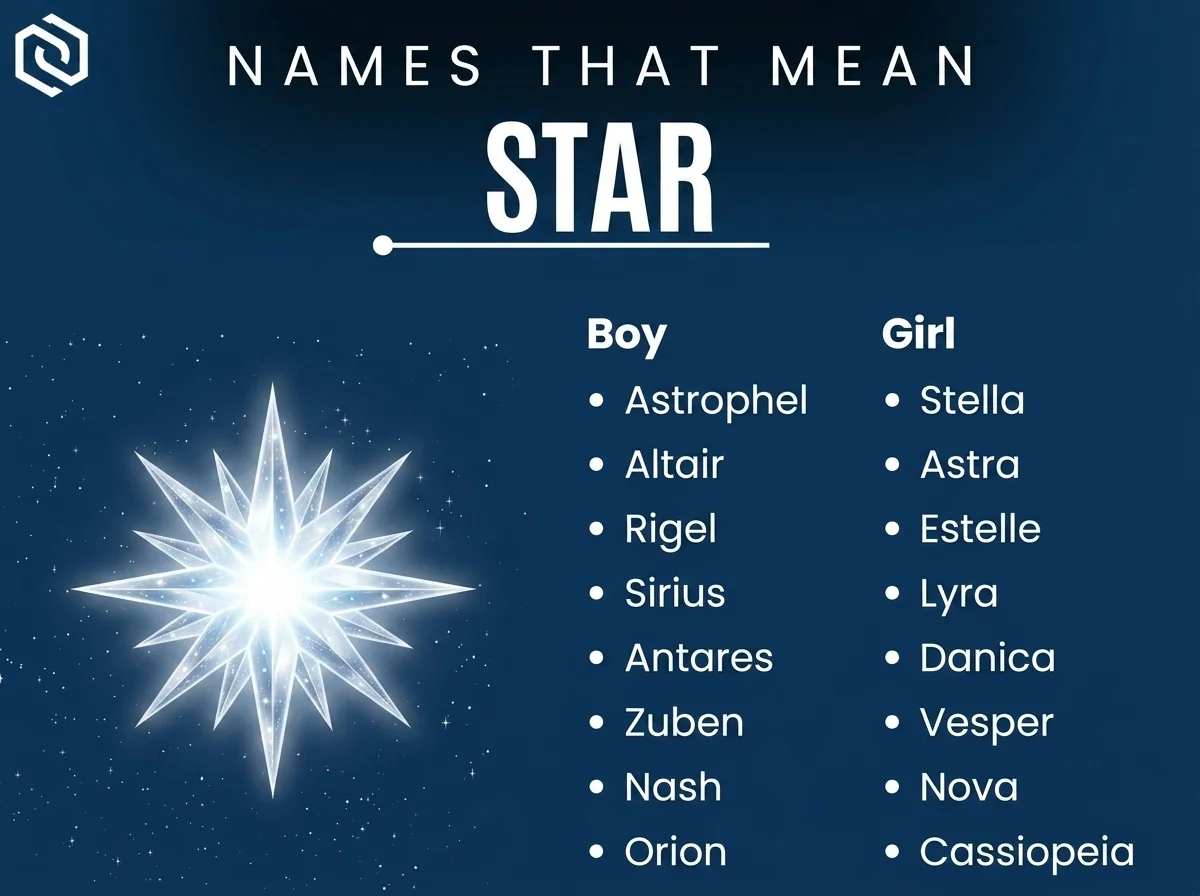
Stars have guided travelers, inspired poets, and marked the birth of kings.
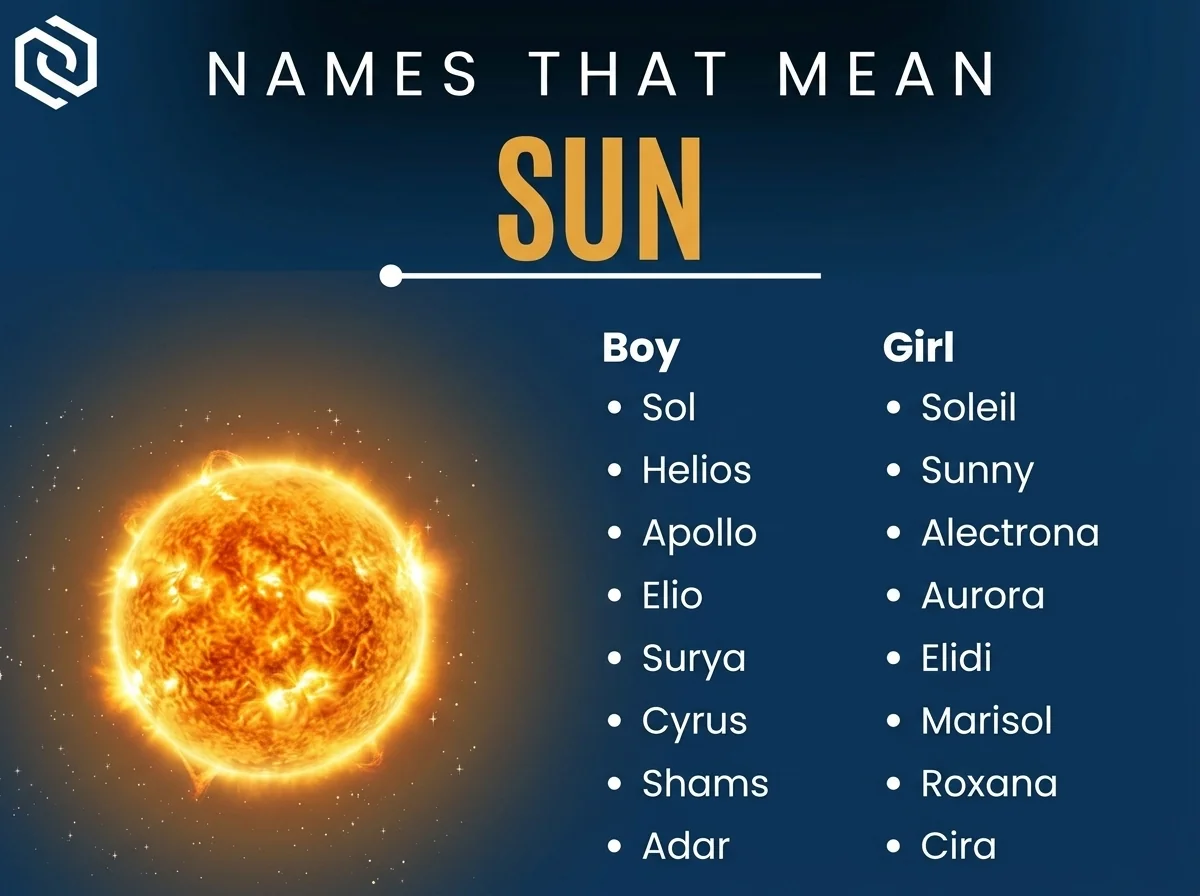
The sun represents life itself. It's the source of warmth, growth, and light in nearly every culture that has ever looked up at the sky.
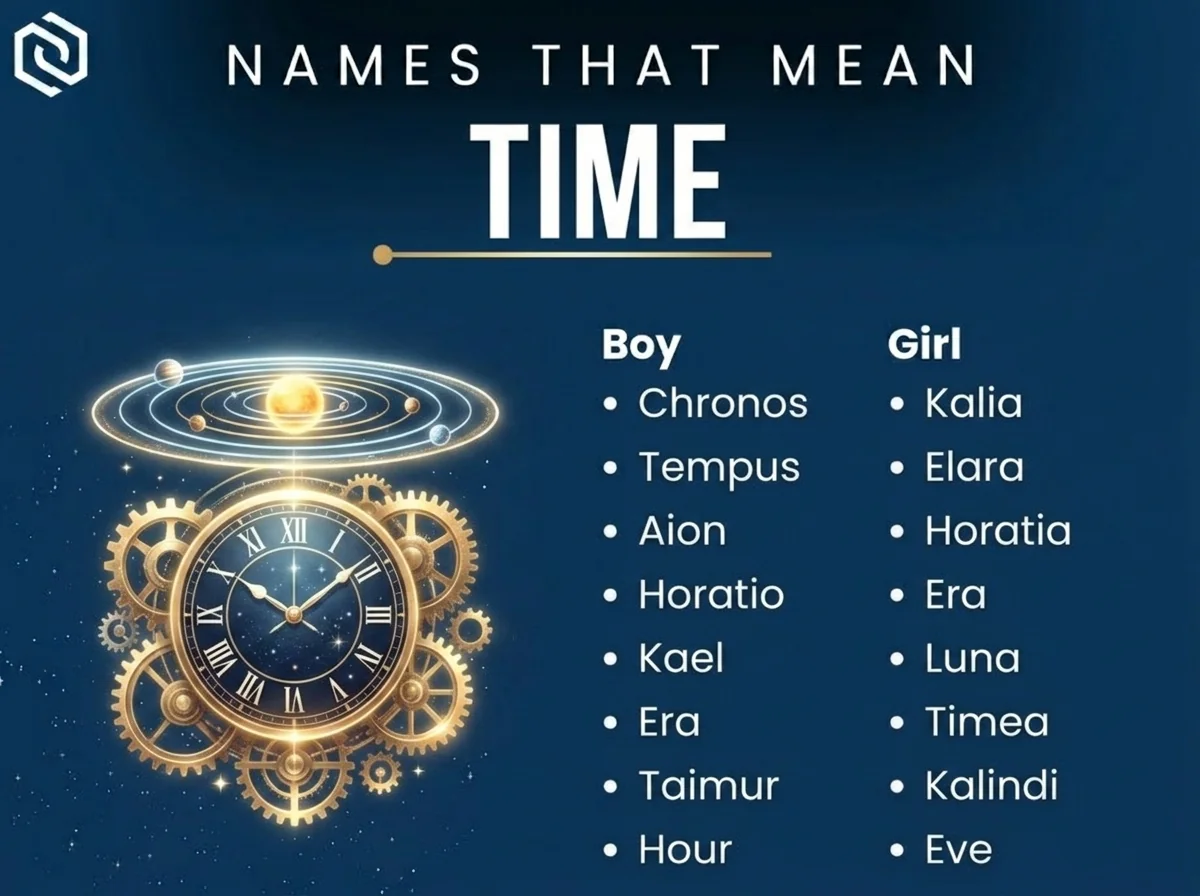
Time is one of the few concepts every human culture has tried to name, worship, and personify. Ancient Greeks gave time two distinct divine forms.
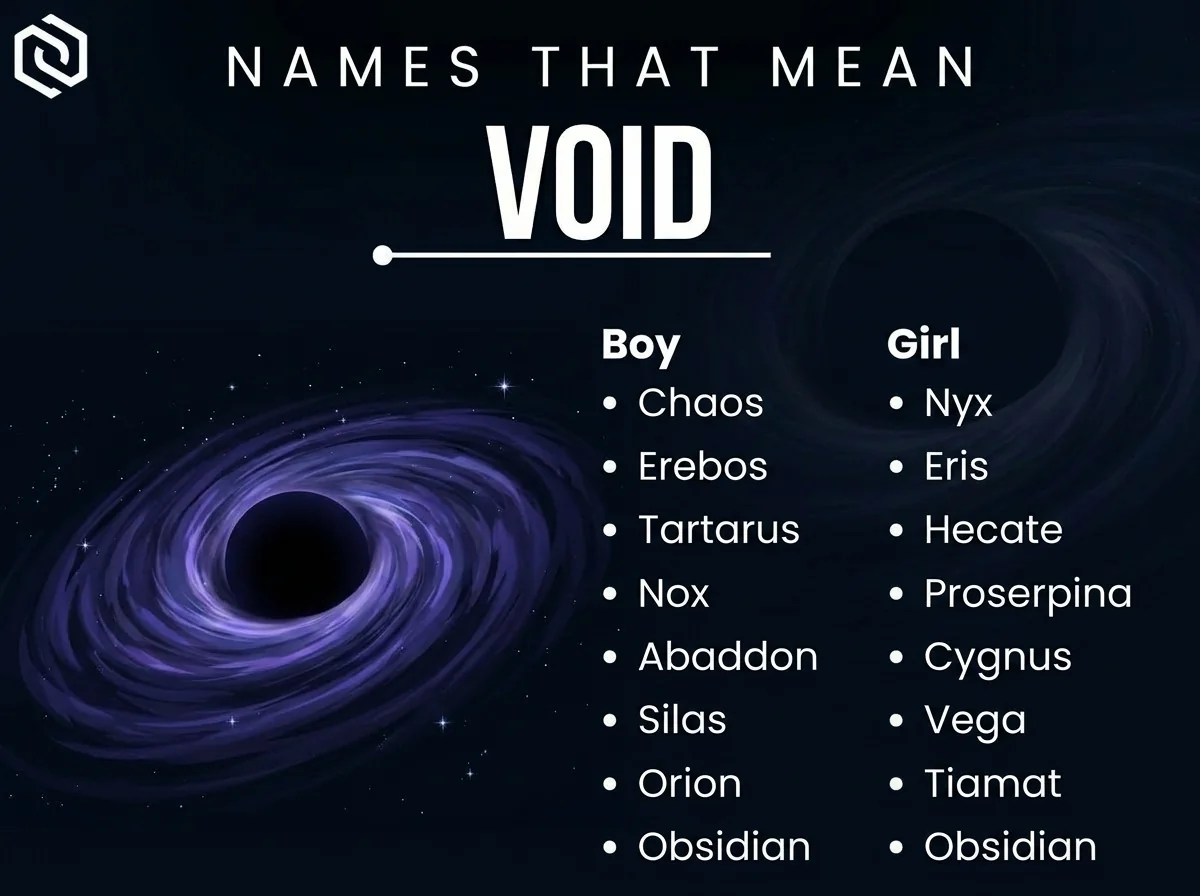
Void names carry a quiet intensity that most naming categories simply cannot match.
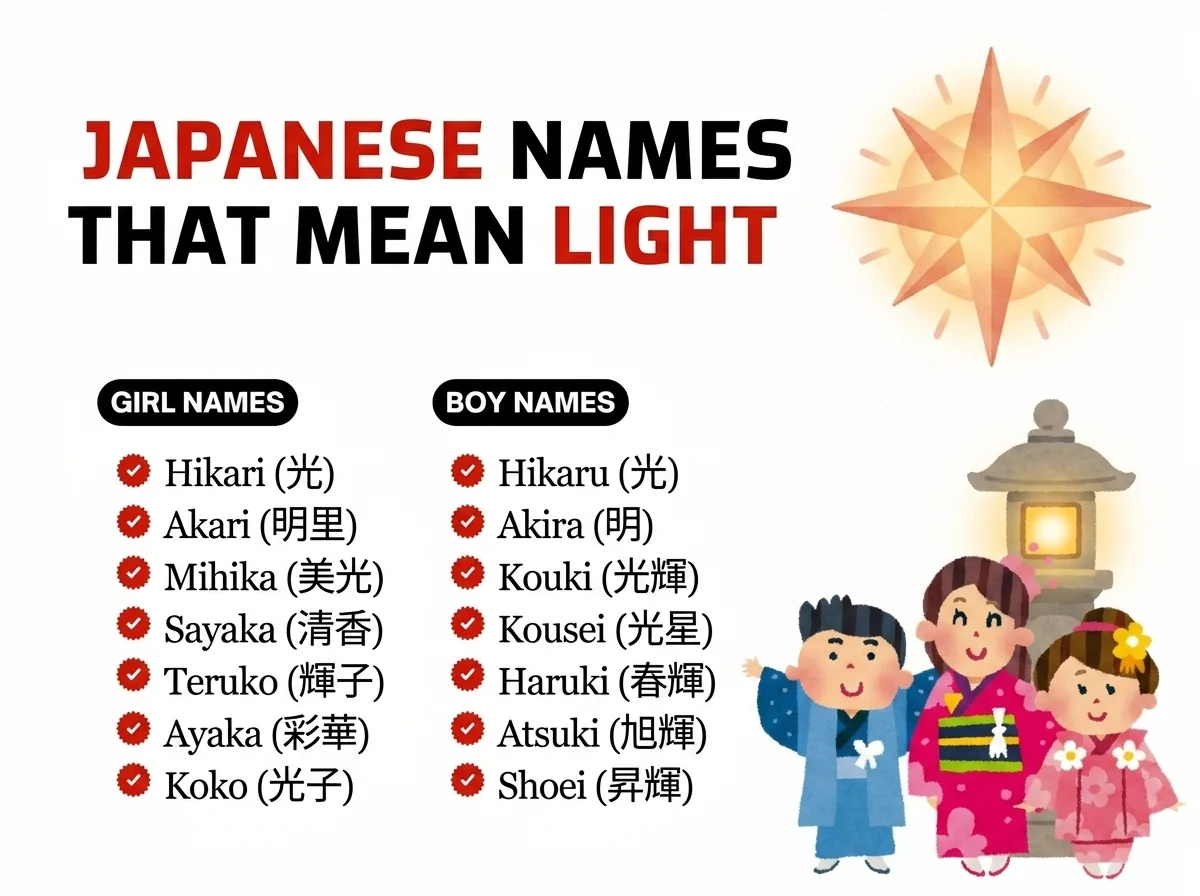
Light holds deep meaning in Japanese culture. It appears in Shinto rituals, summer lantern festivals, and the quiet glow of paper lamps along temple paths.
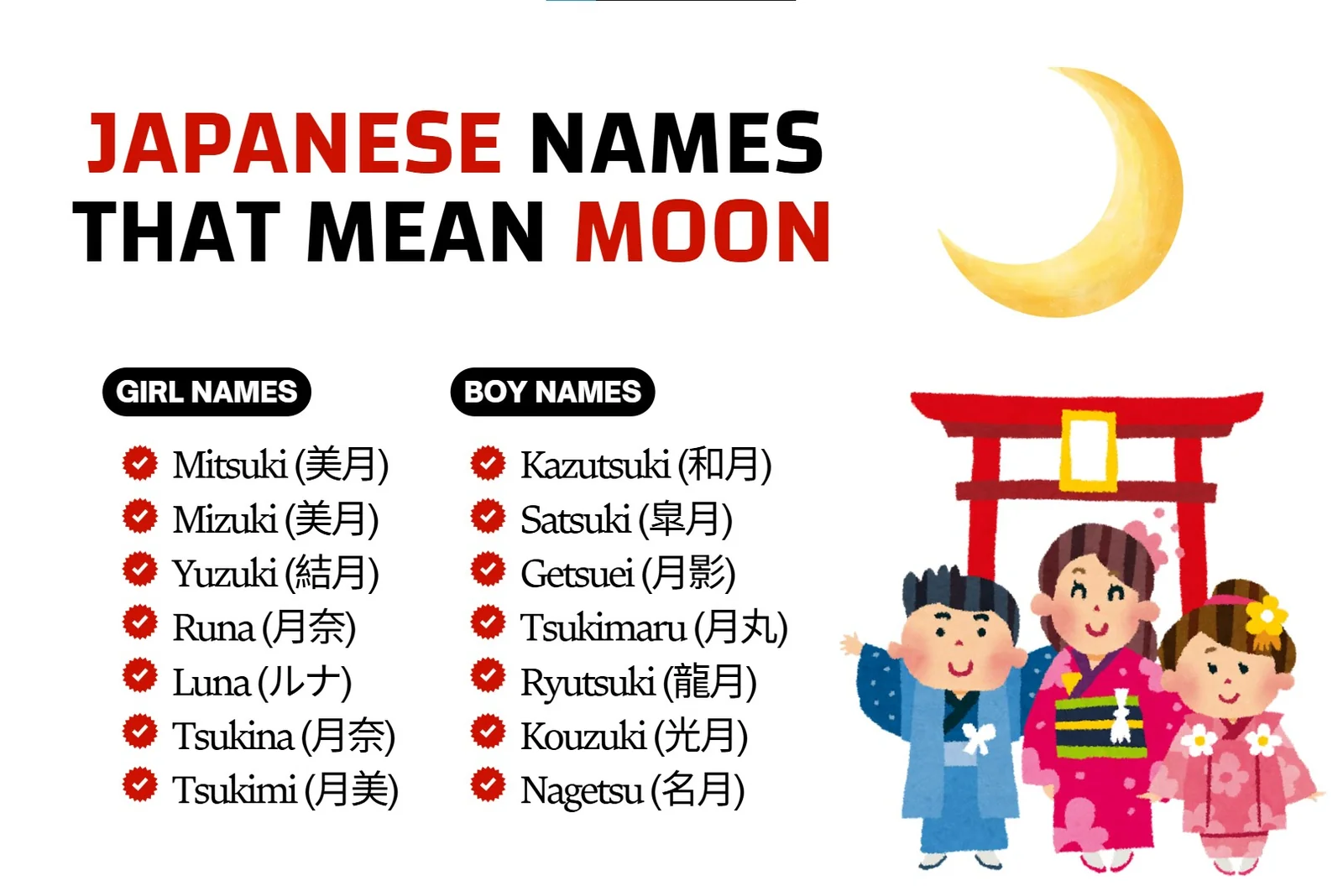
The moon holds a special place in Japanese culture. From the autumn tradition of tsukimi (moon viewing) to the Shinto moon god Tsukuyomi, lunar imagery runs…
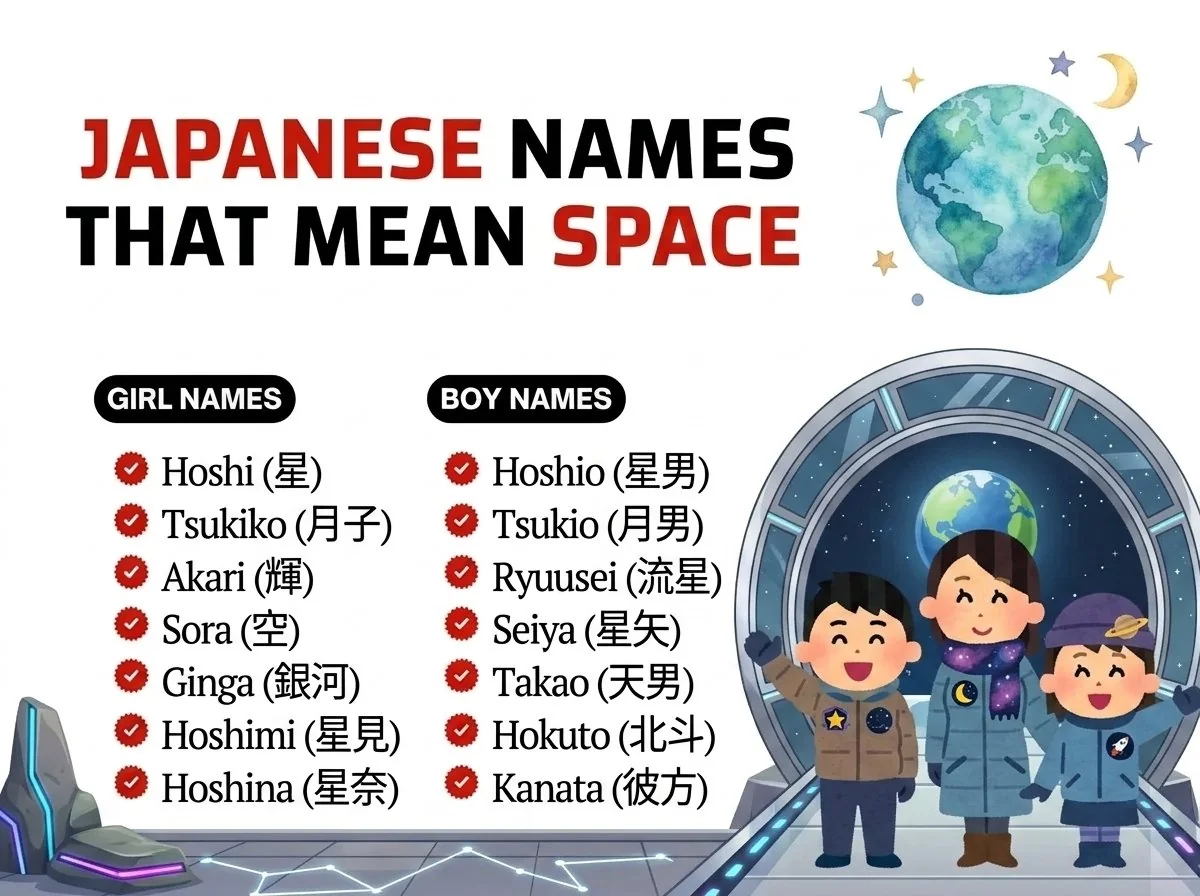
Space holds a special place in Japanese culture. Long before modern astronomy, Japanese mythology described the cosmos as a vast, layered expanse stretching…
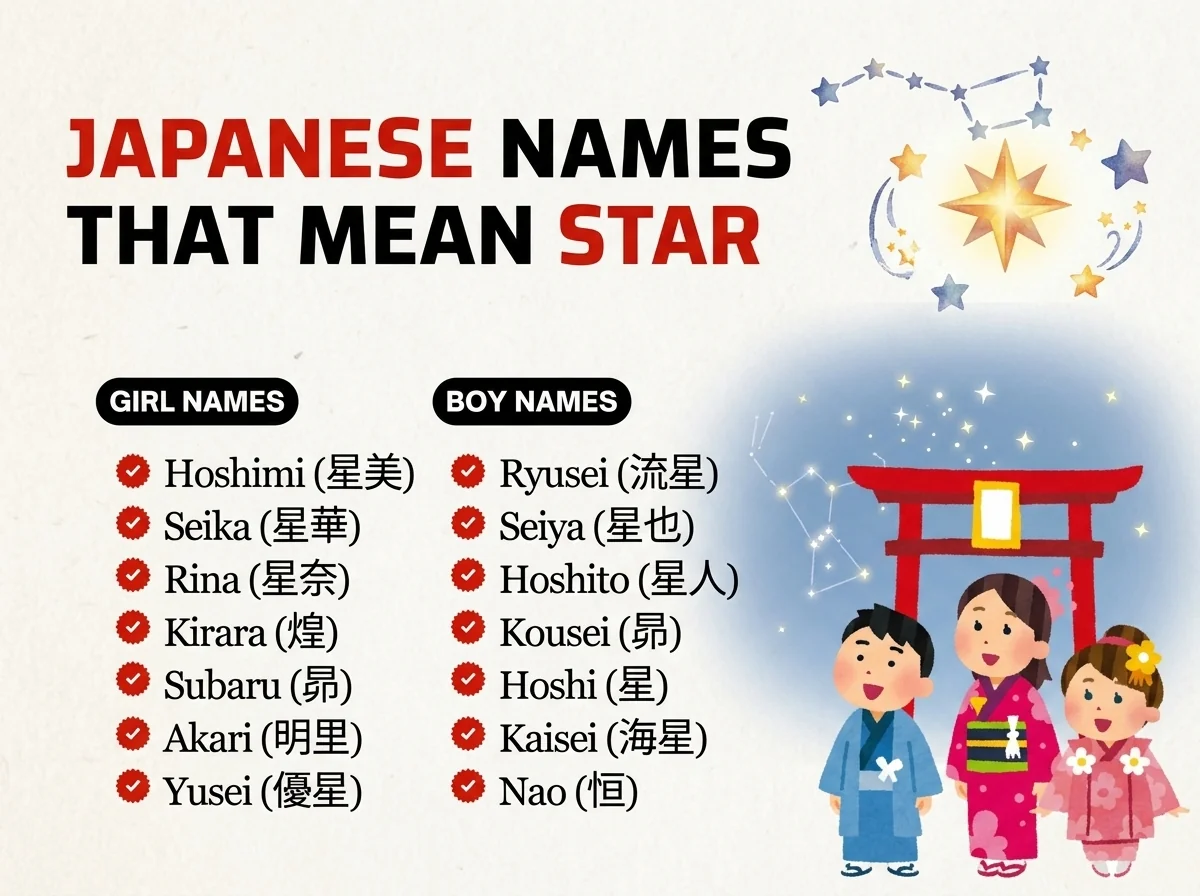
Stars have held deep meaning in Japanese culture for centuries.
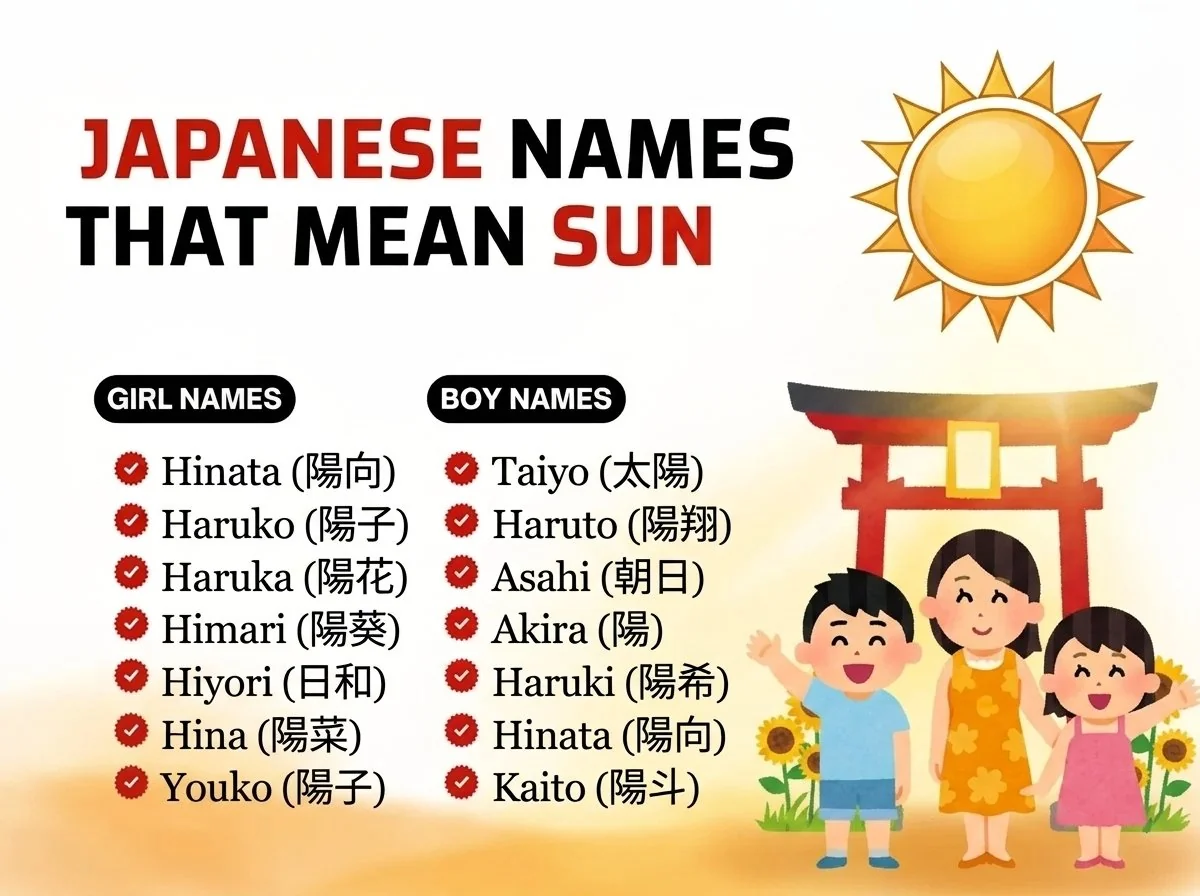
In Japanese naming tradition, the sun carries deep spiritual weight.
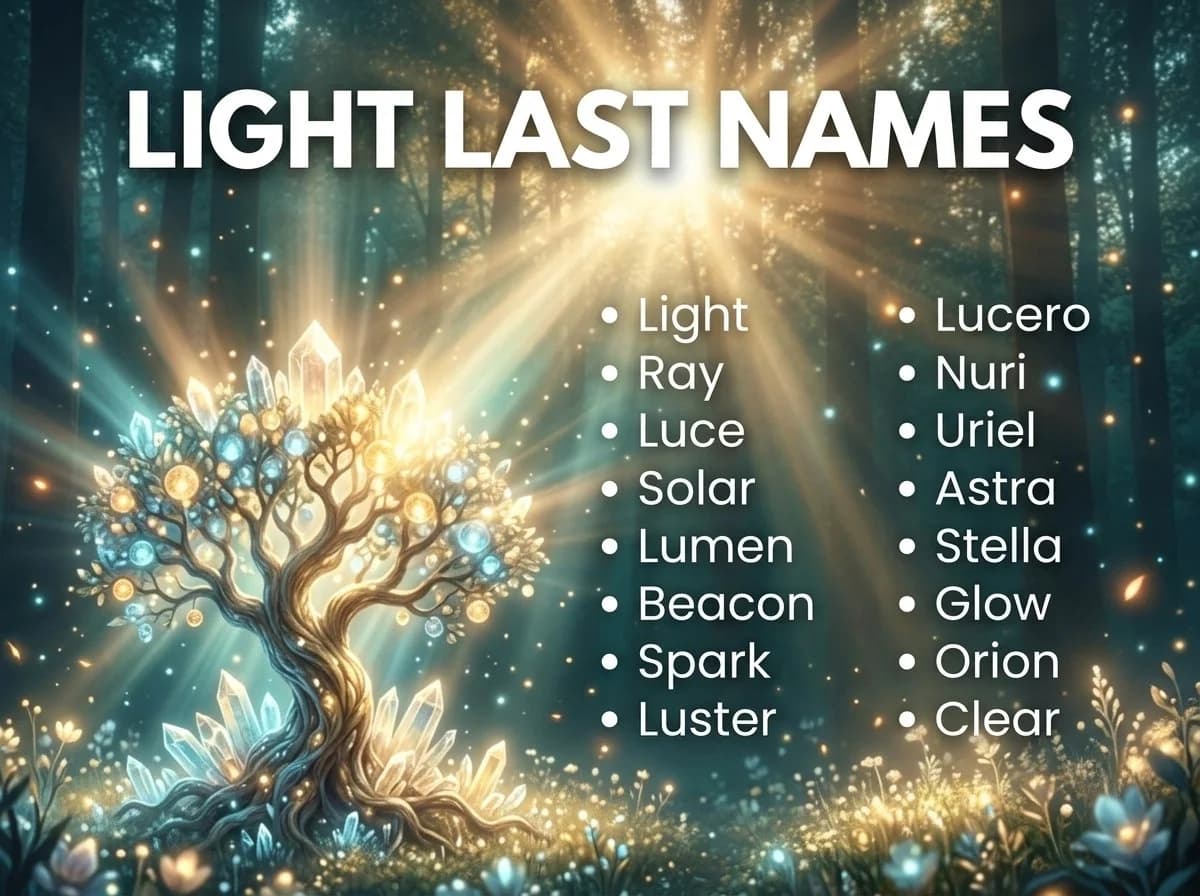
Surnames meaning light include Licht (German), Luz (Spanish), Lux (Latin), Nour (Arabic), Bright (English), Prakash (Sanskrit), Leclair (French), and Roshan…
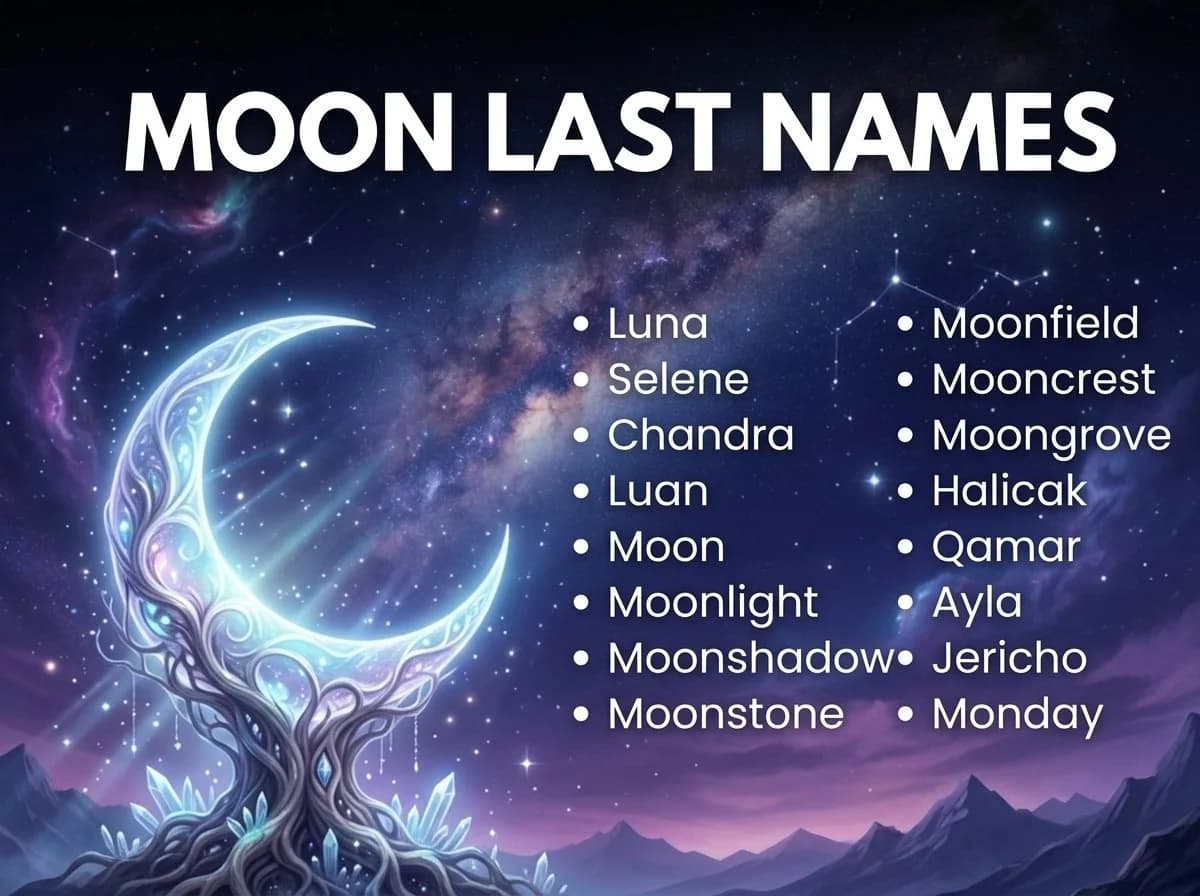
The moon has shaped how families identify themselves for centuries.
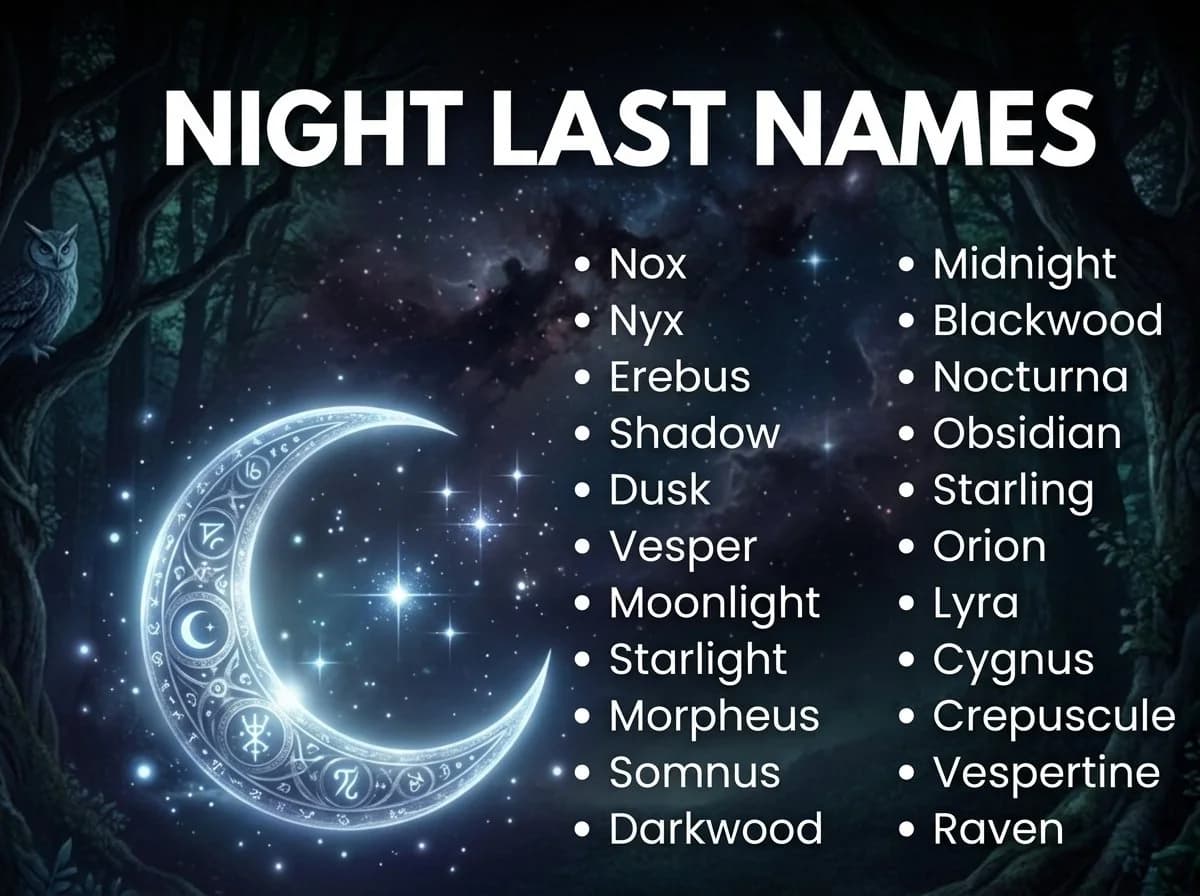
Night has a quiet gravity that draws people in. When that meaning lives inside a family name, it carries generations of story.
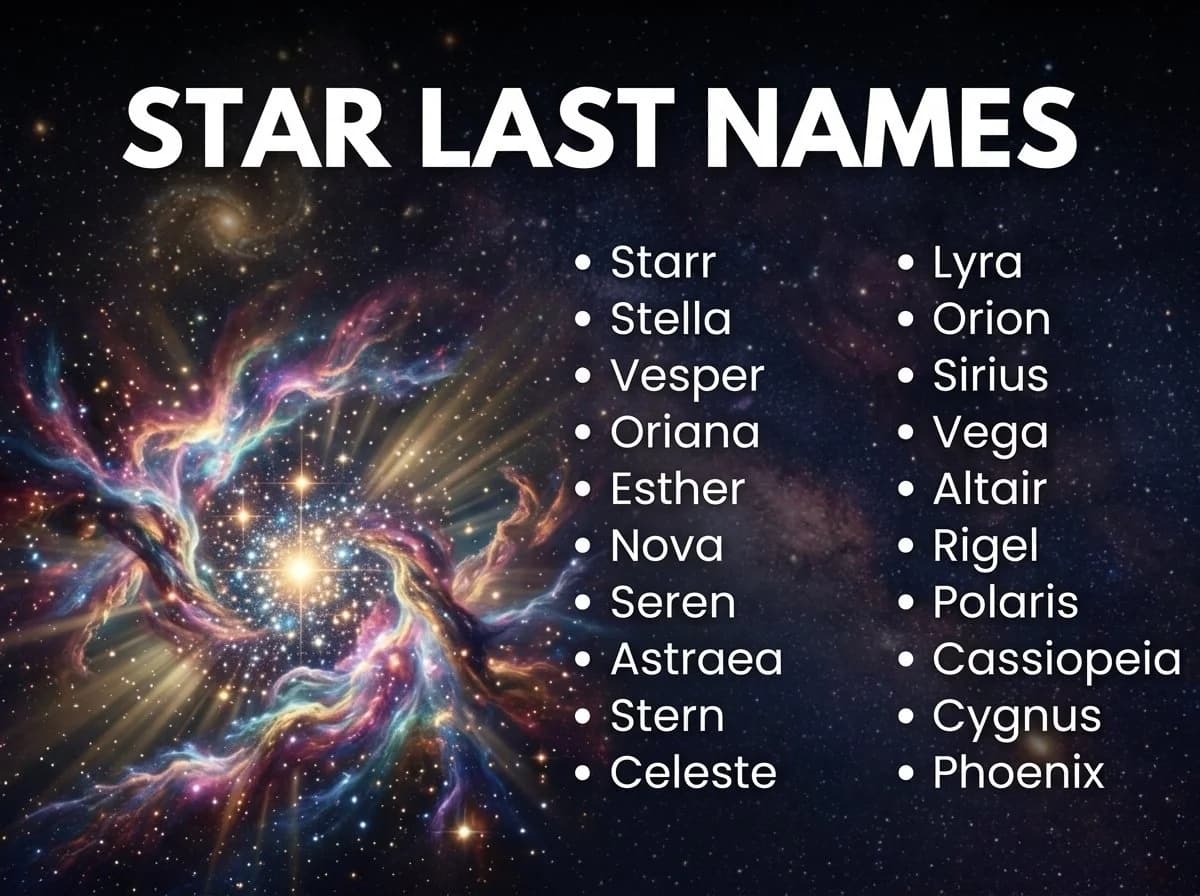
Star surnames carry a quiet kind of brilliance. They appear in German village records, Spanish colonial archives, Arabic genealogies, and Japanese family…
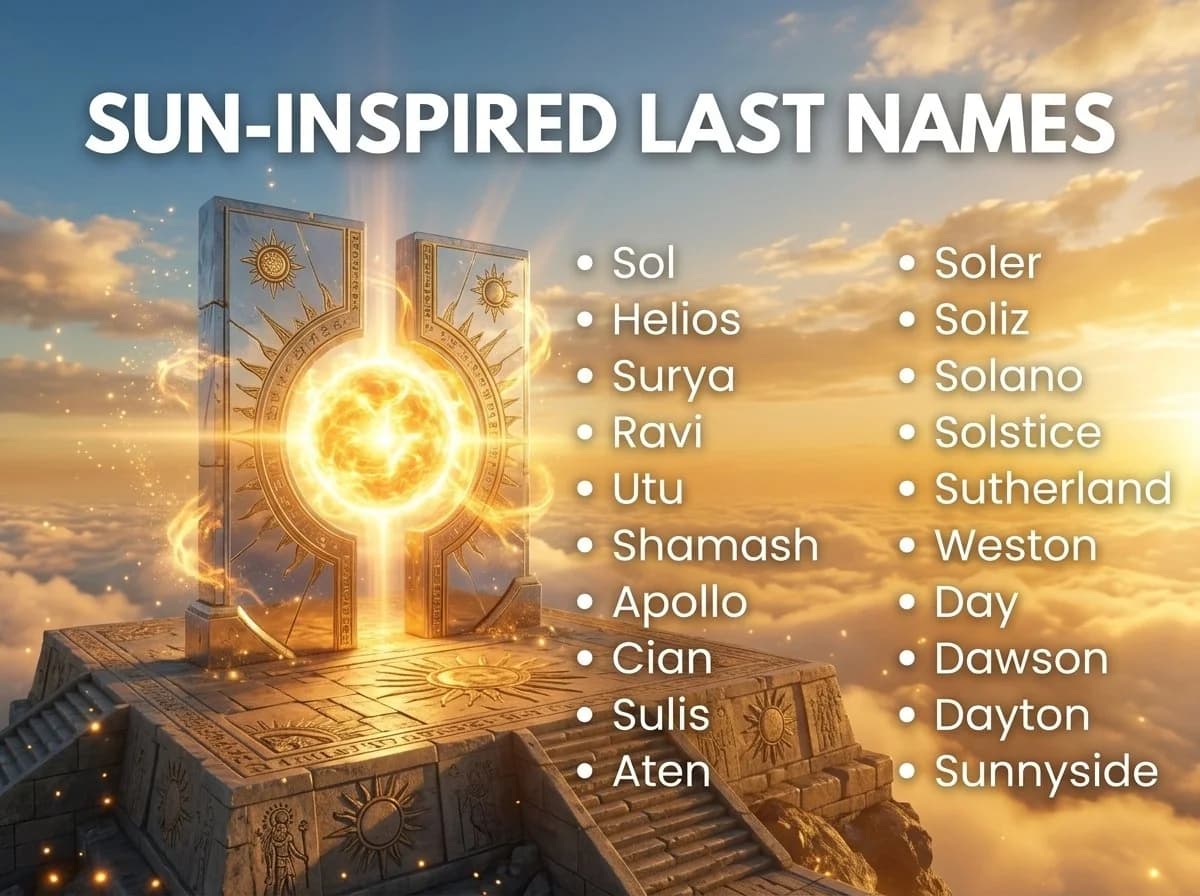
The sun has shaped human language for thousands of years, and that influence shows up in family names across the globe.