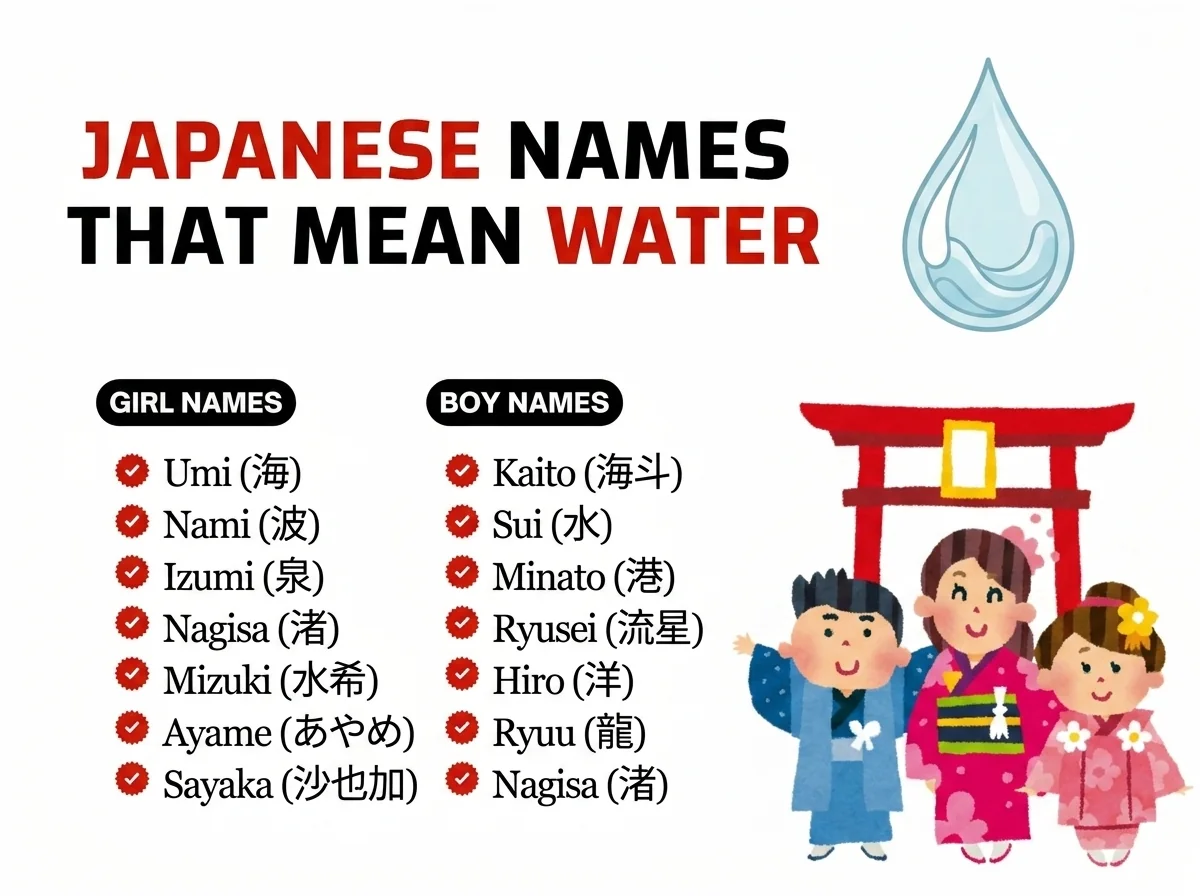
Japanese50+ names
50+ Japanese Names Meaning Water (With Meanings)
Water runs through Japanese culture in a way few other elements do.
7 min read
Every guide we've published — each one researched by hand, checked against sources, and stamped with its last-reviewed date.
Page 2 of 19
Water runs through Japanese culture in a way few other elements do.
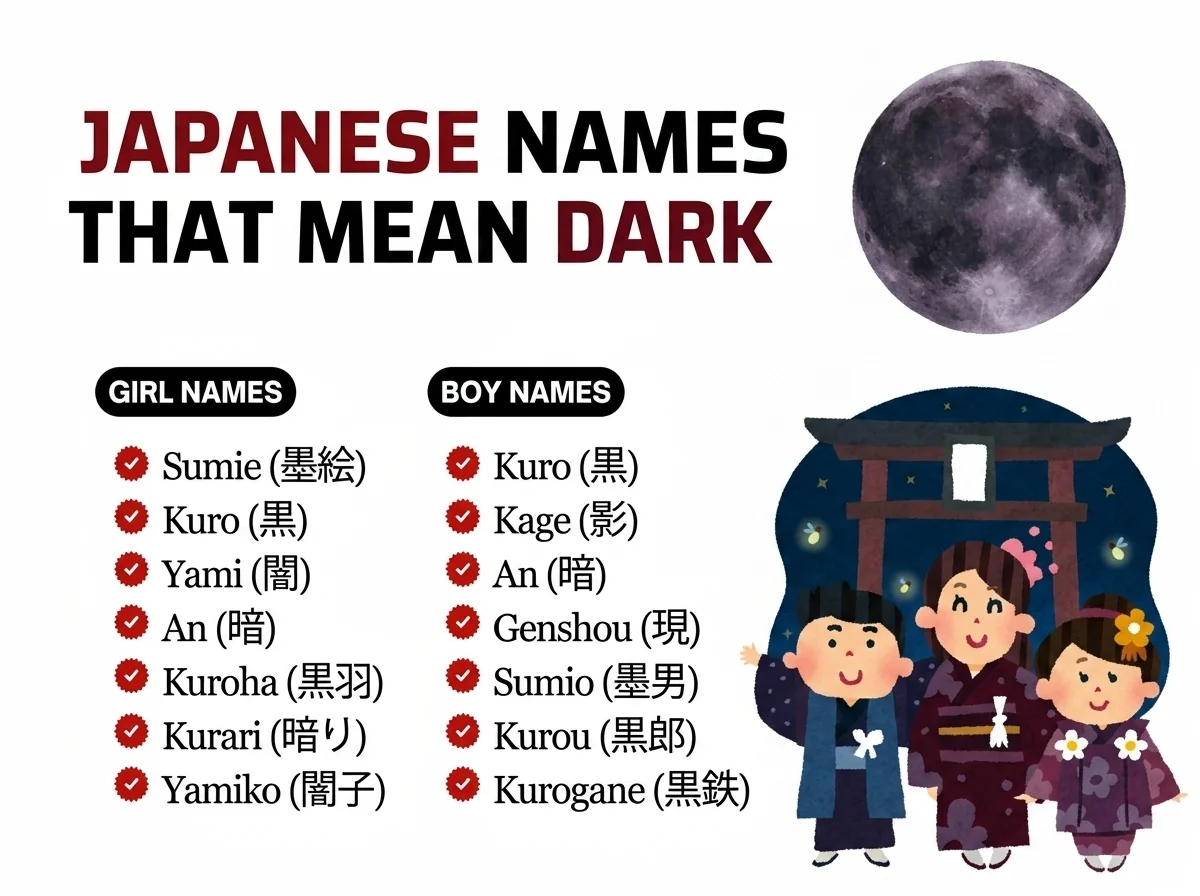
Darkness in Japanese culture carries a different weight than in the West. It is not something to fear.
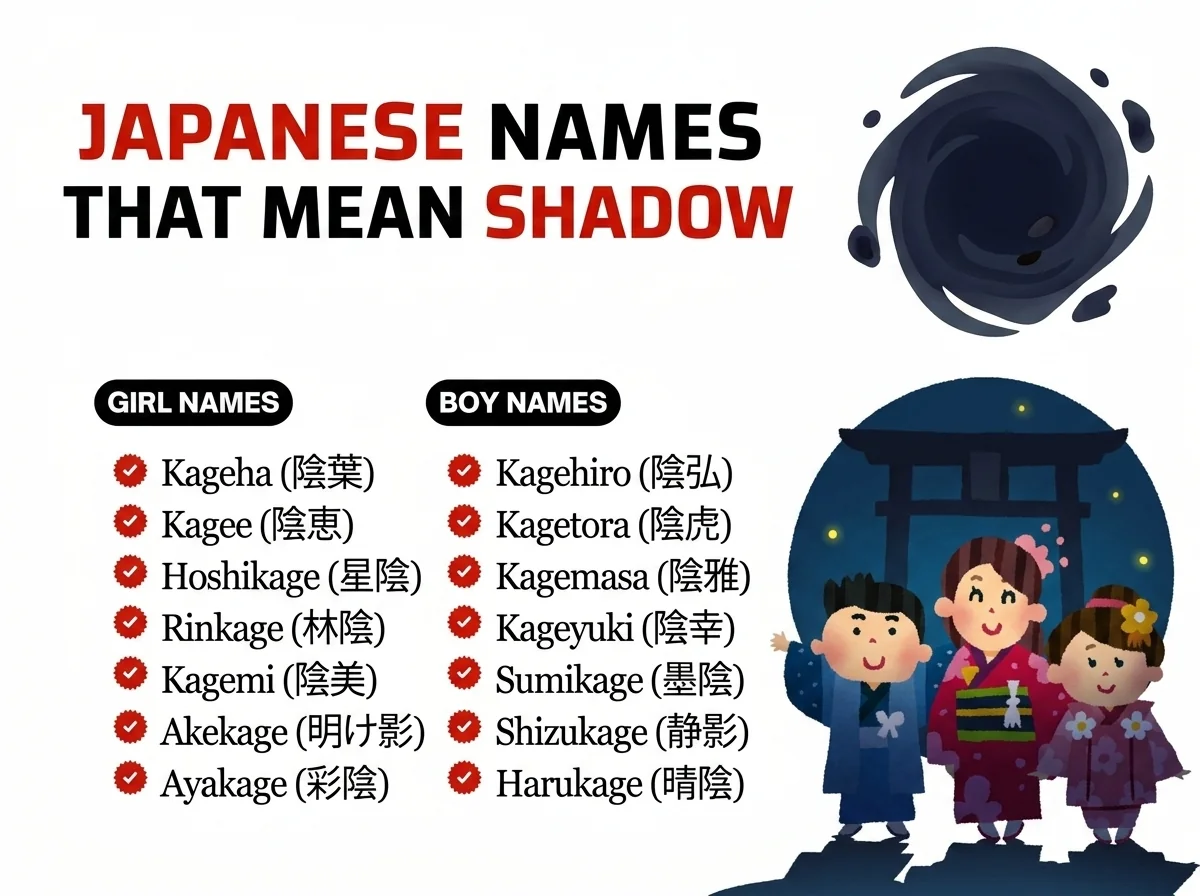
Shadow holds a complicated place in Japanese culture. It is not something to fear. In traditional aesthetics, shadow creates depth, subtlety, and quiet beauty.
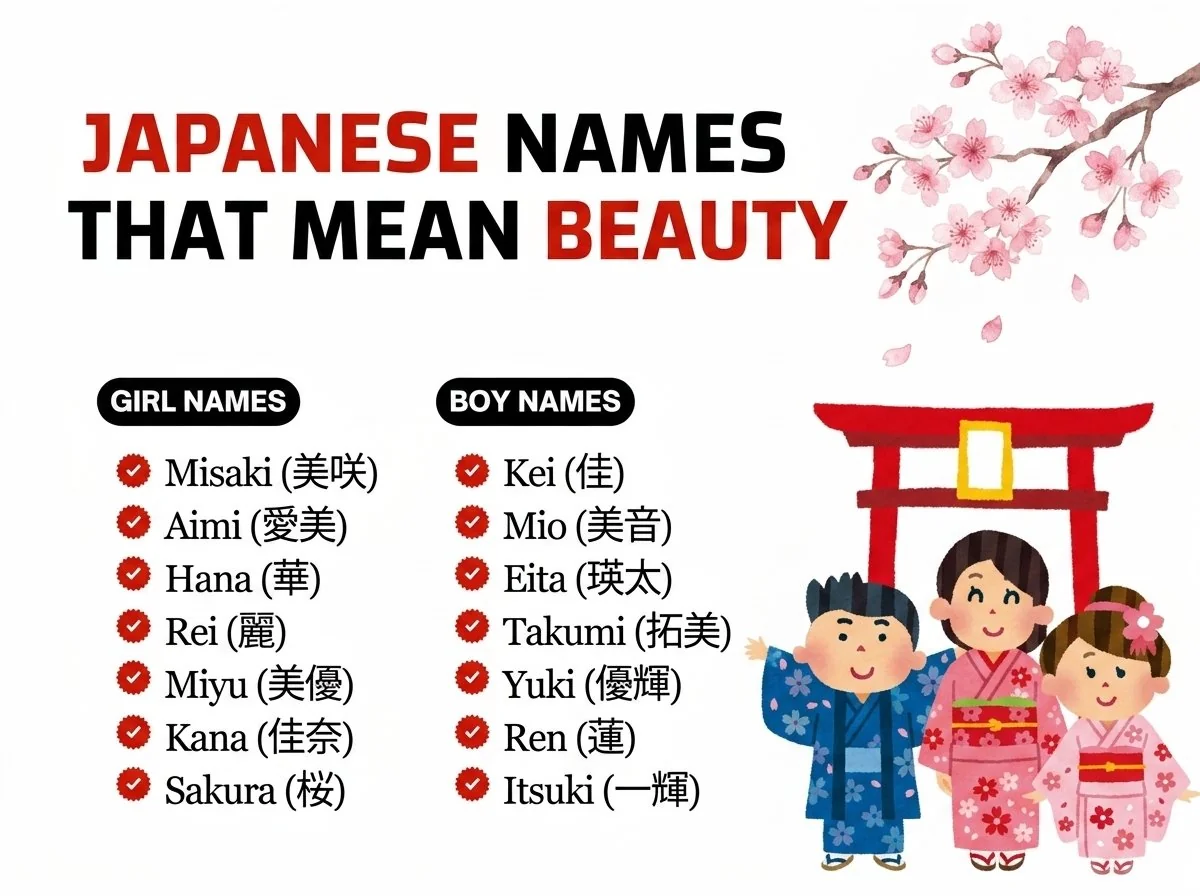
The kanji 美 sits at the heart of Japanese naming tradition. It carries a meaning that goes well beyond surface appearance.
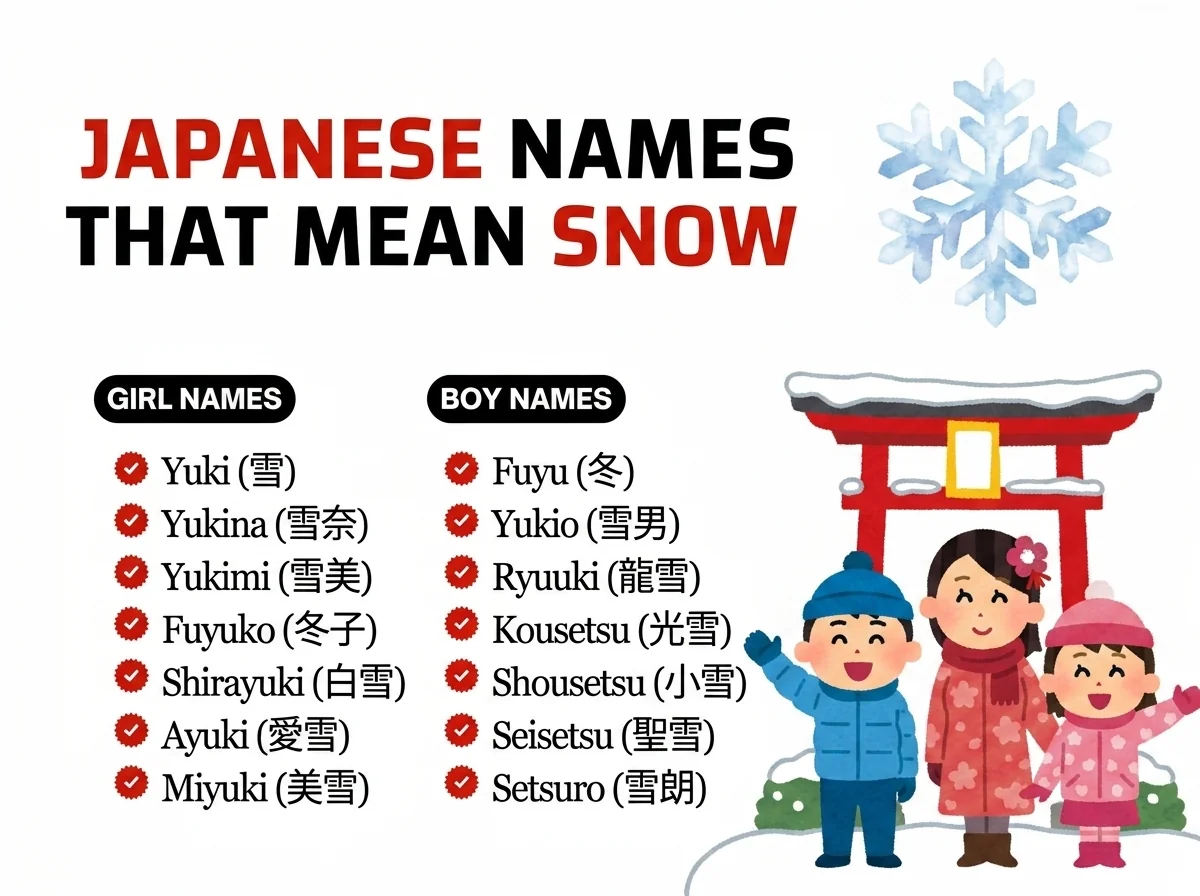
Snow holds a special place in Japanese culture. From the quiet tradition of yukimi (snow viewing) gatherings to the hushed stillness of a Hokkaido winter…
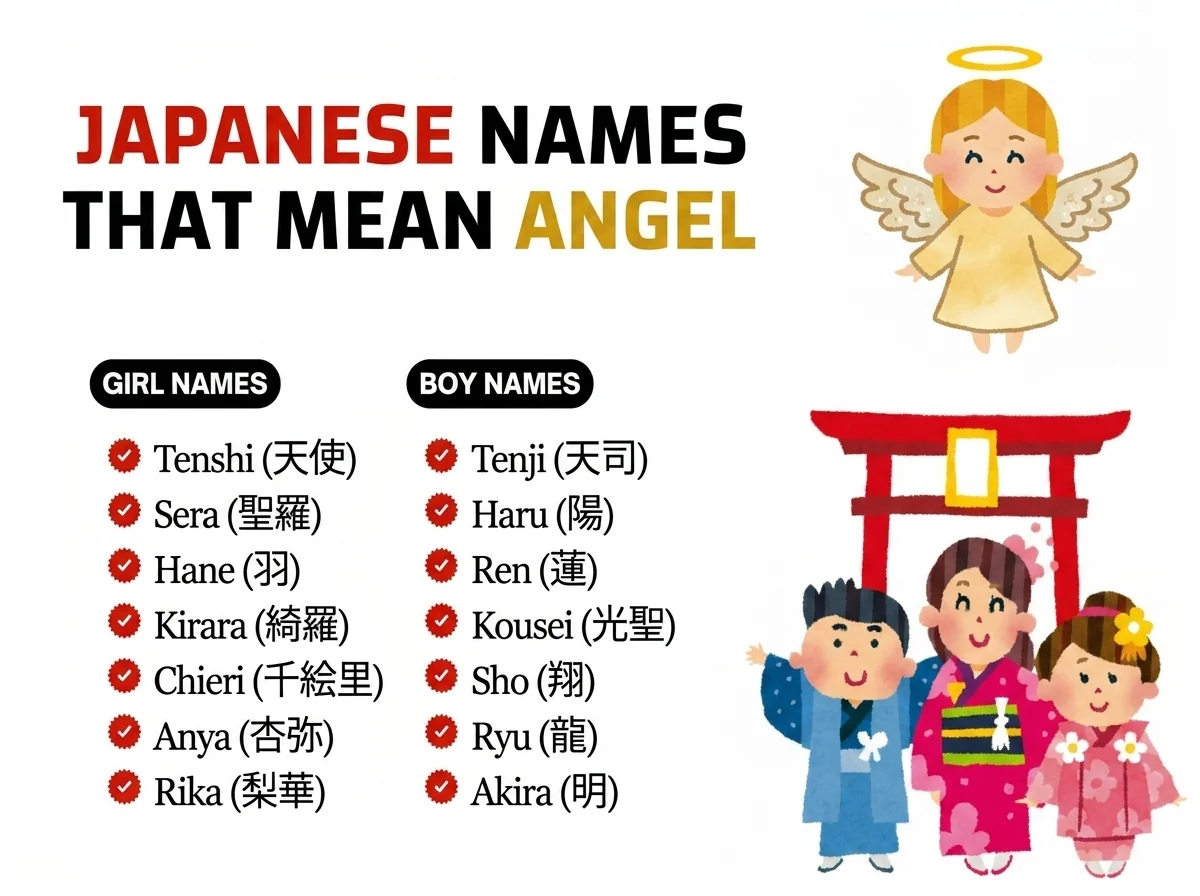
The concept of an angel arrived in Japan through Christian missionaries and Western literature, which means traditional Japanese naming culture doesn't have…
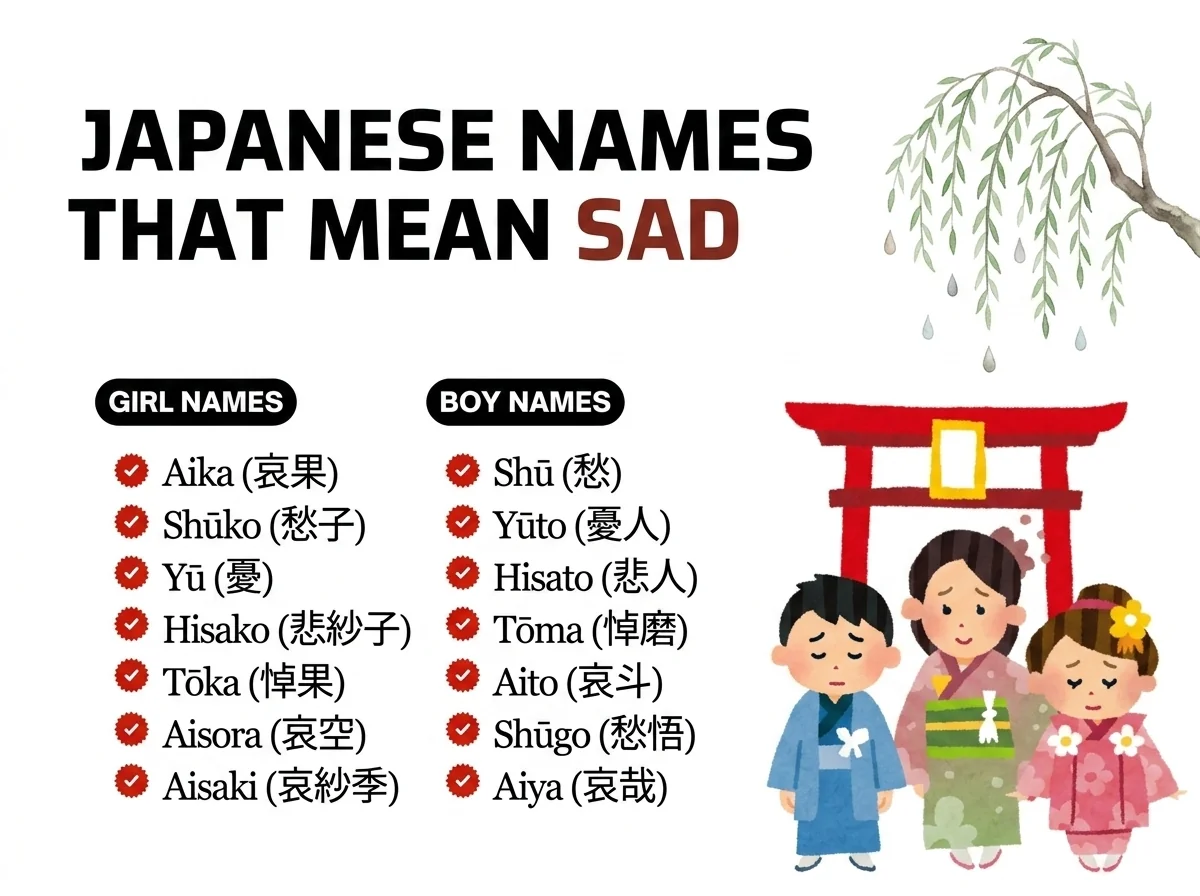
Sadness is not a meaning most parents actively seek in a baby name. Yet in Japanese naming tradition, sorrow carries a weight that goes beyond simple grief.
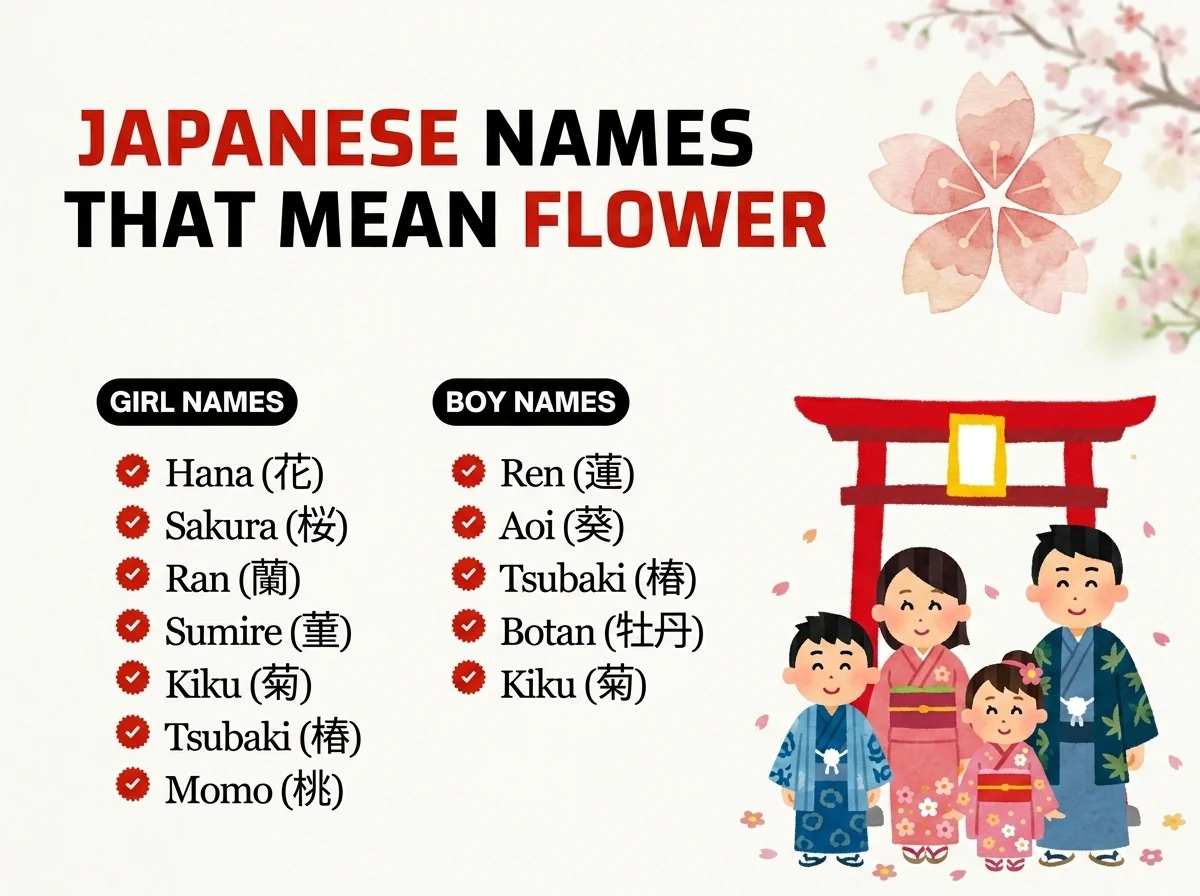
Flowers hold a special place in Japanese culture. From the cherry blossoms that draw millions each spring to the chrysanthemum on the imperial seal, blooms…
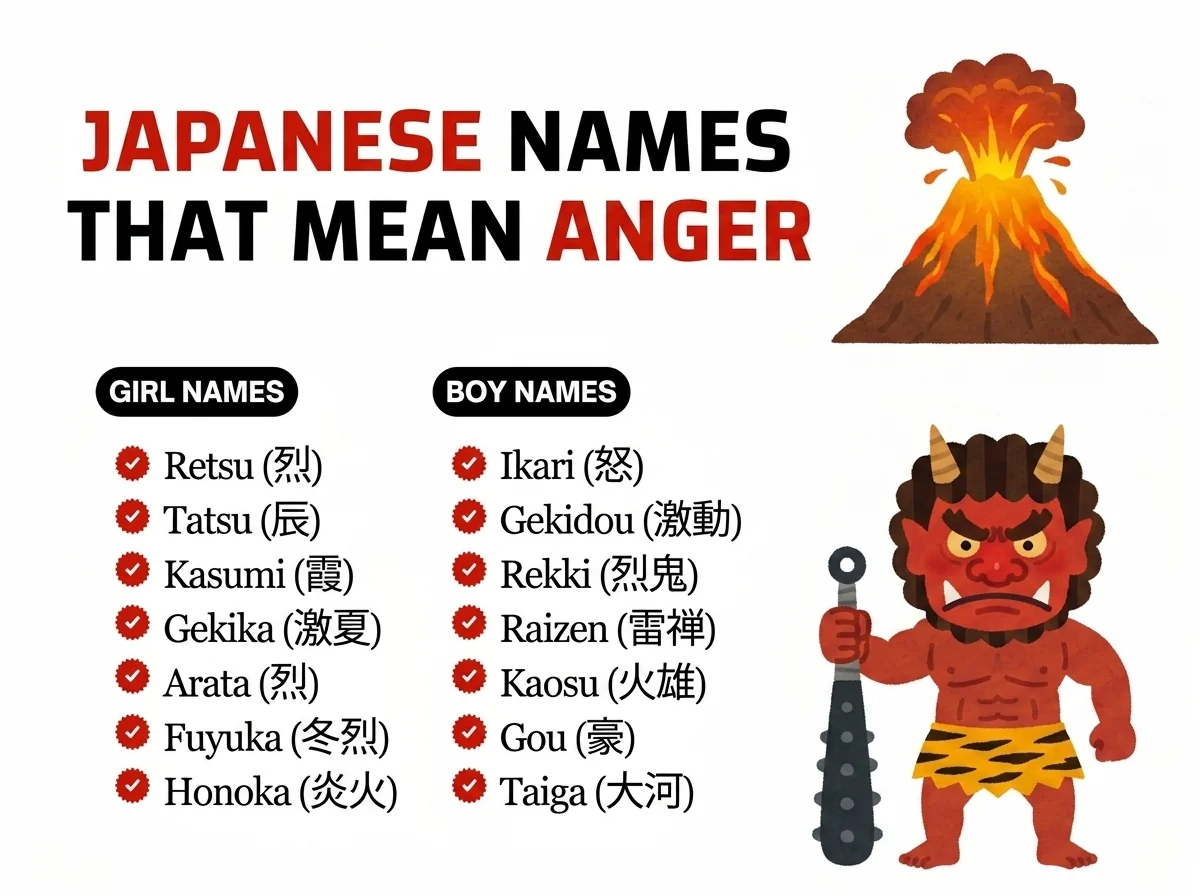
Anger is a raw, primal emotion, and very few cultures encode it directly into baby names. Japan is no exception.
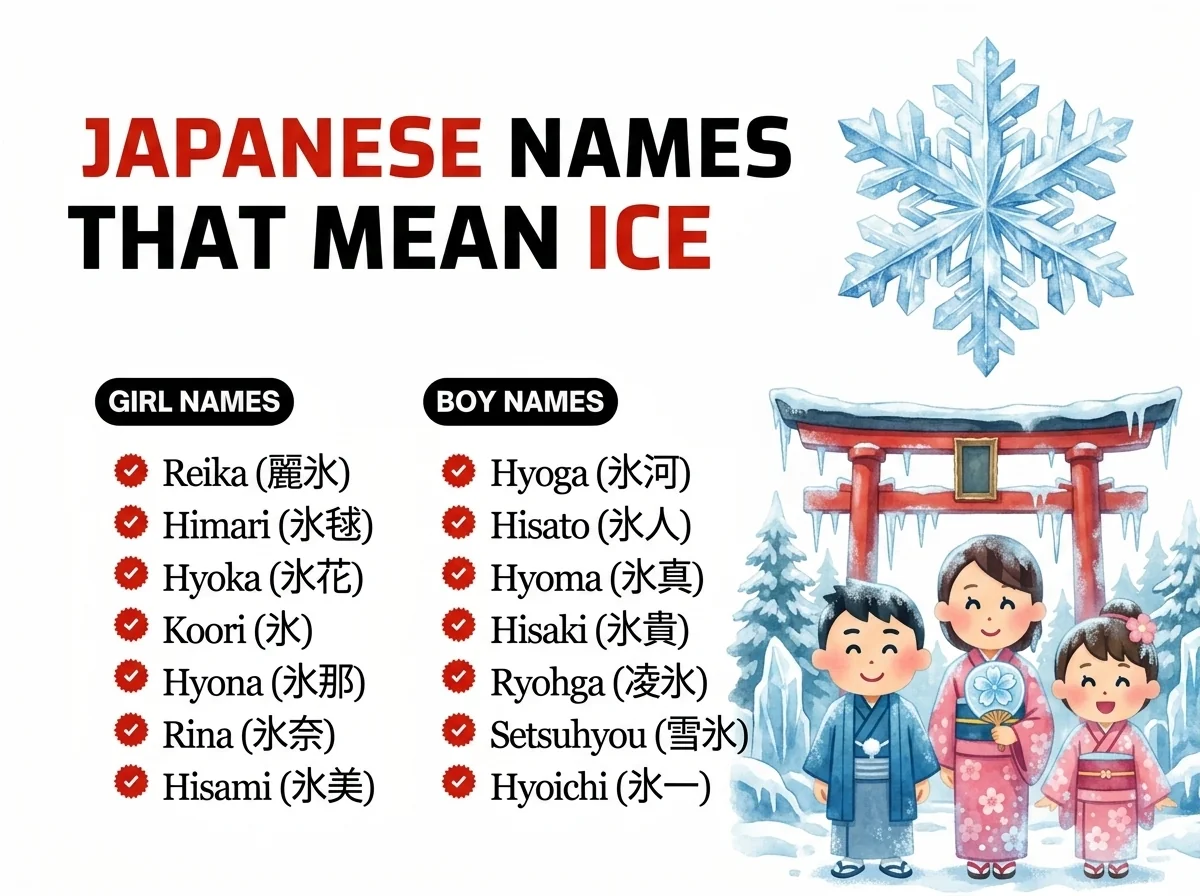
Ice holds a quiet power in Japanese culture. The kanji 氷 (kōri) evokes stillness, clarity, and the sharp beauty of winter mornings in Hokkaido.
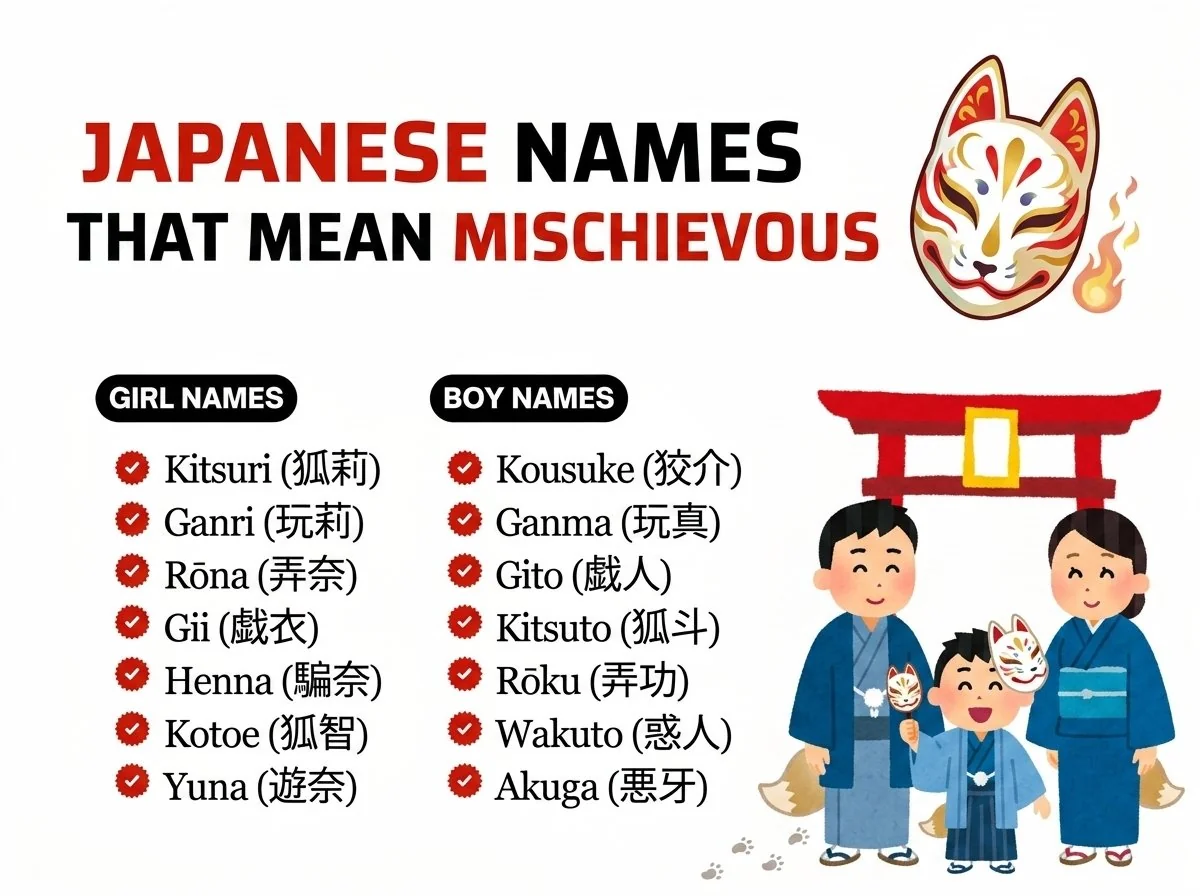
Japanese naming tradition leans heavily toward meanings like beauty, strength, and nature.
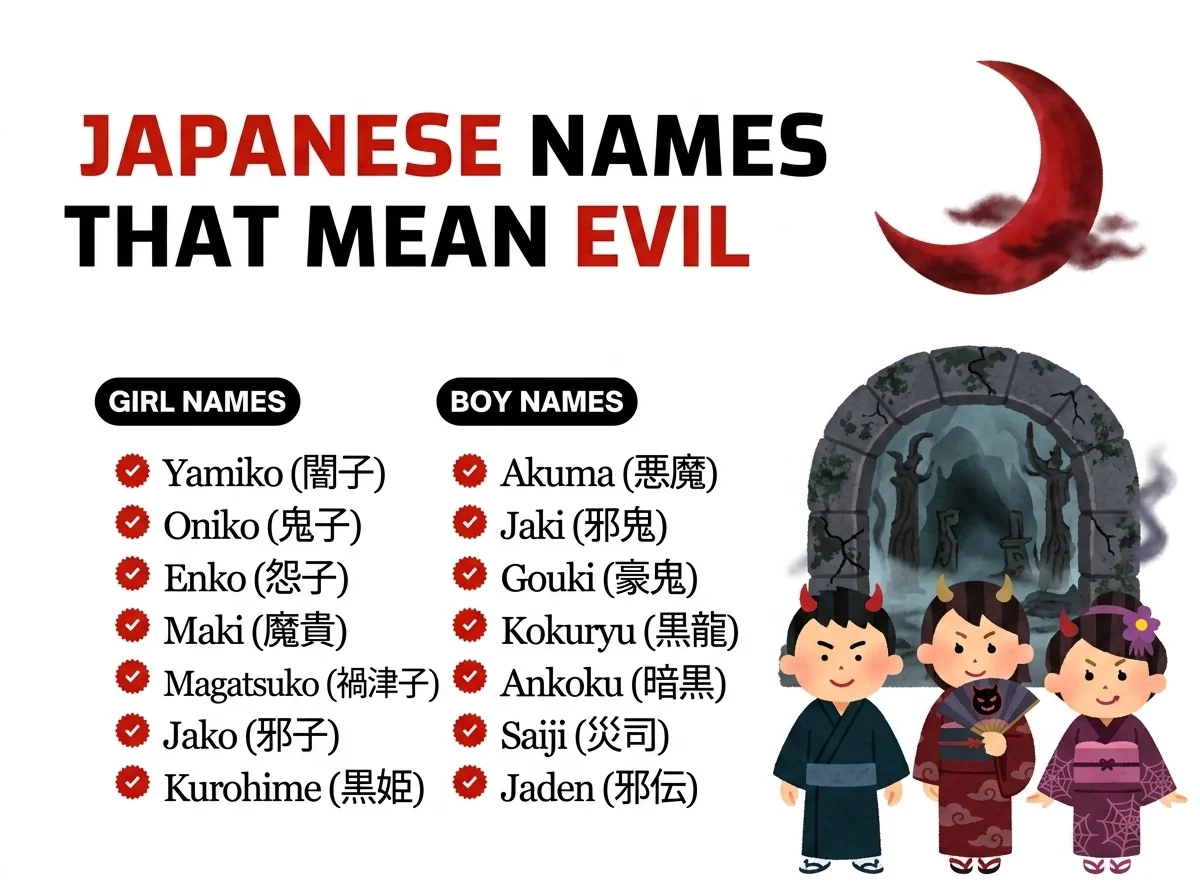
Japanese naming tradition overwhelmingly favors positive meanings like beauty, strength, and nature.