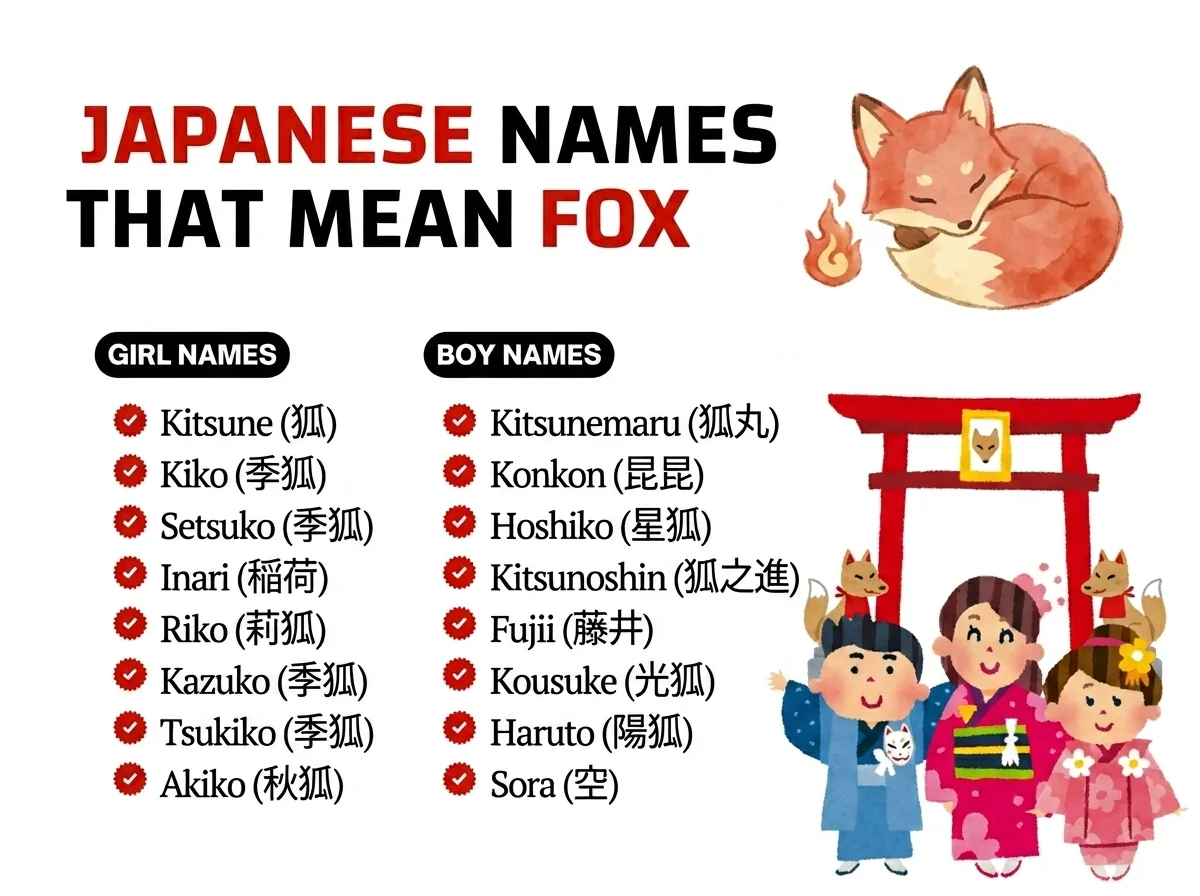
Japanese21 names
21 Japanese Names Meaning Fox (With Meanings)
The fox holds a complicated place in Japanese culture. Kitsune are shape-shifters, tricksters, and sacred messengers of the Shinto deity Inari.
7 min read
Every guide we've published — each one researched by hand, checked against sources, and stamped with its last-reviewed date.
Page 3 of 19
The fox holds a complicated place in Japanese culture. Kitsune are shape-shifters, tricksters, and sacred messengers of the Shinto deity Inari.
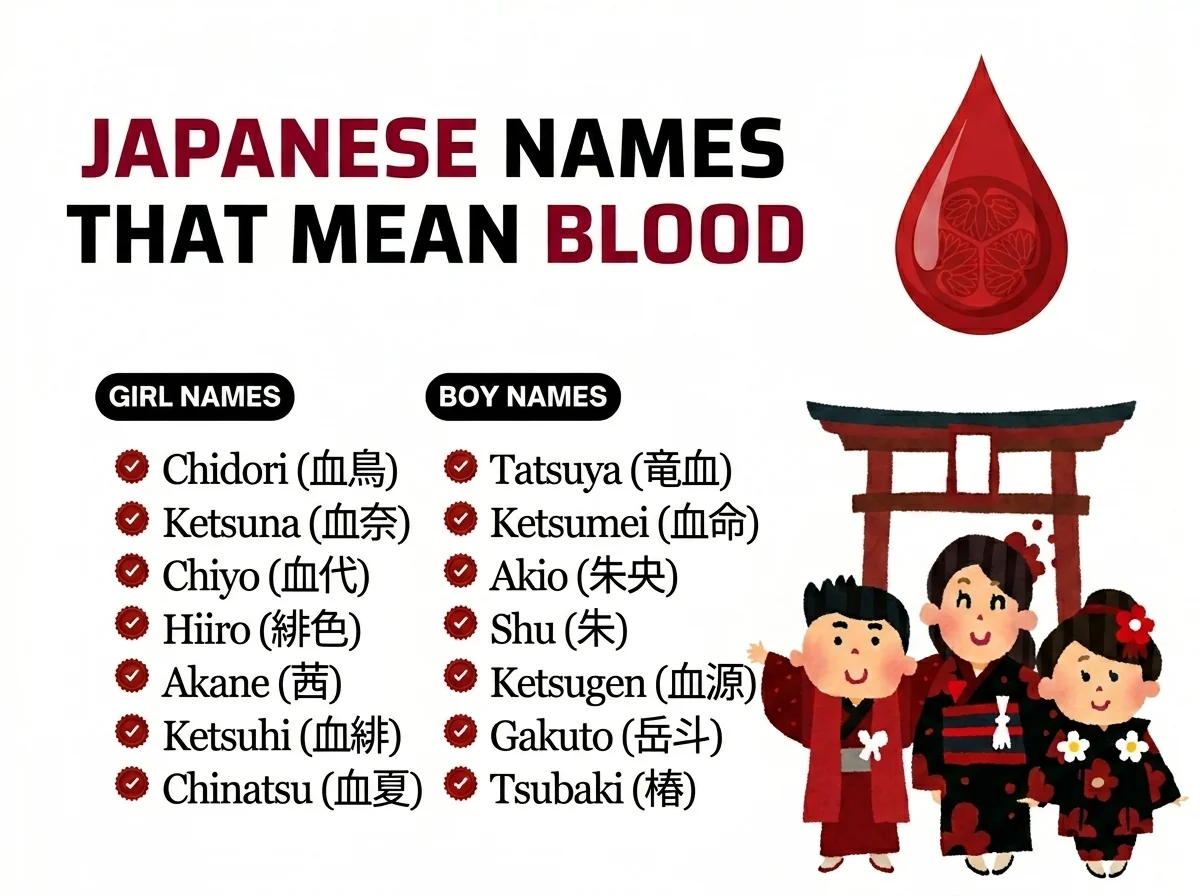
Blood holds a complicated place in Japanese naming tradition. The kanji 血 (chi) carries weight that goes far beyond the physical.
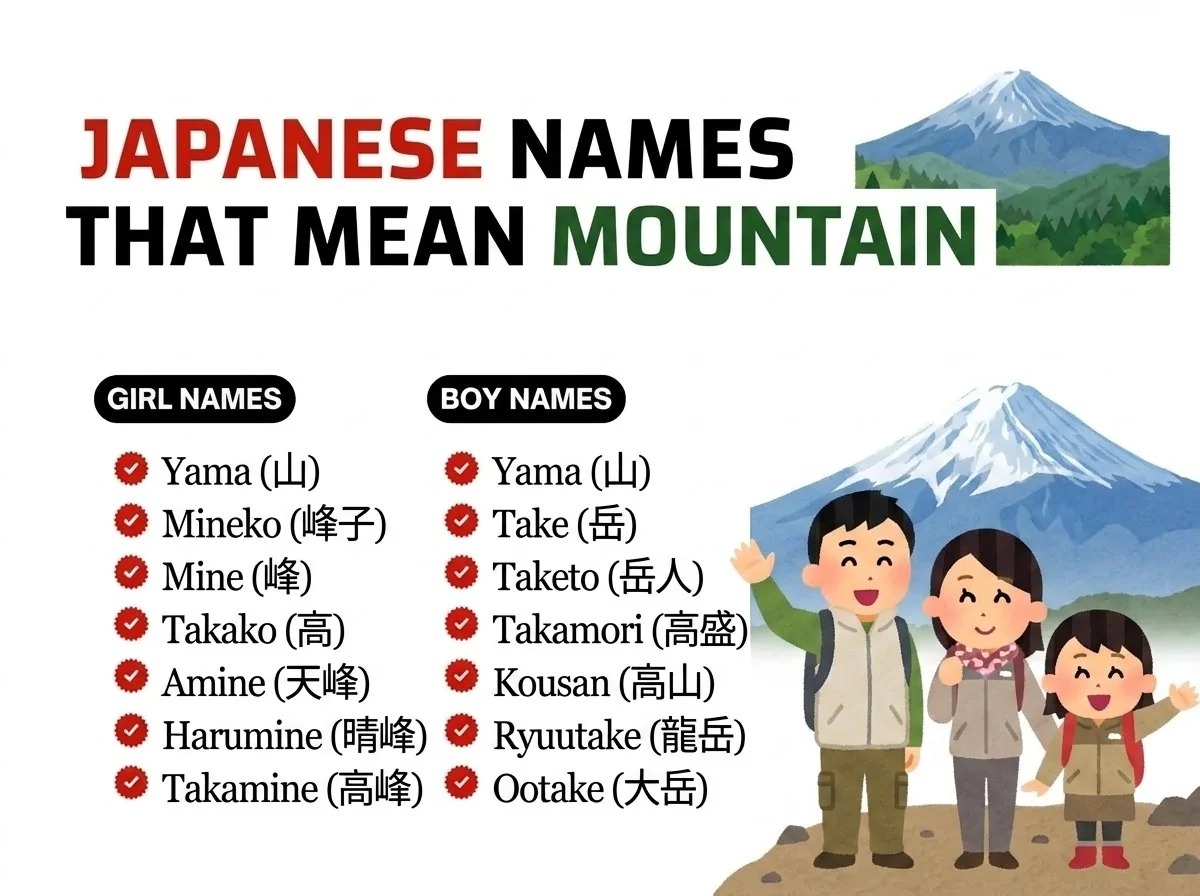
Mountains hold deep spiritual meaning in Japanese culture. From the sacred slopes of Mount Fuji to the misty ridgelines of the Japanese Alps, these towering…
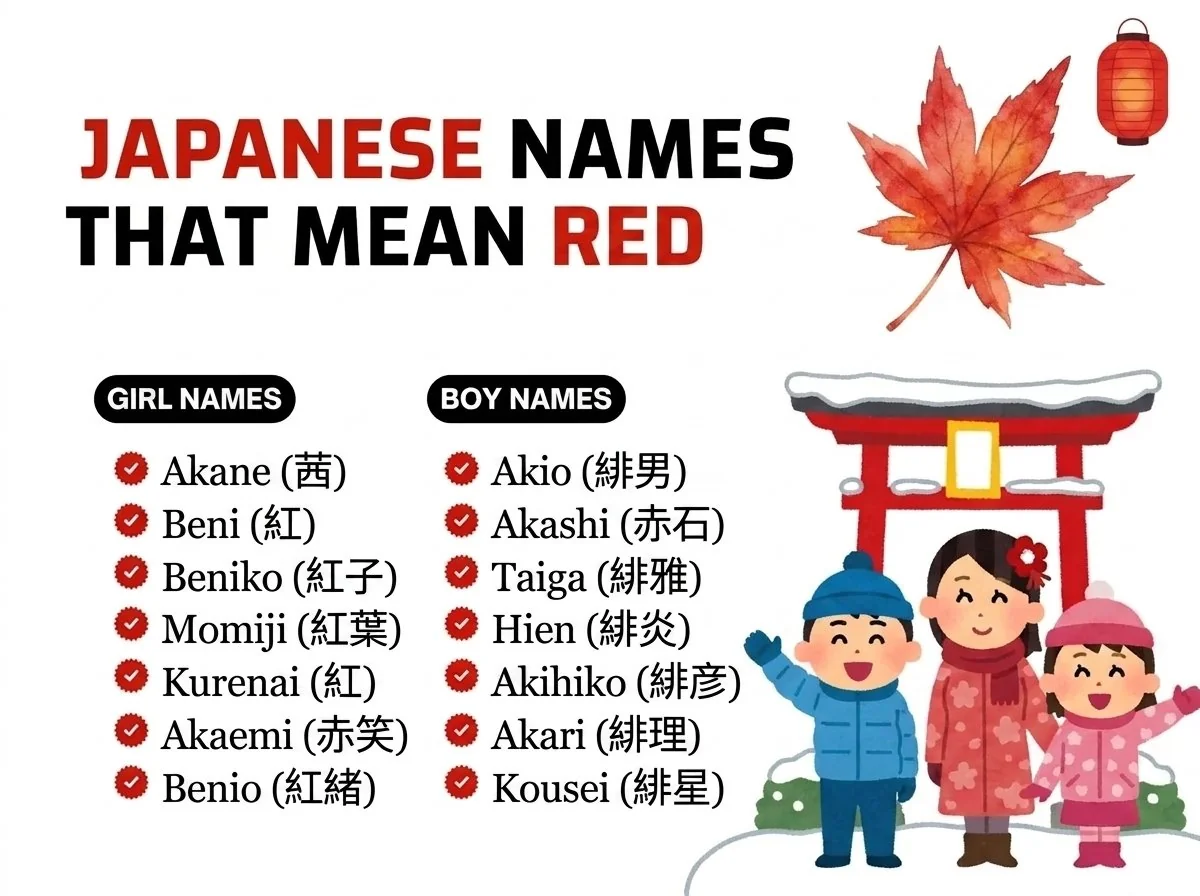
Red holds a special place in Japanese culture. It shows up on torii gates, in festival decorations, and woven into centuries of art and poetry.
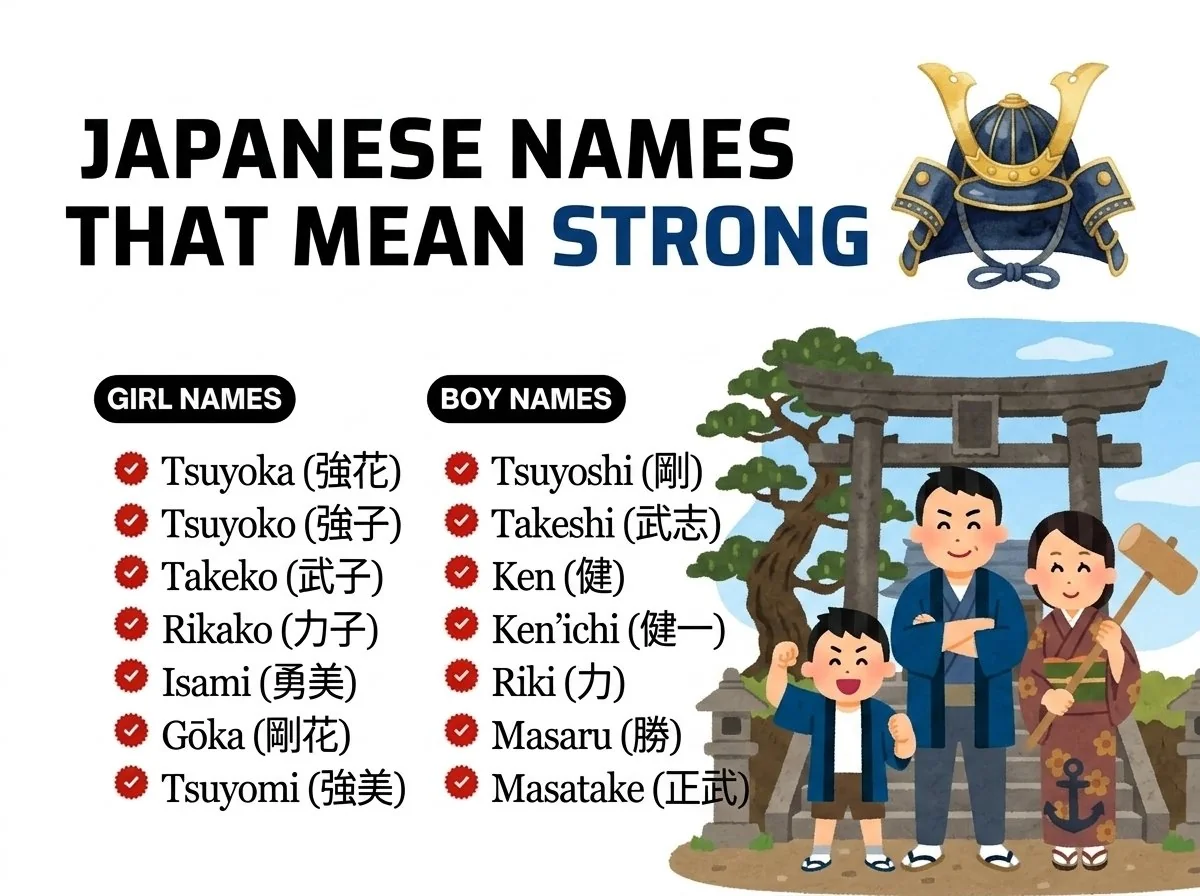
Popular Japanese names meaning strong include Takeshi, Tsuyoshi, and Riki for boys, alongside Rin, Masako, and Takeko for girls.
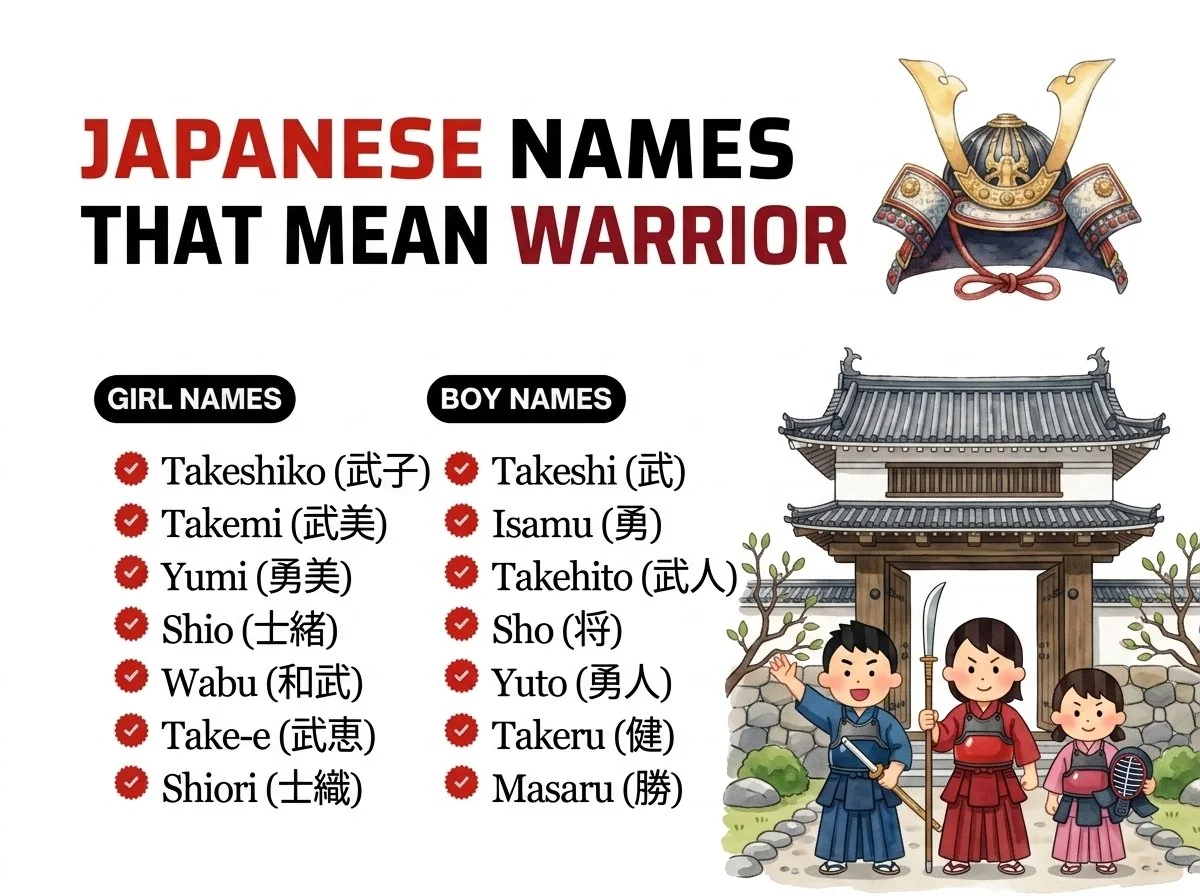
Japanese naming tradition treats the warrior concept with deep reverence.
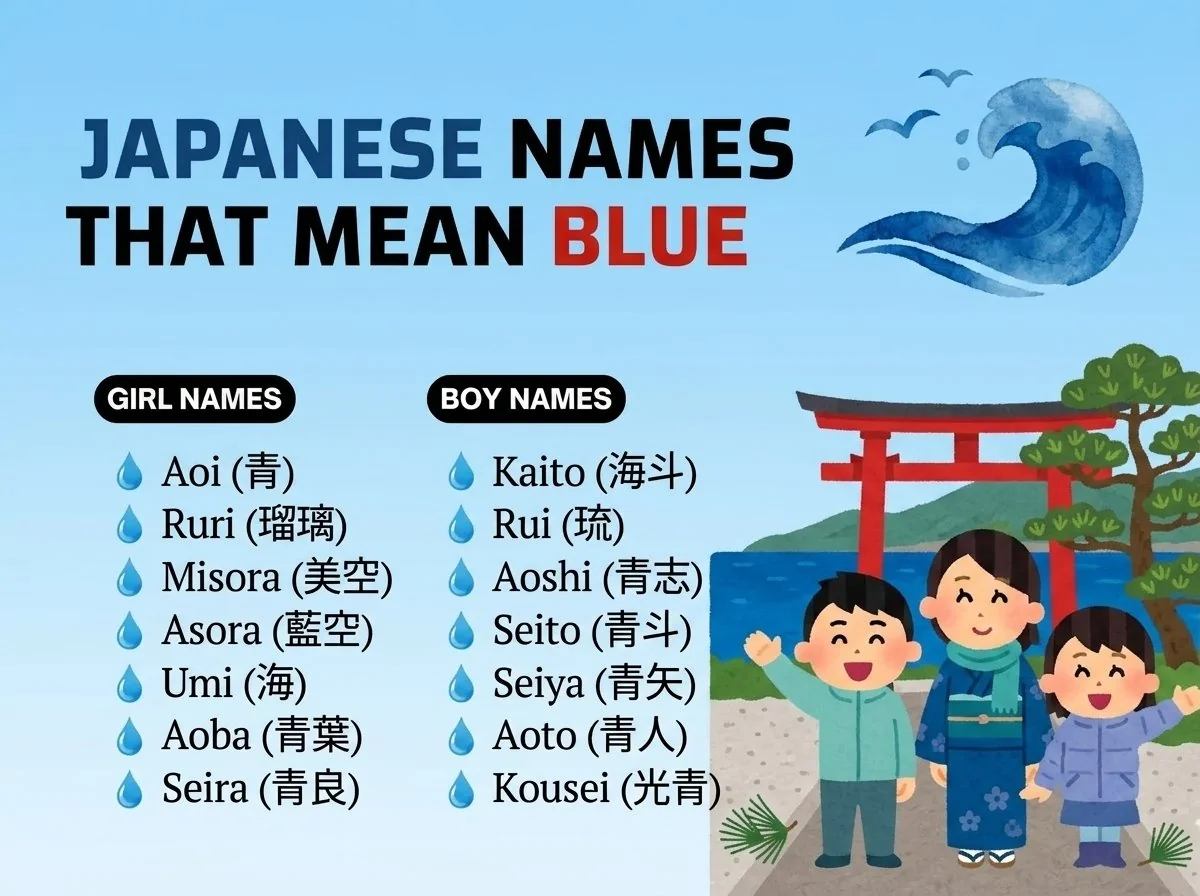
Blue holds a special place in Japanese culture. The traditional Japanese word "ao" once covered the entire spectrum from green to blue, which is why you…
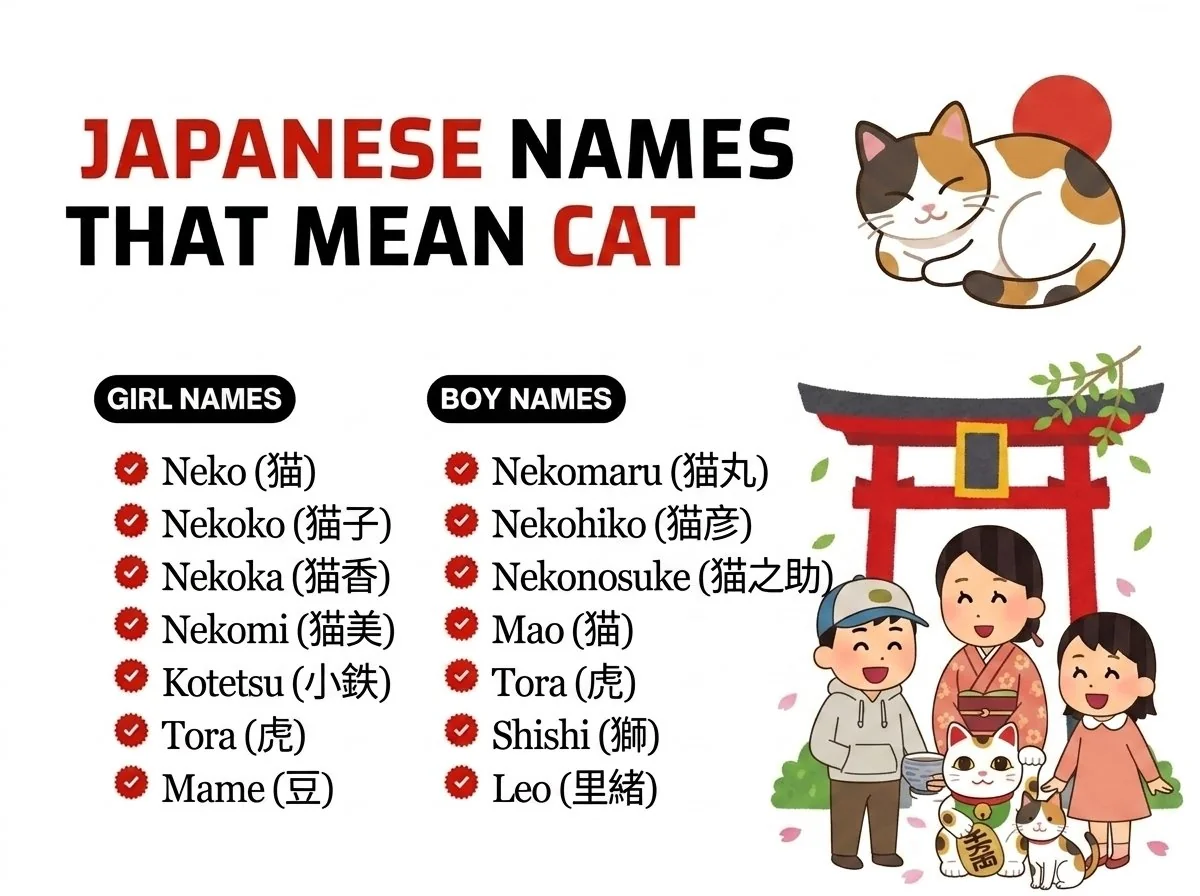
Cats hold a special place in Japanese culture. From the beckoning maneki-neko in shop windows to the legendary bakeneko of folklore, felines have shaped…
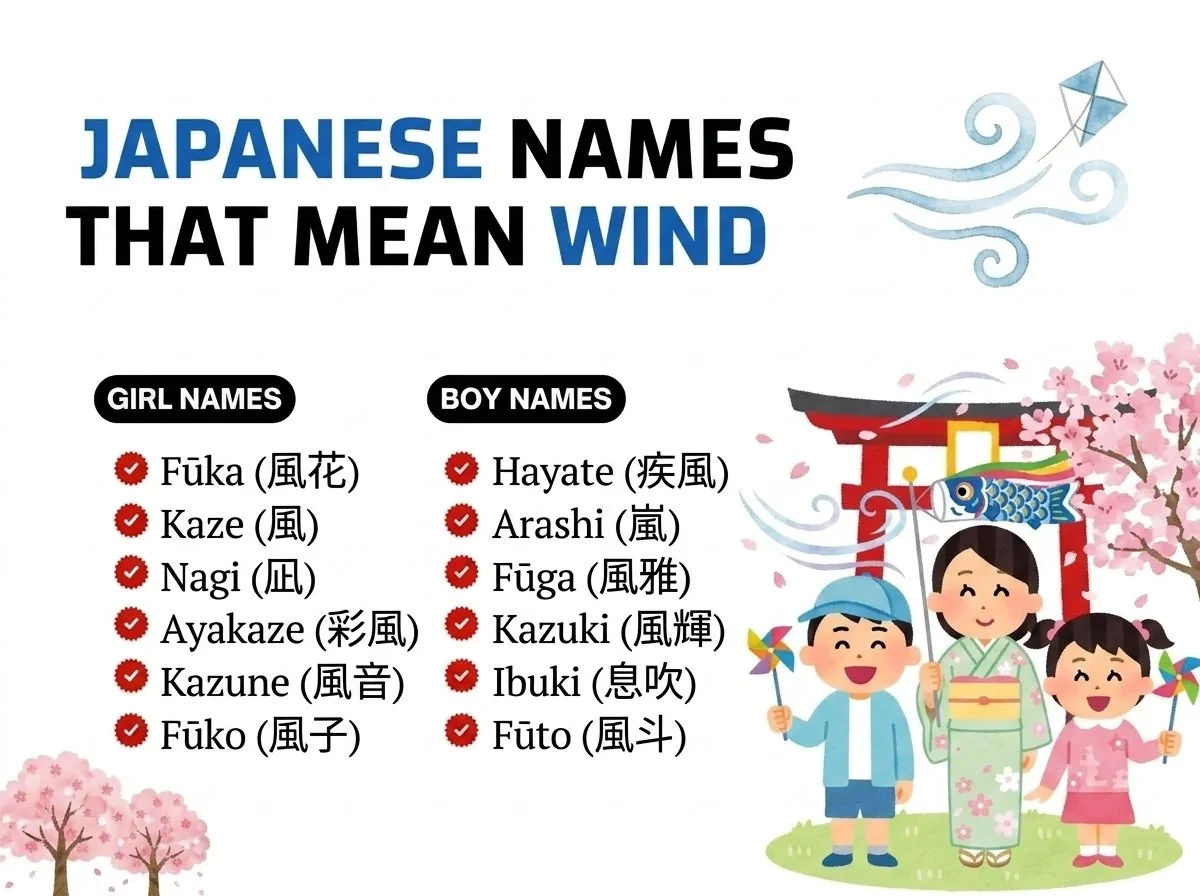
Wind holds a special place in Japanese culture. It shows up in poetry, seasonal traditions, and the very structure of the Japanese language.
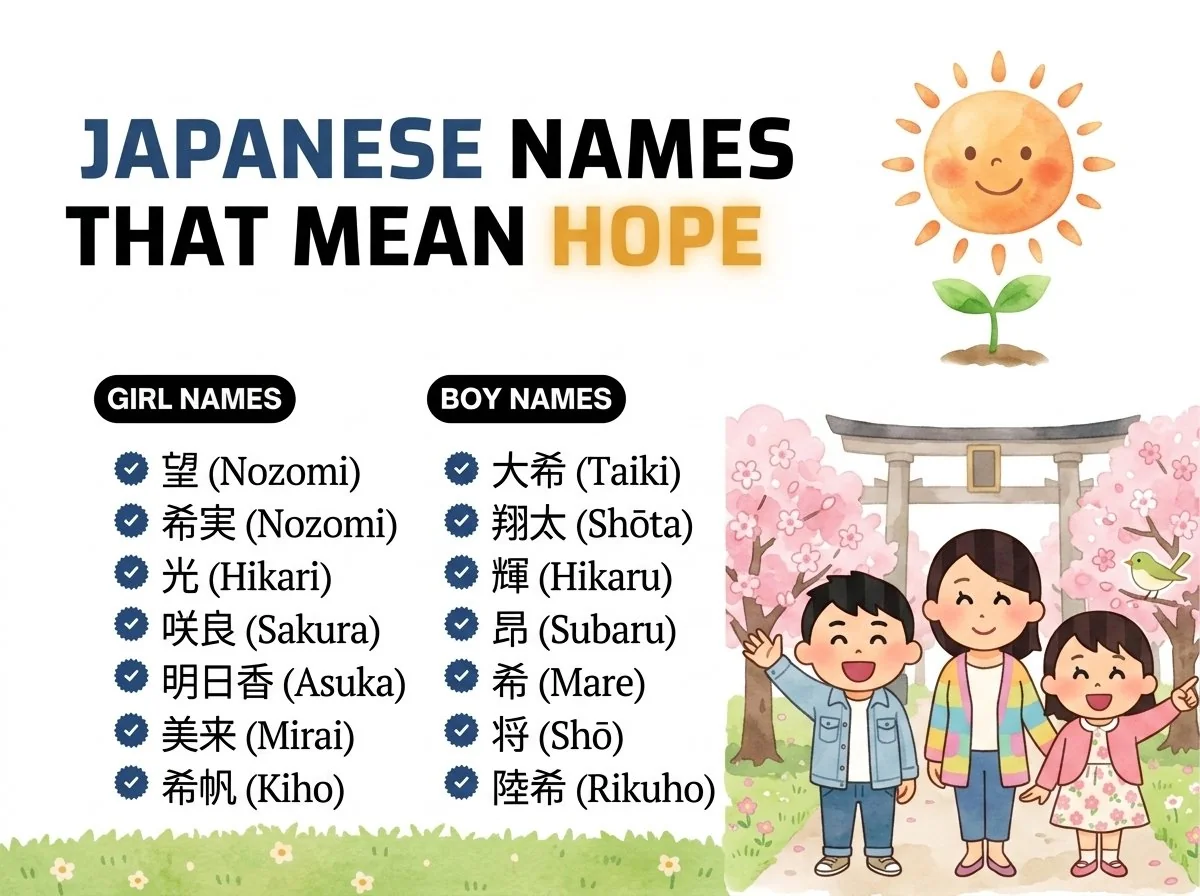
In Japanese naming tradition, hope carries a quiet kind of strength.
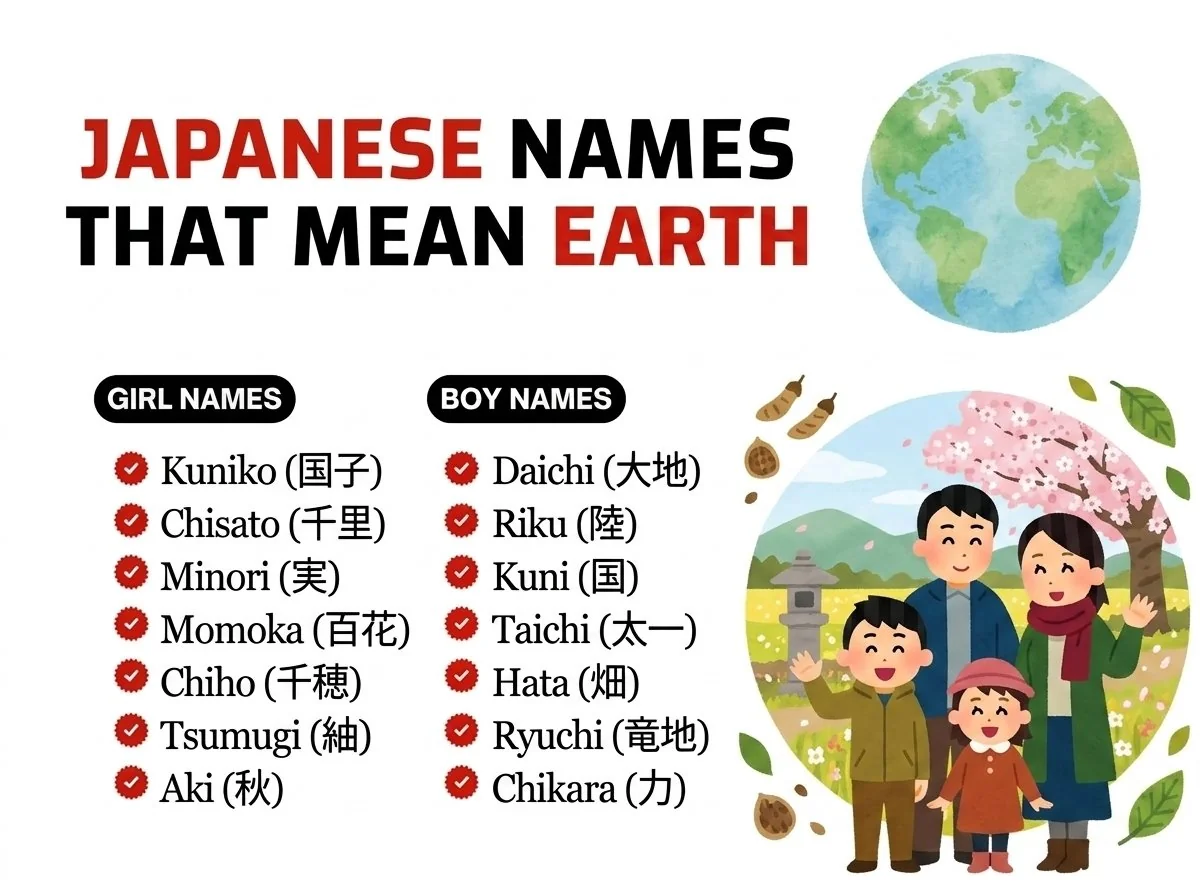
Earth holds a quiet power in Japanese naming tradition. The kanji 地 (chi) and 土 (do) carry connotations of stability, rootedness, and connection to the…
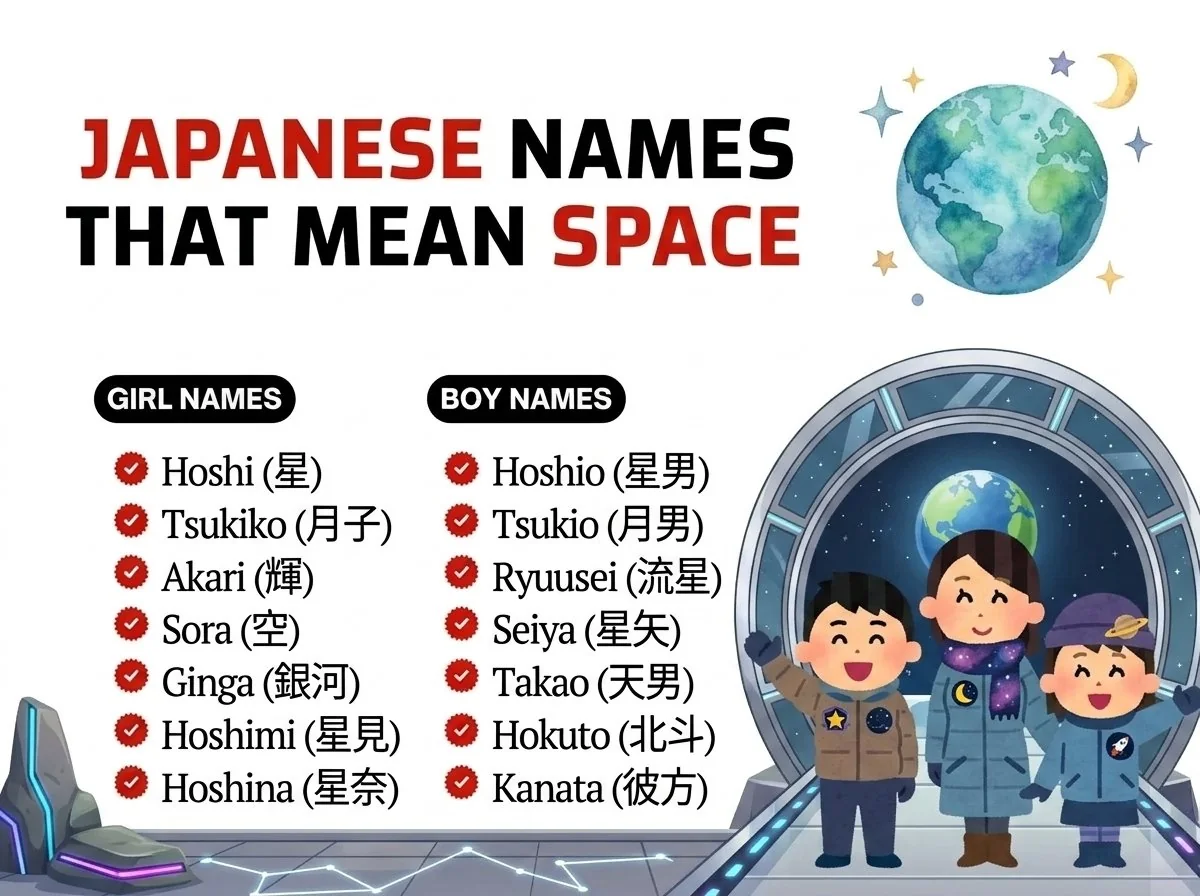
Space holds a special place in Japanese culture. Long before modern astronomy, Japanese mythology described the cosmos as a vast, layered expanse stretching…